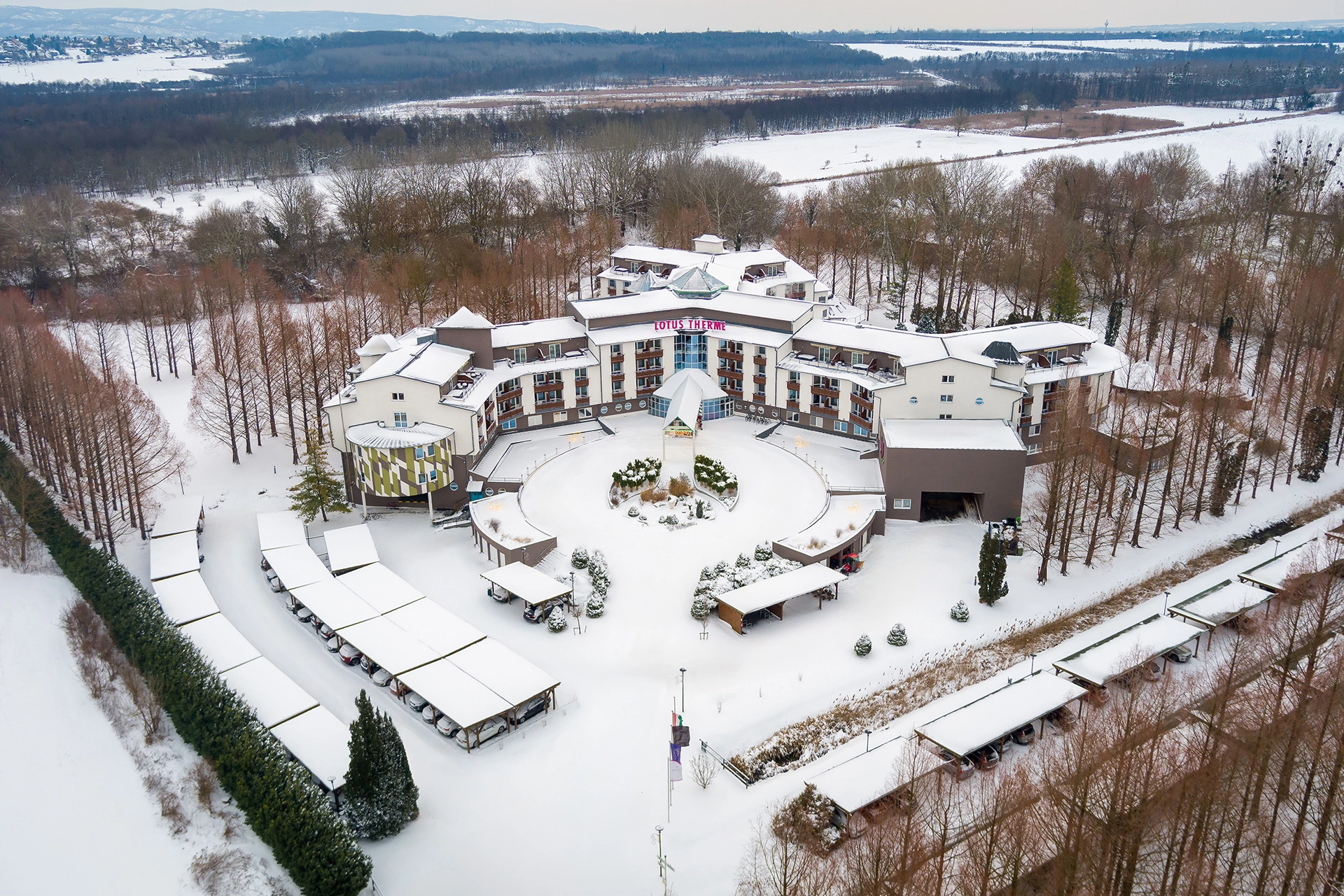
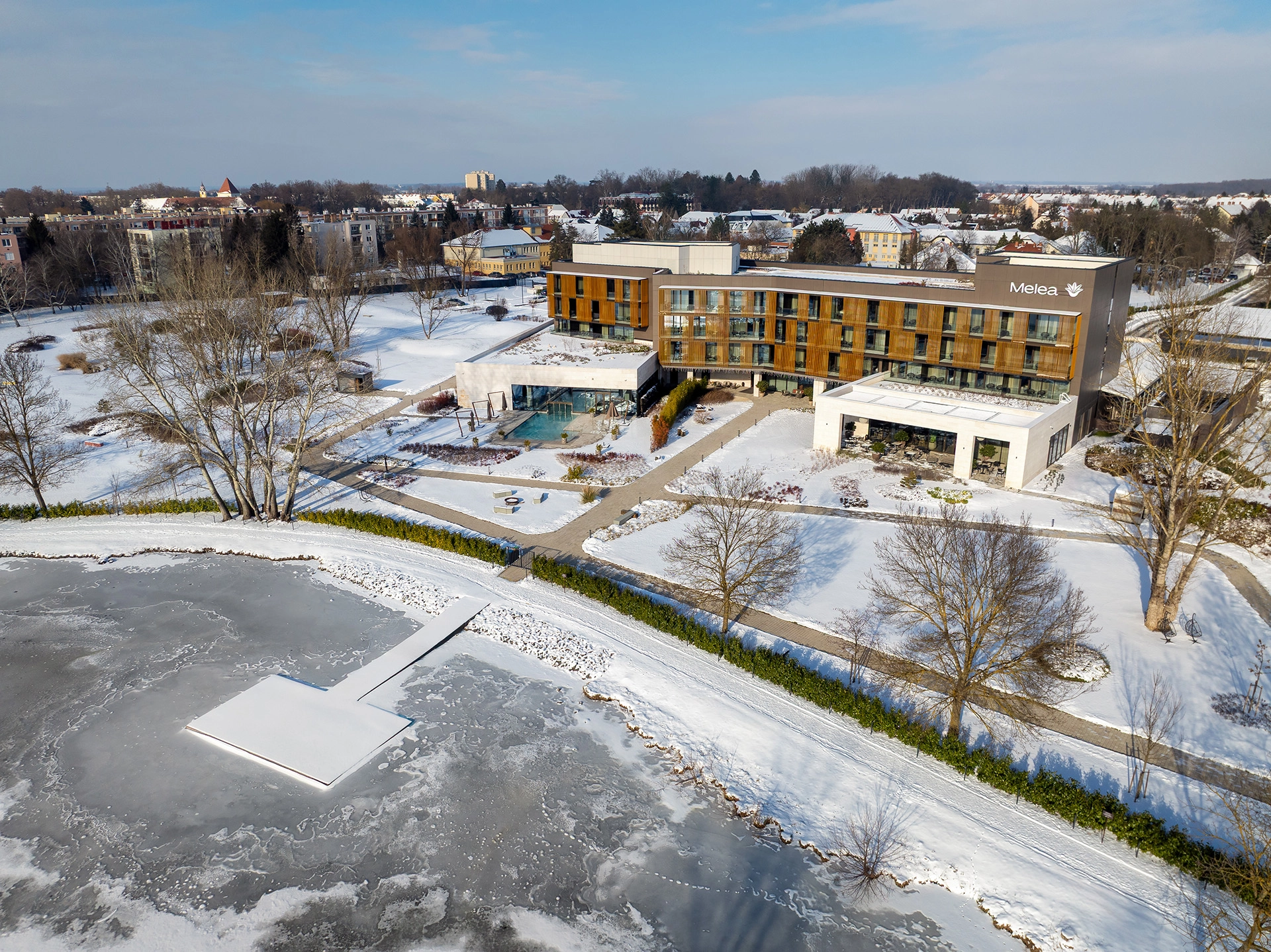
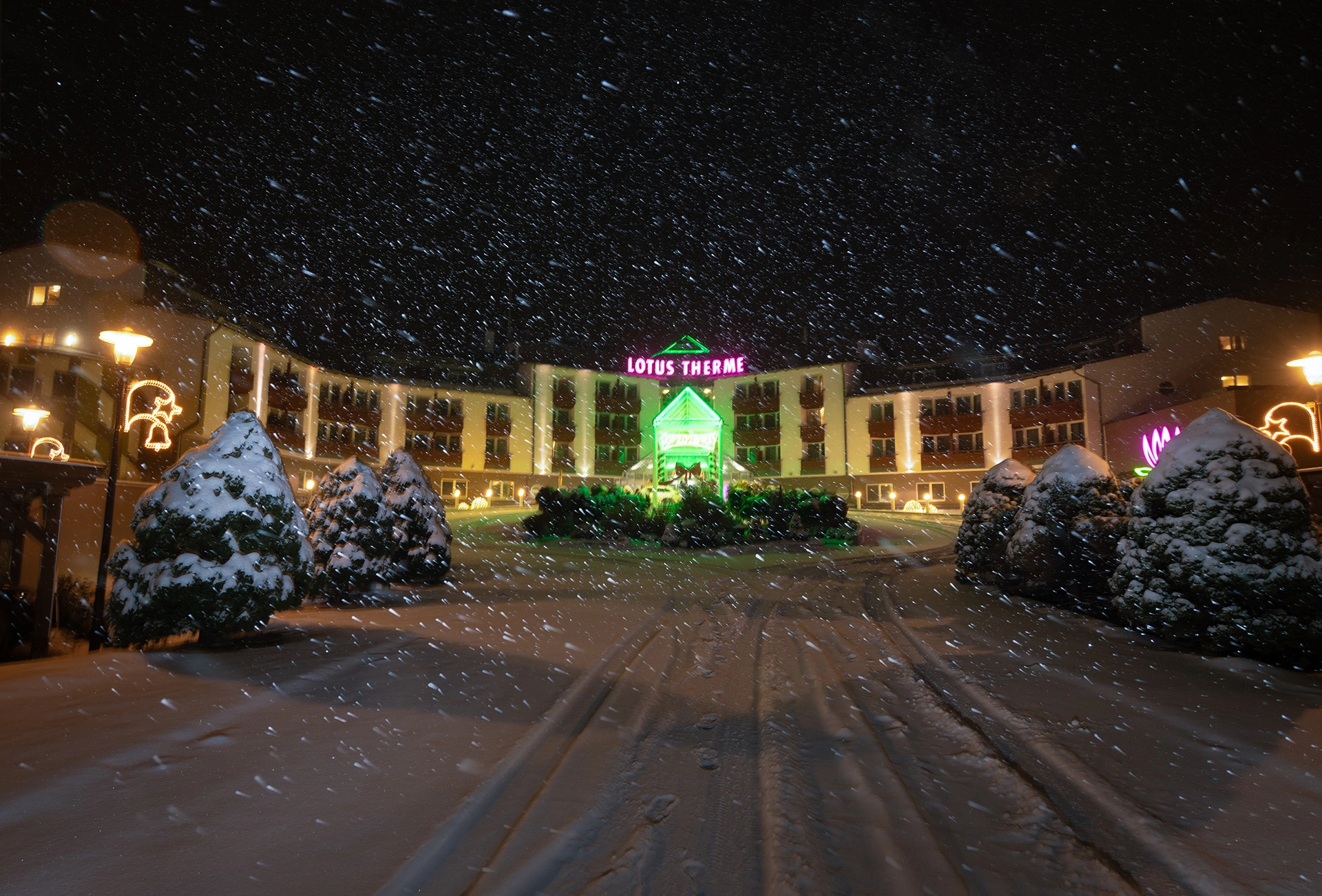
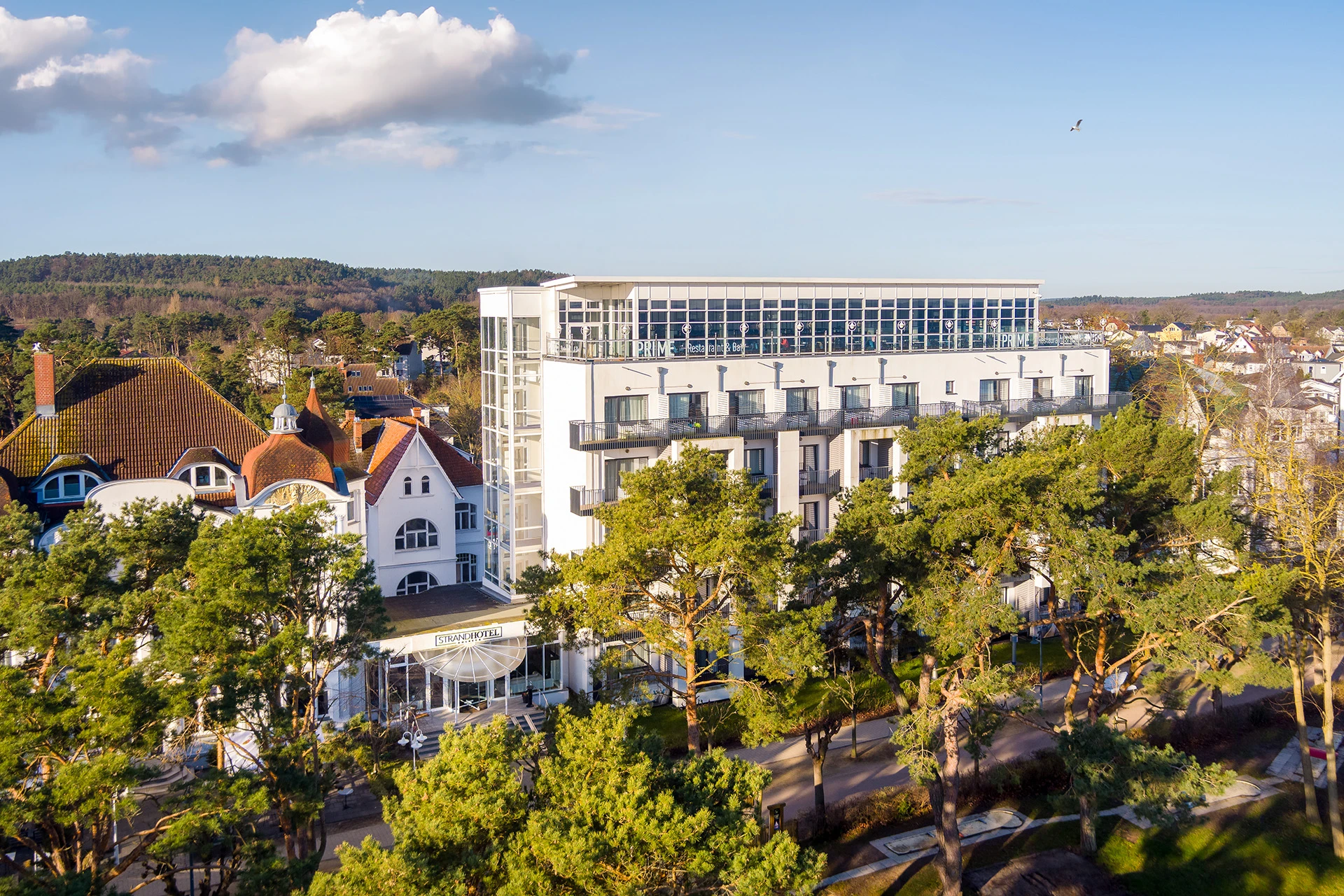
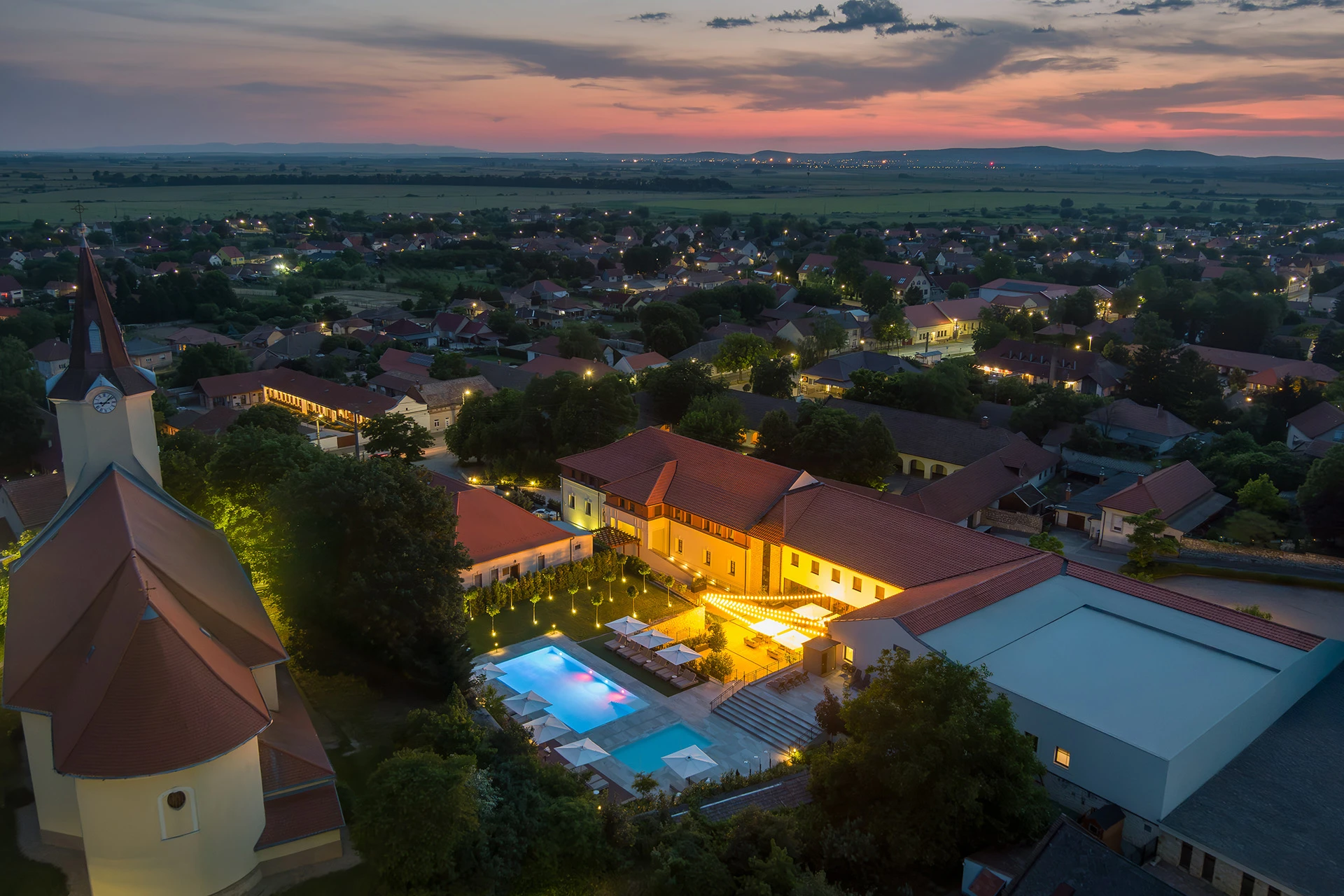
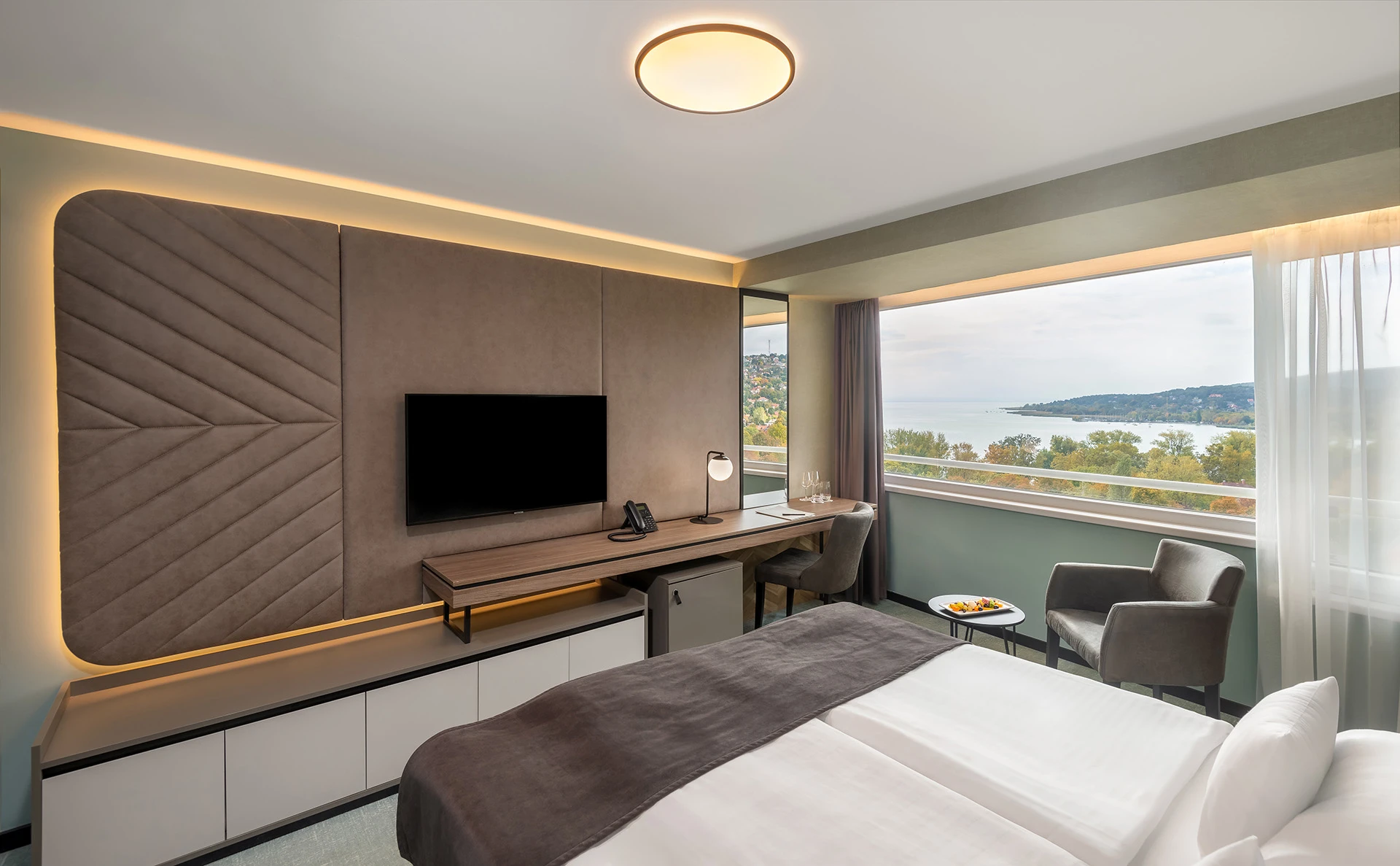
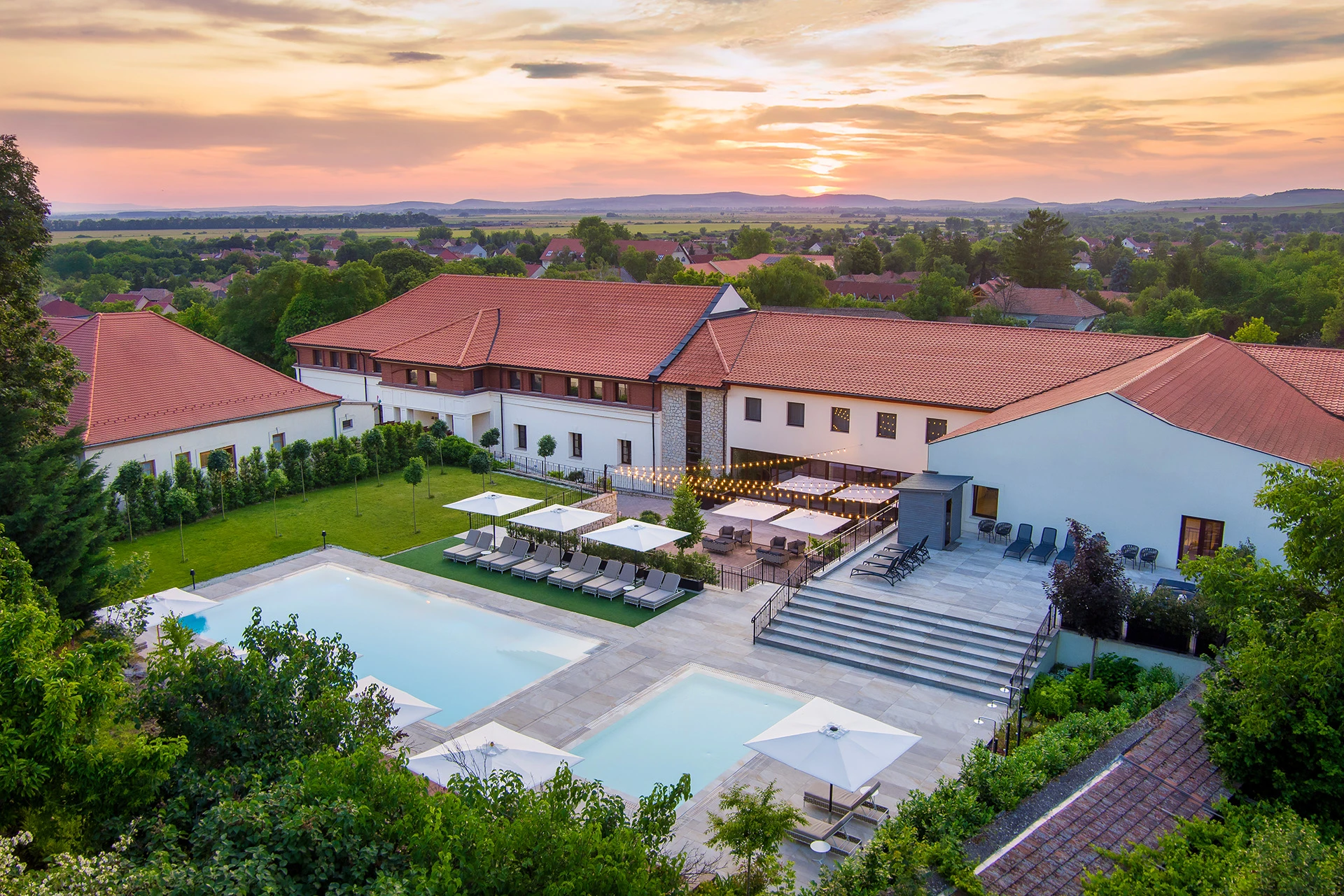
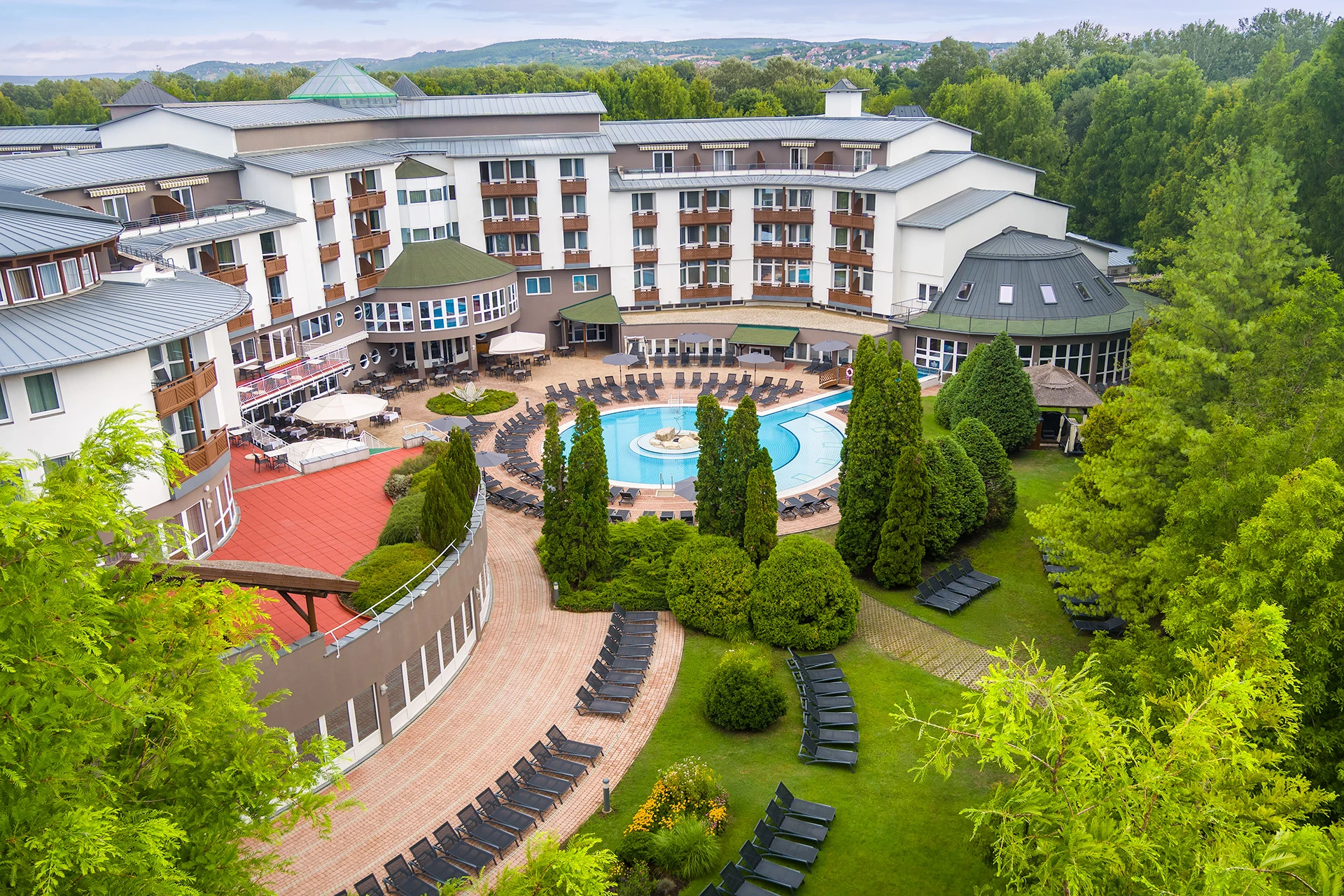
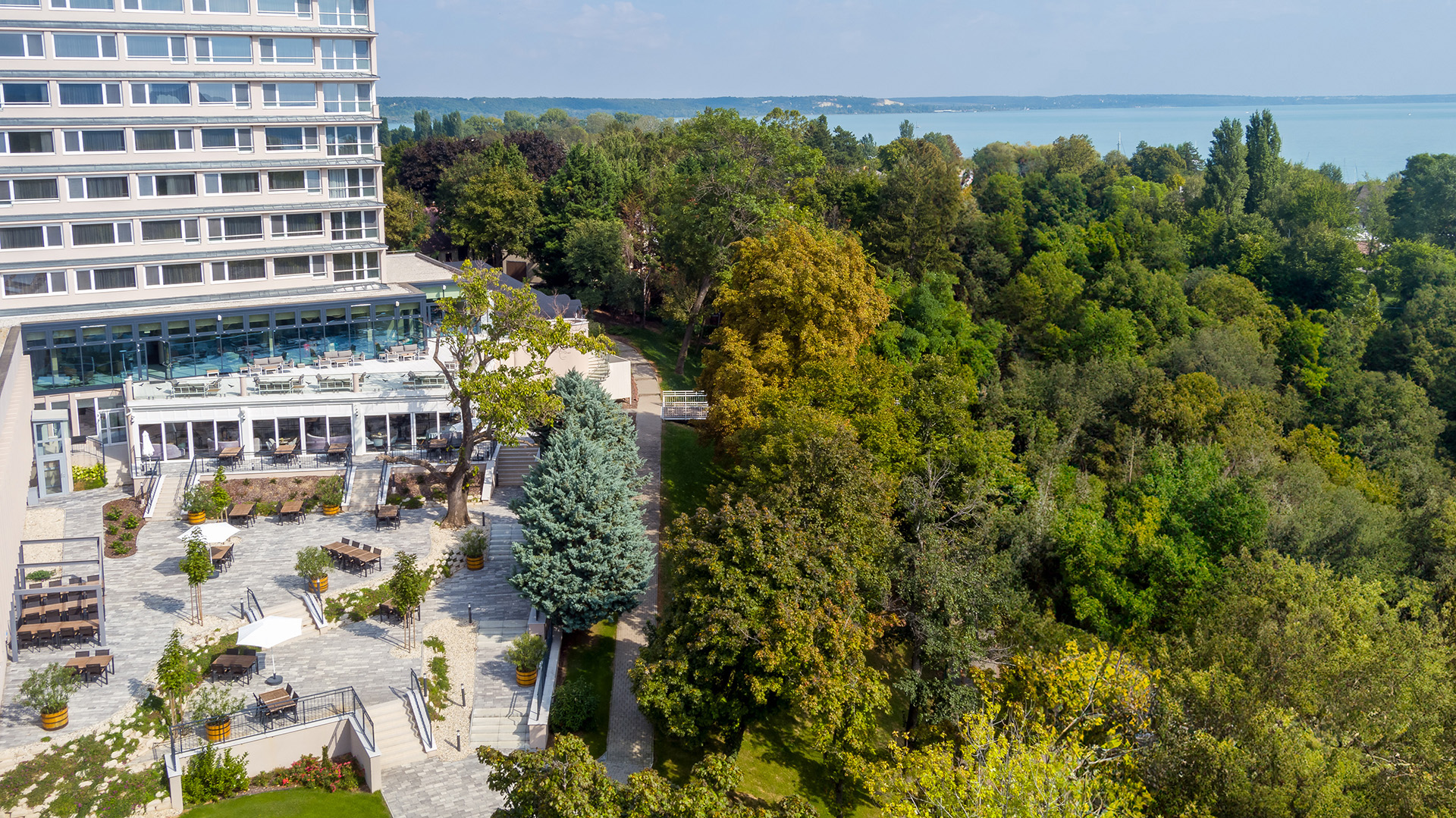
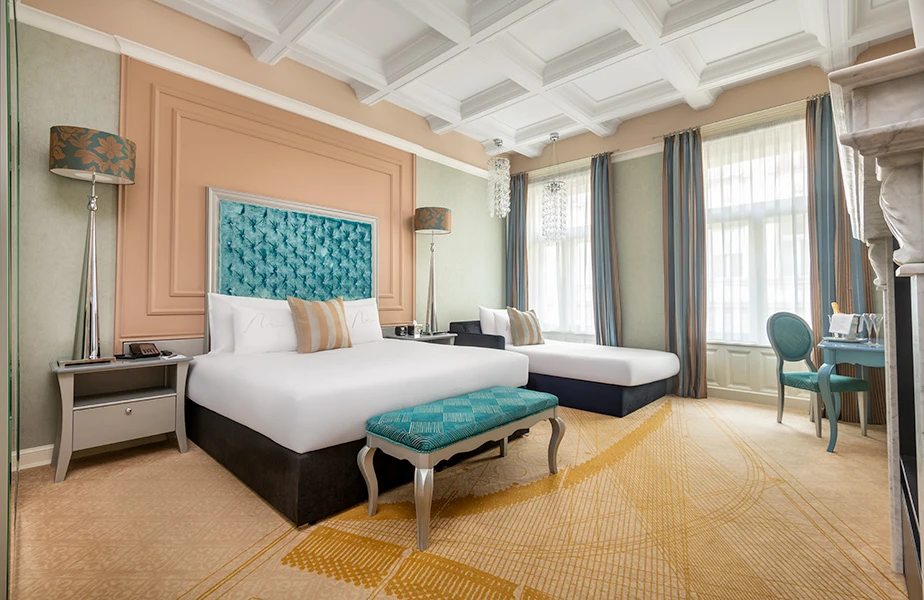
Most of my work in Europe is straightforward in one sense: I am hired to photograph a hotel, and the hotel itself is the main product. The brief usually focuses on rooms, public spaces, spa areas, restaurants, exterior views, and the details that help a property present itself clearly and commercially.
The Gili Islands are different.
On this recent trip, I was working on Gili Air, after having photographed Gili Trawangan and Gili Meno around five years earlier. Returning to the Gilis reminded me of something that used to be normal for me when I worked more regularly in Southeast Asia: sometimes the most important thing you are really selling is not the hotel itself, but the experience of being there.
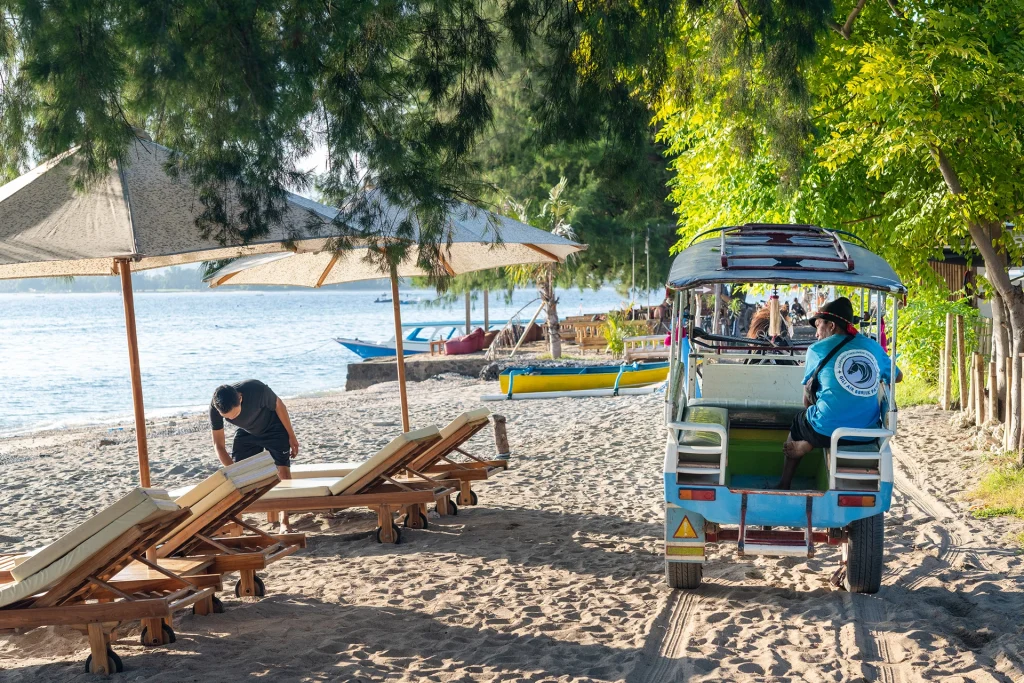
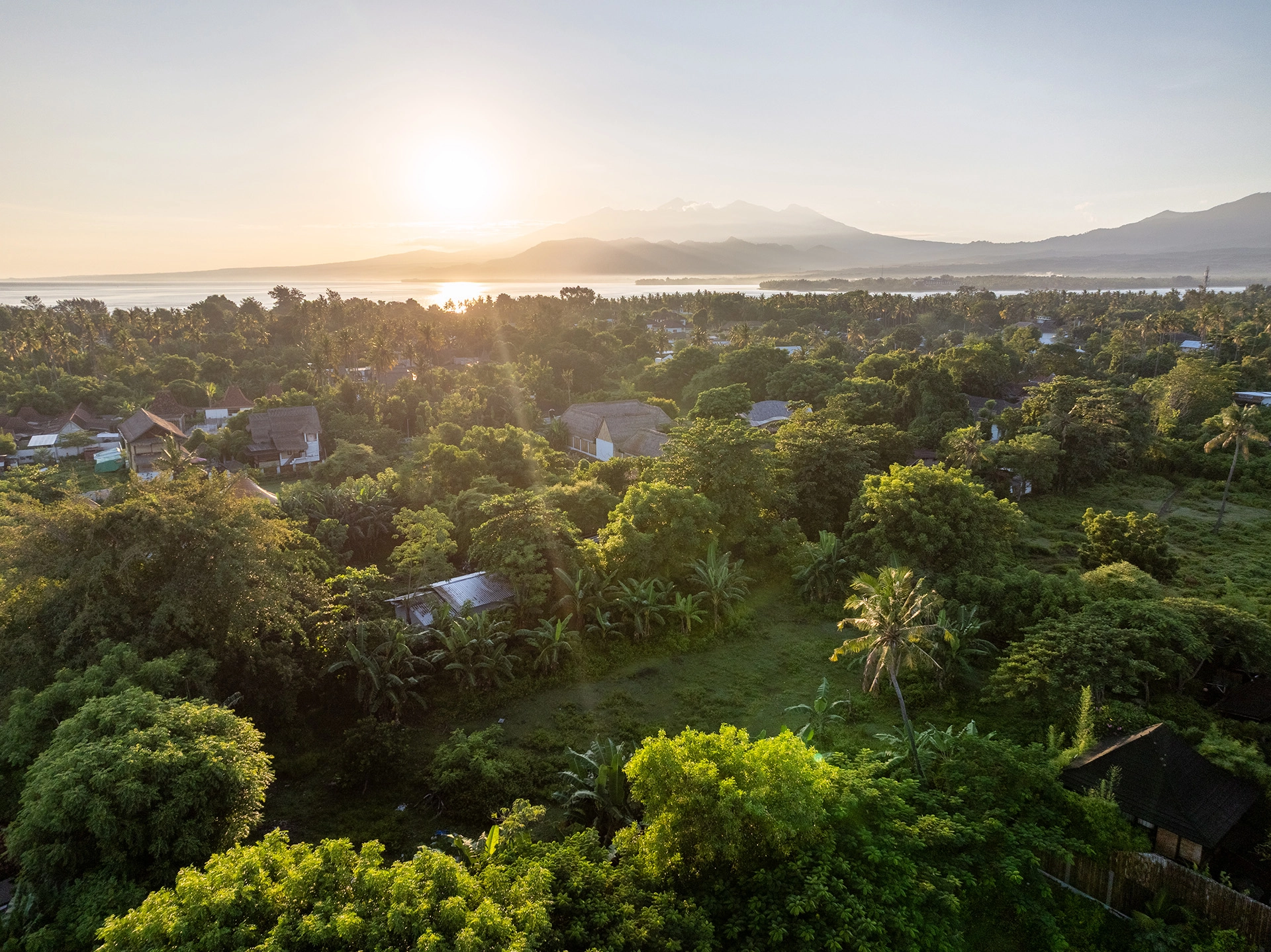
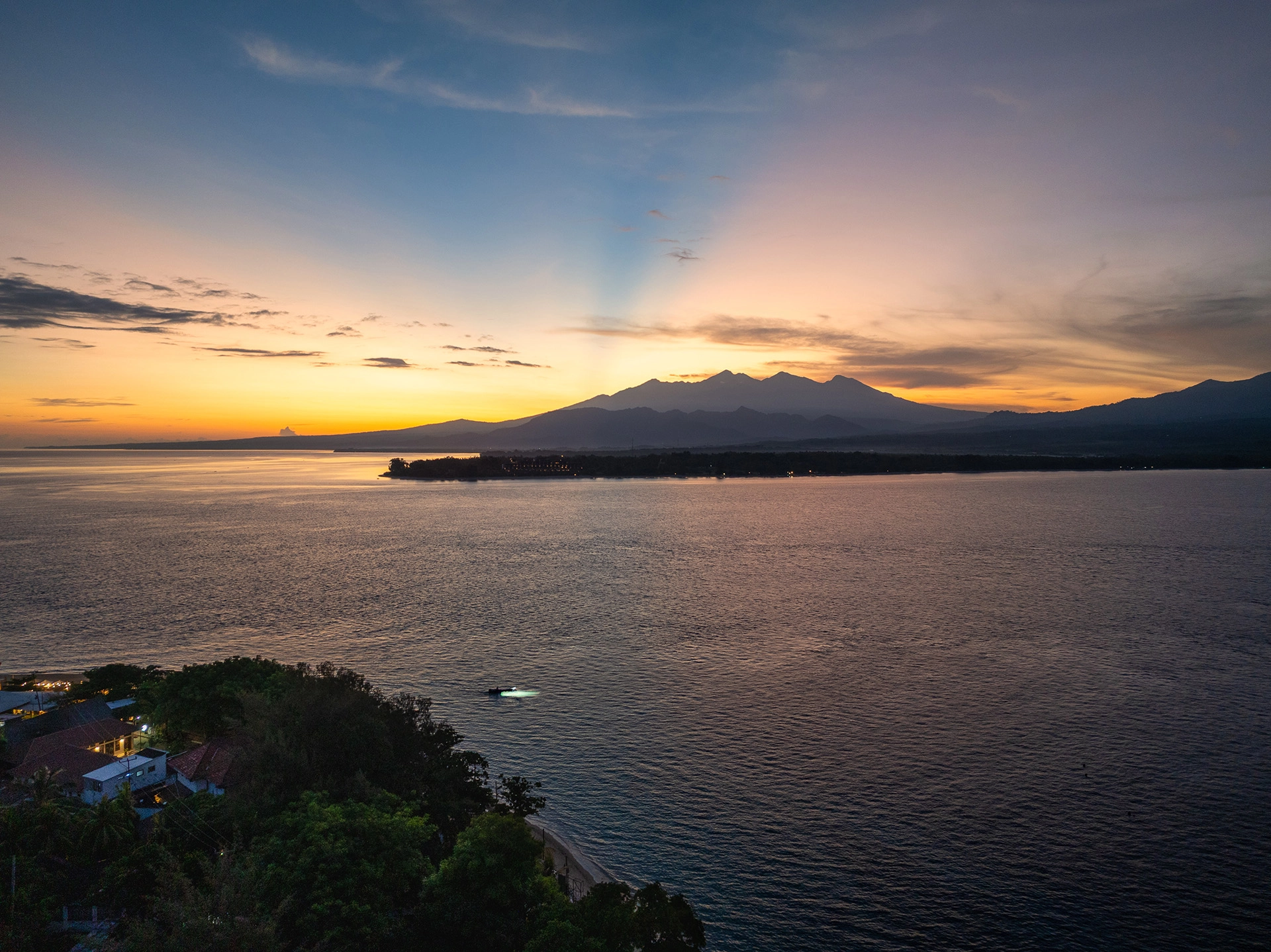
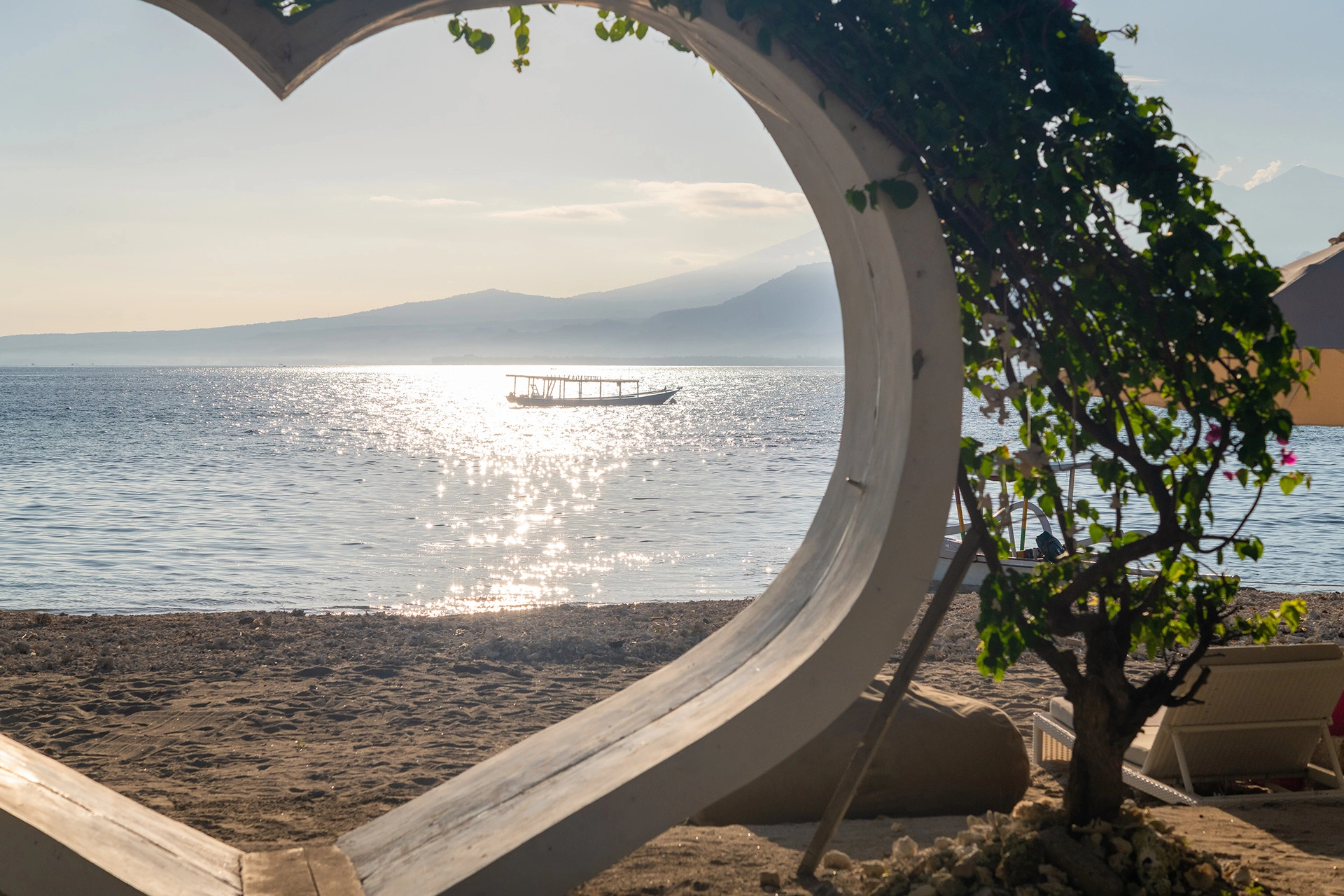
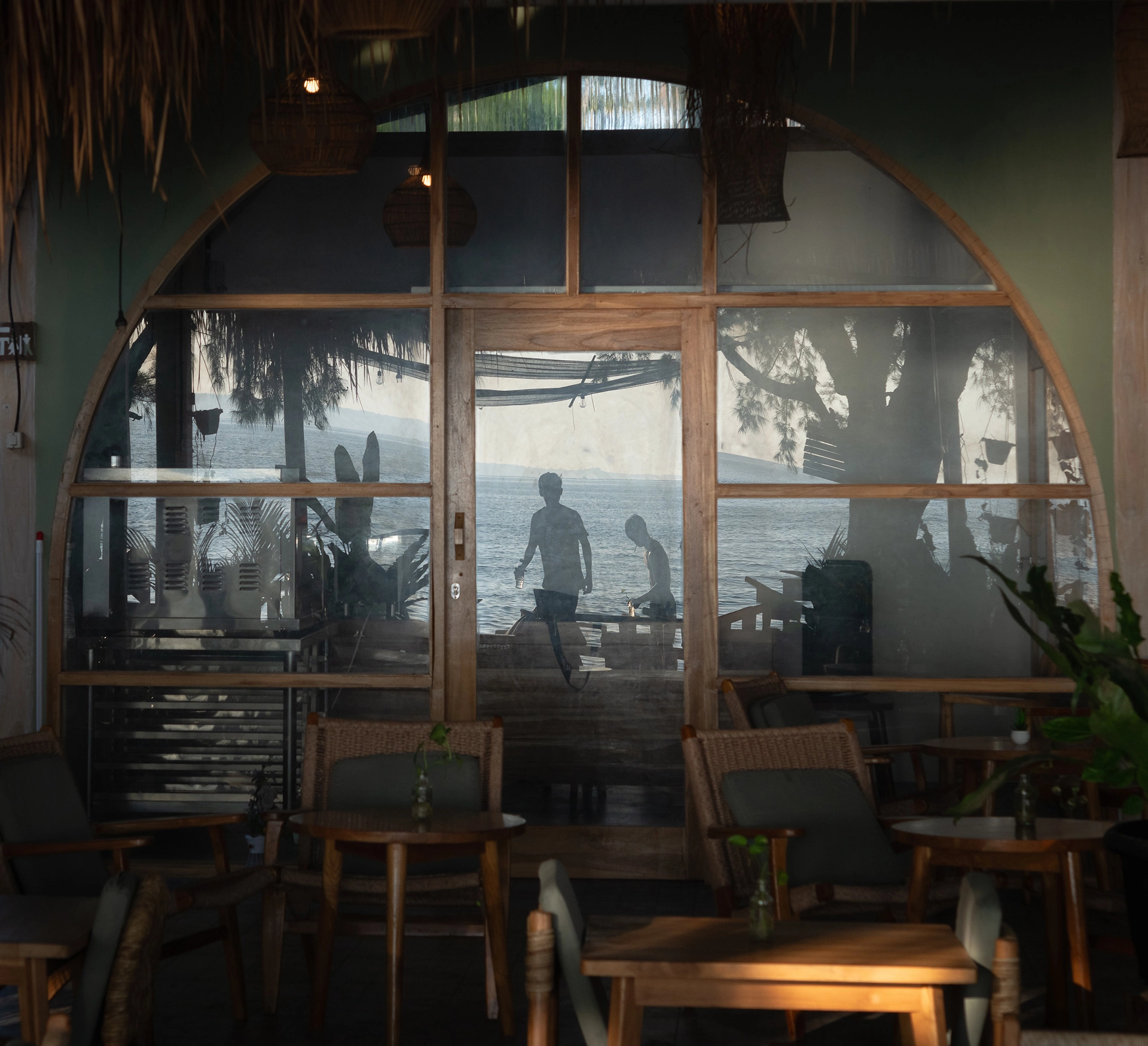
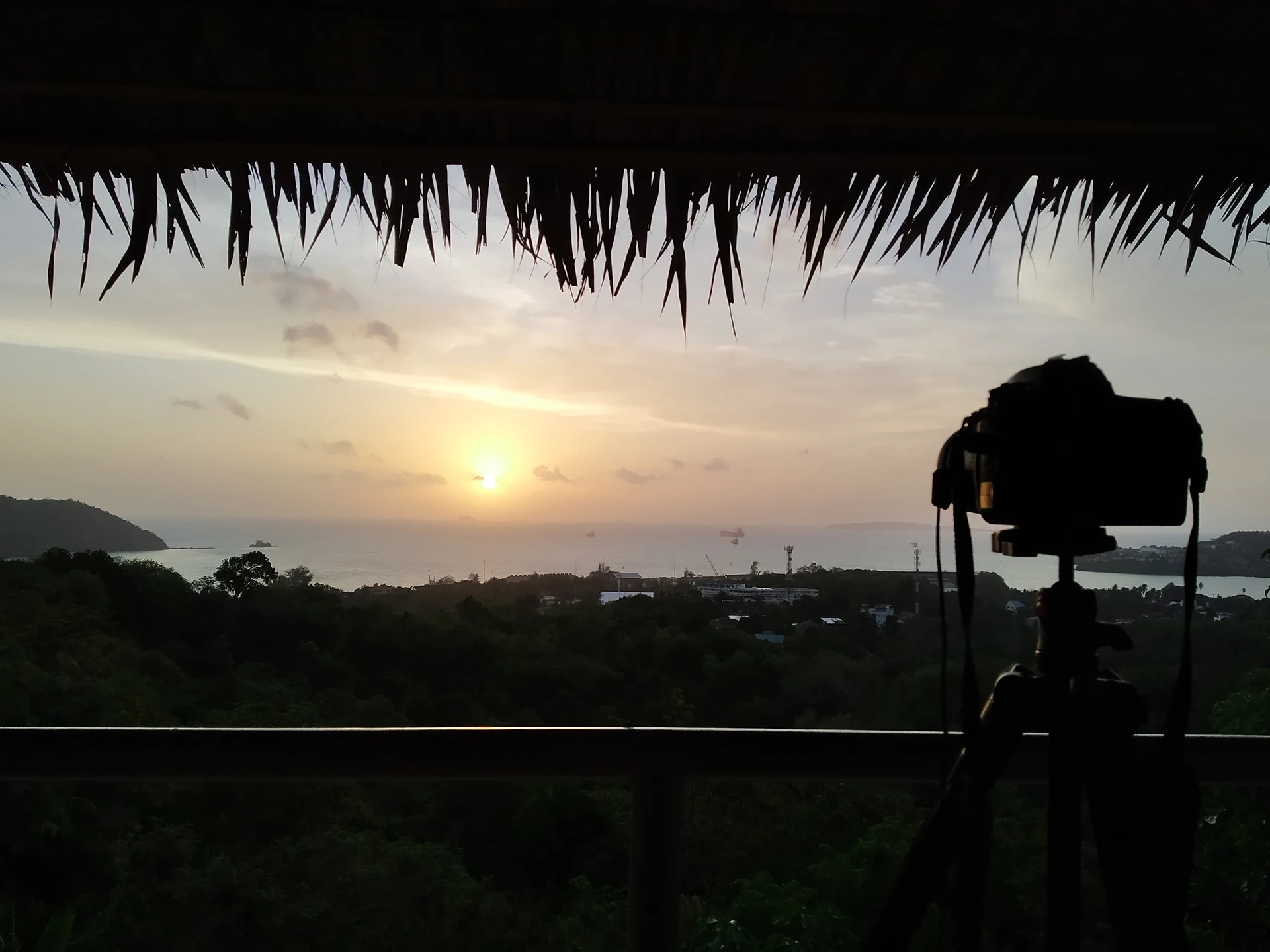
In many European projects, the environment around the property is helpful, but secondary. In destinations like the Gili Islands, the environment is often inseparable from the decision to book. Guests are not only choosing a room. They are choosing the pace of island life, the sea, the shoreline, the boats, the sunsets, the early morning light, and the underwater world just offshore.
In that kind of setting, photographing only the property would tell only part of the story.
This is one of the interesting differences between commercial hotel photography in Europe and in Southeast Asia.
In Europe, the job is often to communicate structure, quality, design, and amenities with precision. There is usually less room — and less need — to drift too far into broader destination storytelling. The property needs to stand clearly on its own.
On Gili Air, the surrounding environment carries much more weight. The guest experience begins before check-in and continues well beyond the hotel’s walls. The island itself becomes part of the offer.
That changes the visual priorities.
Instead of asking only, “What does the hotel look like?”, the more useful question becomes:
“What does it feel like to stay here?”
That means making space for images that show context:
These are not distractions from the commercial story. In this case, they are the commercial story.
Coming back after five years was especially interesting for me.
I had already worked in Southeast Asia earlier in my hotel photography career, so none of this was completely new. But returning with more experience changes the way you see things. You become more selective. You understand better what is useful for a client, what is only visually pleasant, and what actually helps sell a destination.
Earlier in my career, photographing the wider environment was something I did regularly in this region. This trip reminded me why. It also showed me how much more consciously I approach it now.
There is a difference between making a few attractive travel pictures and building a visual set that supports hospitality marketing.
The aim is more than just looking good; it’s about being meaningful.
The Gili Islands are a good example of where hospitality photography overlaps with destination storytelling.
A hotel image should showcase more than just a room, terrace, or pool, especially for an island destination. It needs to capture the atmosphere, provide context, and demonstrate the experience.
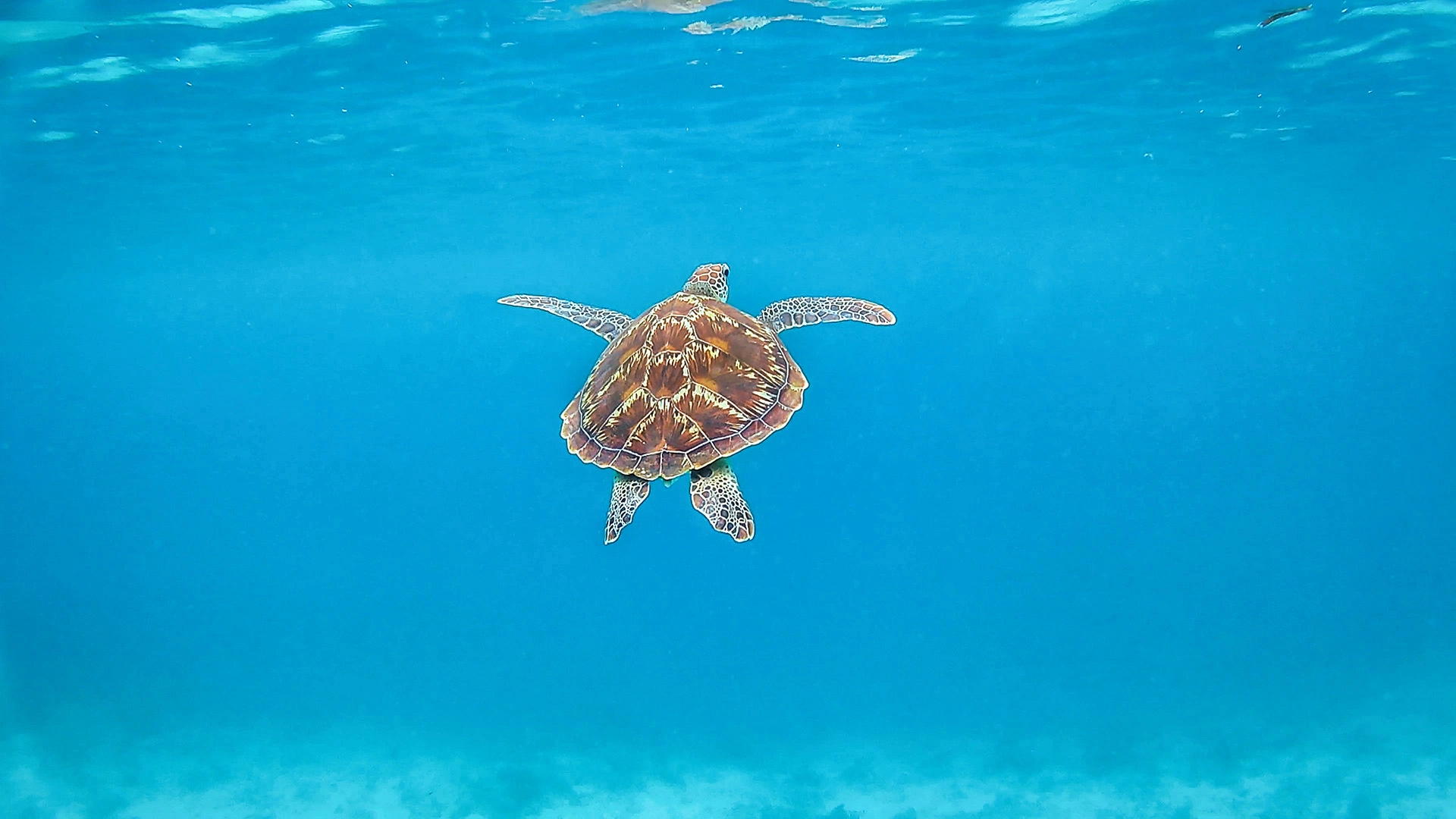
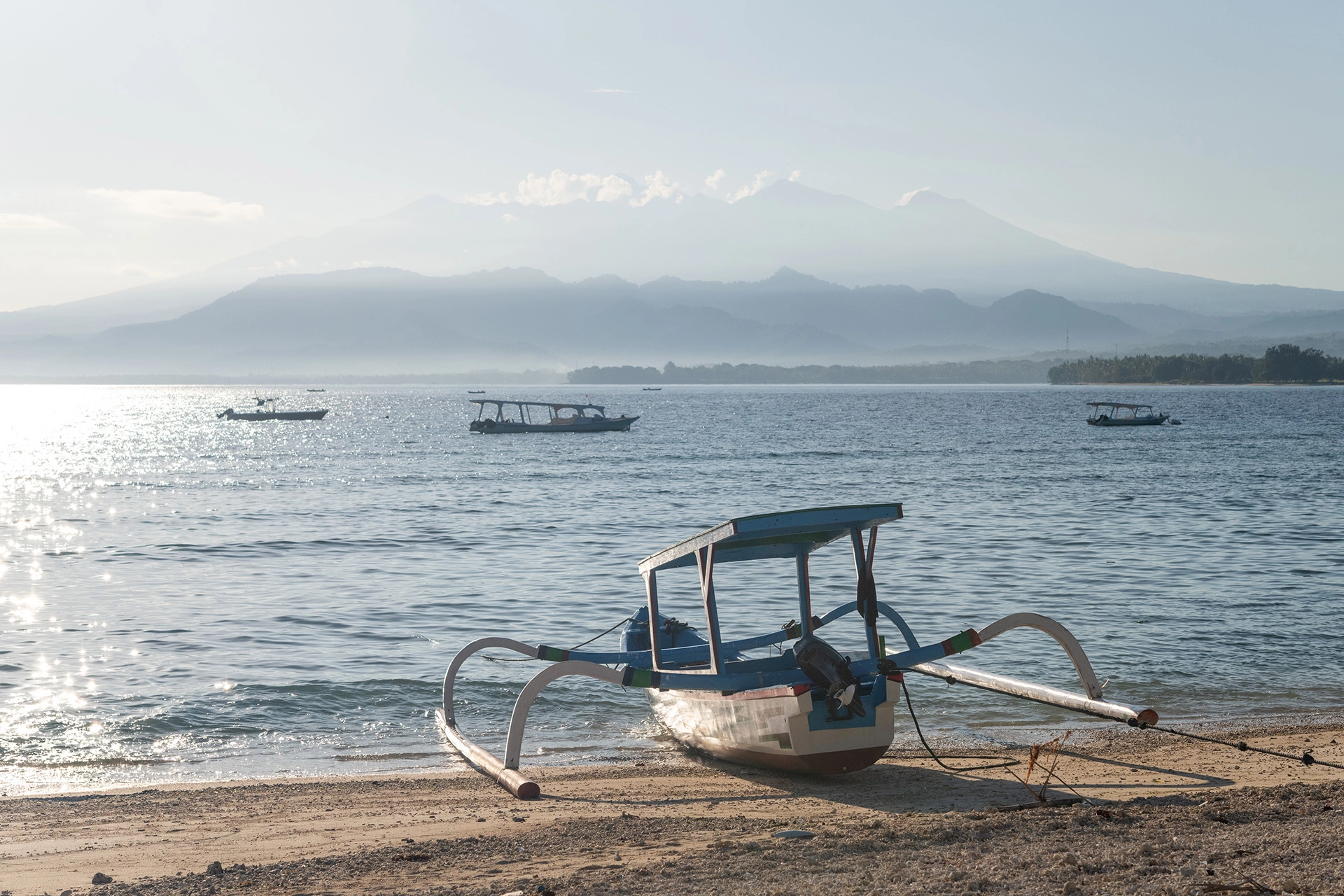
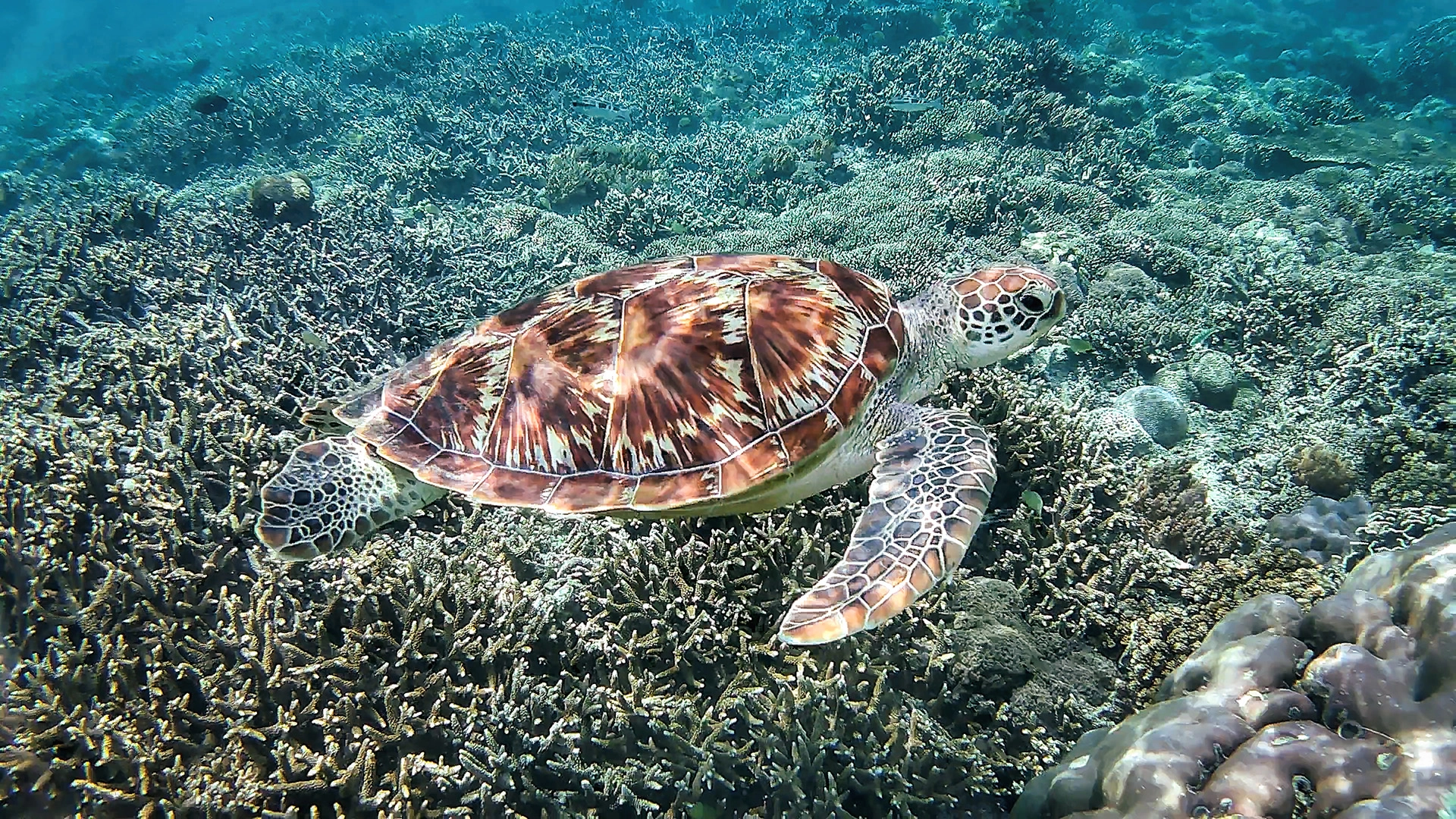
A tranquil beach with local boats, a broad sunset coast, and a turtle over coral each send important messages.
None of these images may show a room or a restaurant, but all of them answer the same commercial question:
Why would I want to stay here?
I believe these projects are important because they show that hospitality photography isn’t just about highlighting the asset but about placing it in the right context.
This is also why I rarely work this way in Europe.
In Europe, most of my assignments are more property-led. The surrounding destination certainly matters, but it is usually not the main visual driver. The hotel needs to work harder on its own, and the photography should reflect that.
On the Gili Islands, the balance shifts. The destination itself carries much of the emotional value. The job becomes less about strict property description and more about building a believable, desirable sense of place.
That does not make the work less commercial. It makes it more strategic. You are identifying what the guest is truly buying and ensuring the imagery supports it.
What I enjoyed most about photographing Gili Air was exactly this shift in mindset.
It brought back a mode of working that I used much more often in Southeast Asia: looking beyond the hotel boundaries and treating the broader environment as part of the final visual story.
That approach is less common in my day-to-day commercial work in Europe, but it is a useful reminder that hospitality photography is never only about buildings. The strongest imagery usually connects the property to the experience around it.
And on islands like Gili Air, that wider experience is impossible to ignore.
The sea, the shoreline, the daily rhythm, and the life below the surface are not background elements.
They are part of the product.
Receive the latest photography tips, trends, and exclusive offers straight to your inbox.
All Rights Reserved © 2025 | Zoltan Gali