A comparison of hotel photography in Bali and Europe through architecture, light, atmosphere, and visual storytelling after returning to Southeast Asia with five more years of experience.
Returning to Southeast Asia with five more years of experience
I had worked in Southeast Asia before.
In fact, some of my early hotel photography experience came from this part of the world, including Bali. At the time, I was still at the beginning of my hospitality photography career. I was learning quickly, responding to situations as they arose, and building my understanding of what makes a hotel image work.
Returning five years later felt very different.
The locations were familiar, but I was not the same photographer. My equipment and workflow had changed, and, more importantly, my understanding of the craft had become much broader.
That contrast became one of the most interesting parts of the trip.
The same place, seen differently
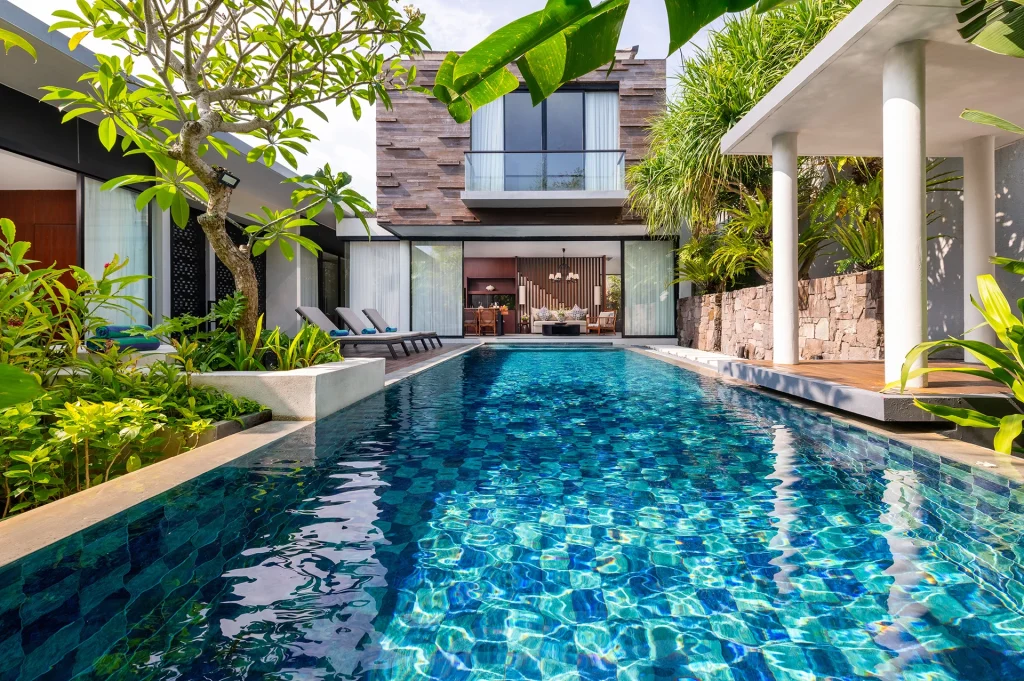
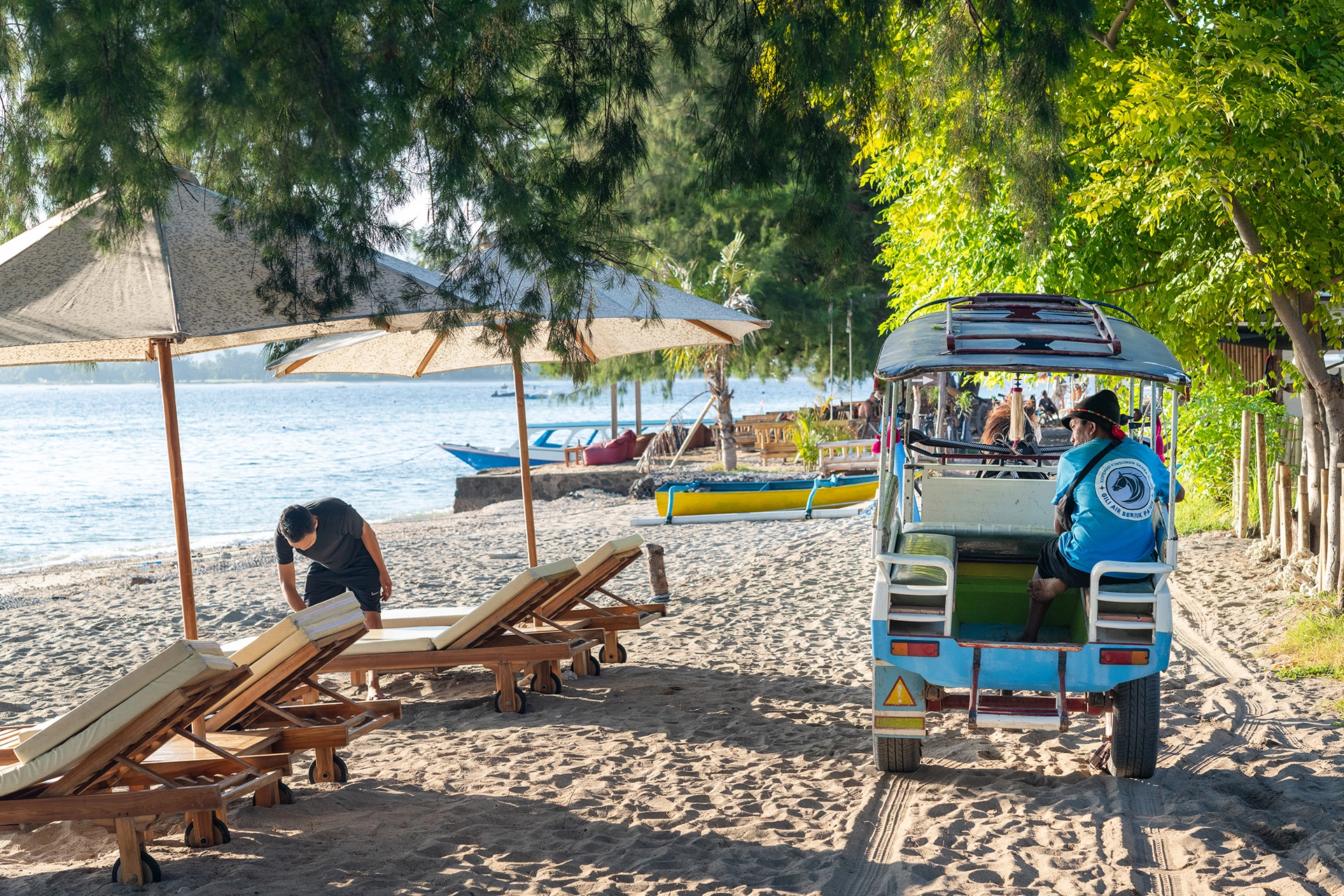
Bali is visually rich by default. That is both its advantage and its trap.
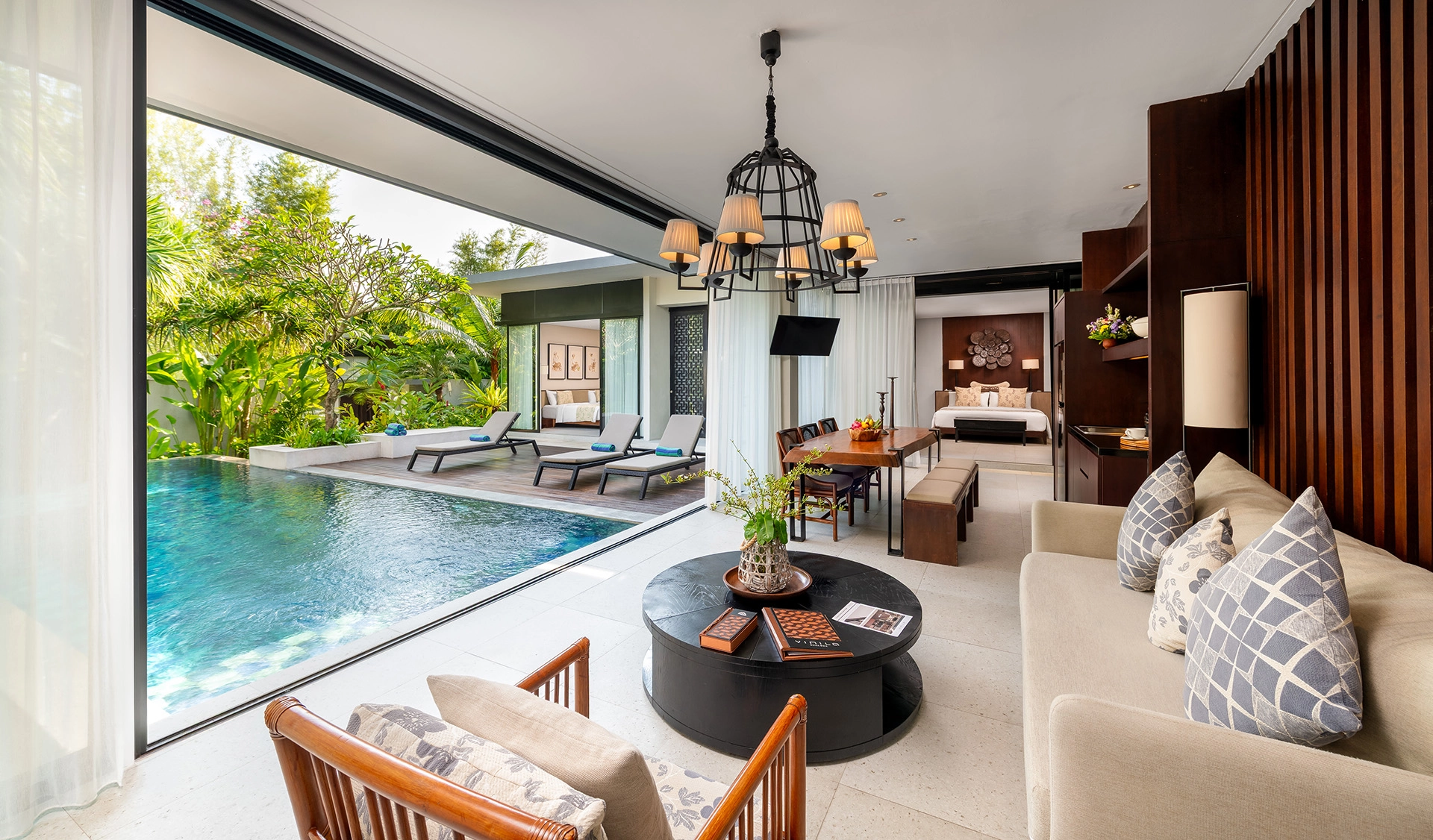
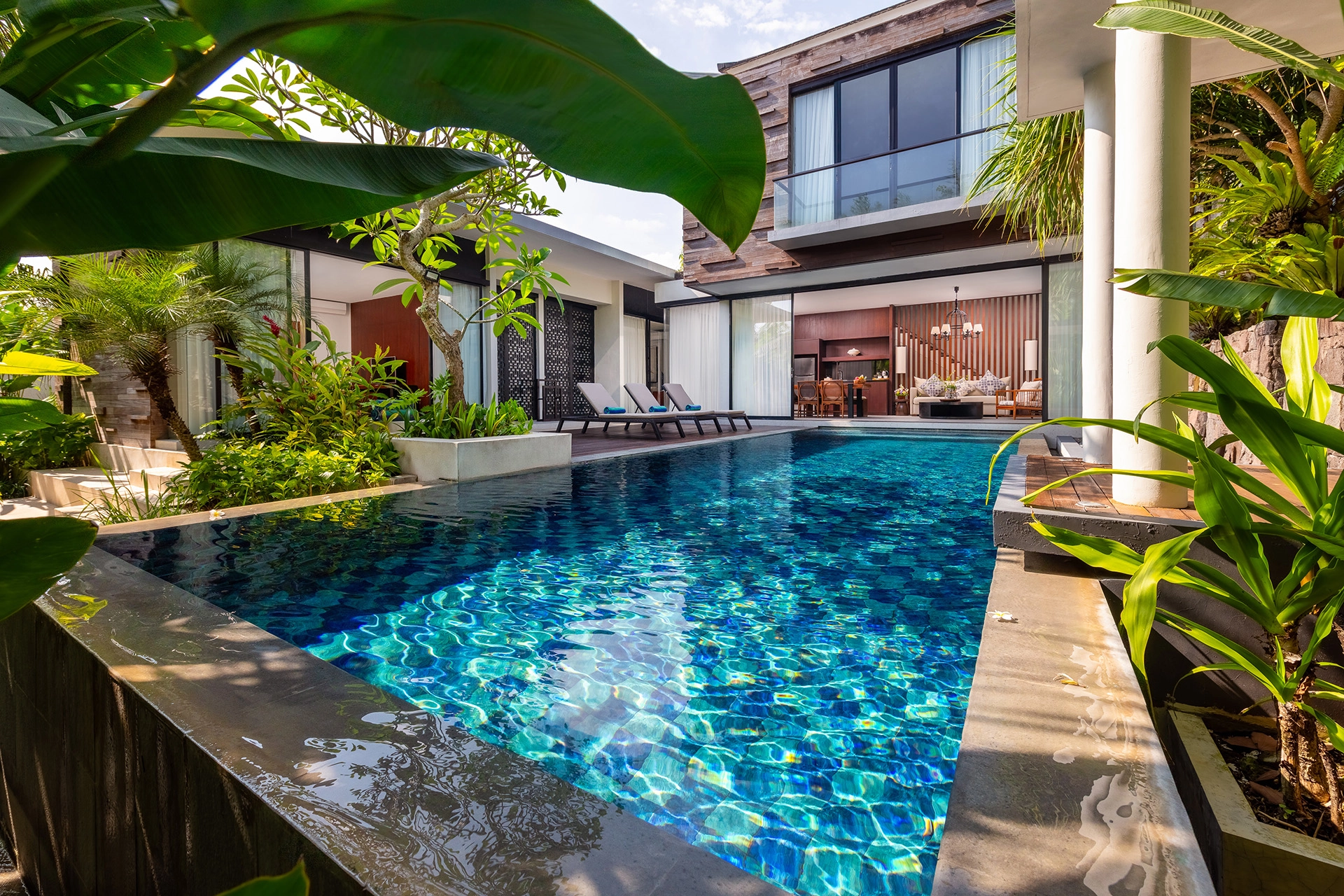
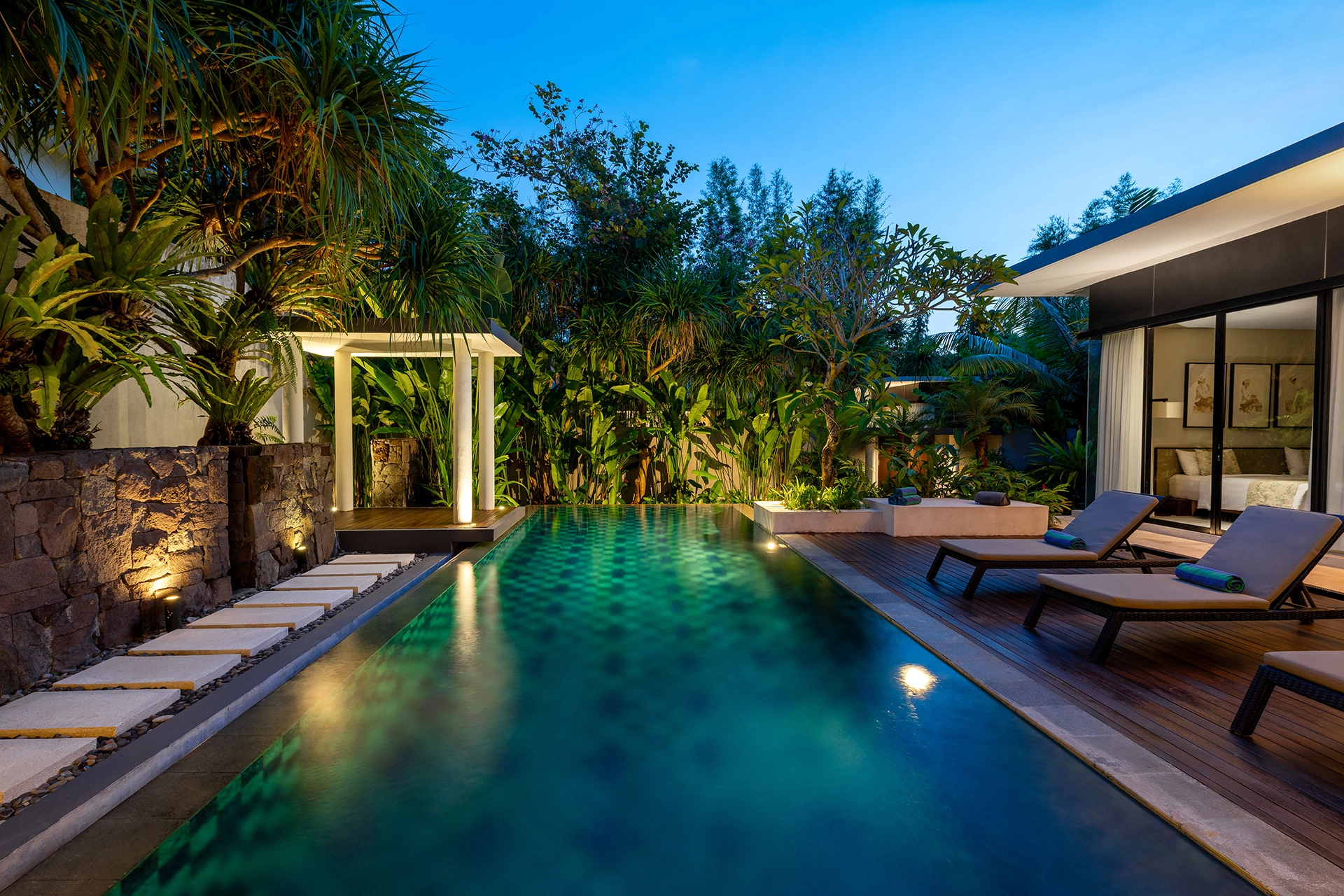
Lush vegetation, strong architecture, layered textures, pools, stone, wood, water, tropical gardens. Everything competes for attention. On the surface, it can feel like an easy place to photograph because almost every angle looks interesting.
But interesting is not the same as effective.
Five years earlier, I probably saw Bali mostly as an exotic, beautiful environment. This time, I looked at it more critically. I was not just asking whether a frame looked good. I was asking whether it communicated the property clearly.
That is a big difference.
A hotel photograph has a job. It needs to create atmosphere, but it also needs to explain the space. It needs to attract attention without becoming visually confusing. It has to feel aspirational without becoming detached from reality.
Bali gives you a lot. Sometimes too much.
Bali vs Europe: the biggest visual difference
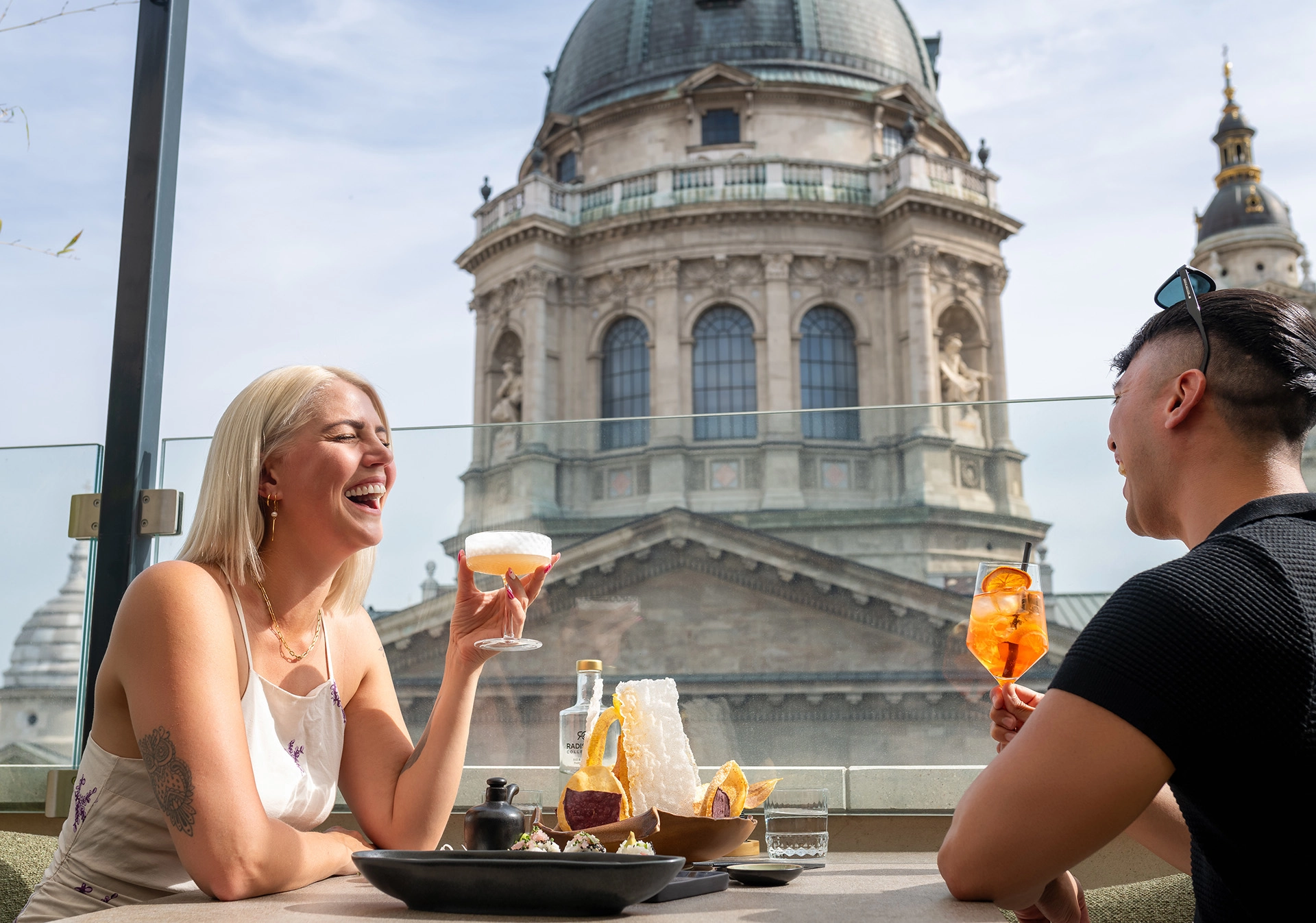
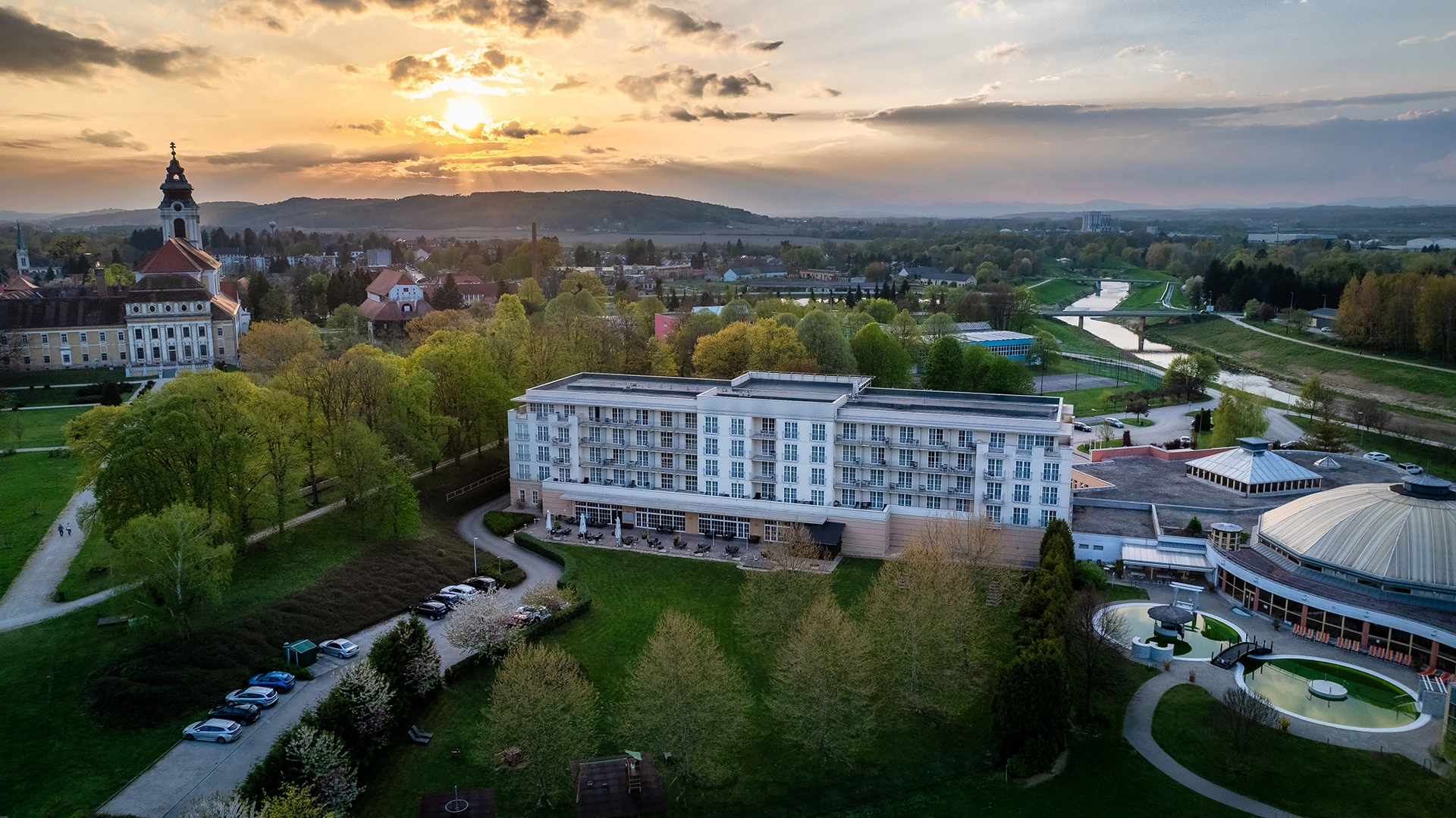
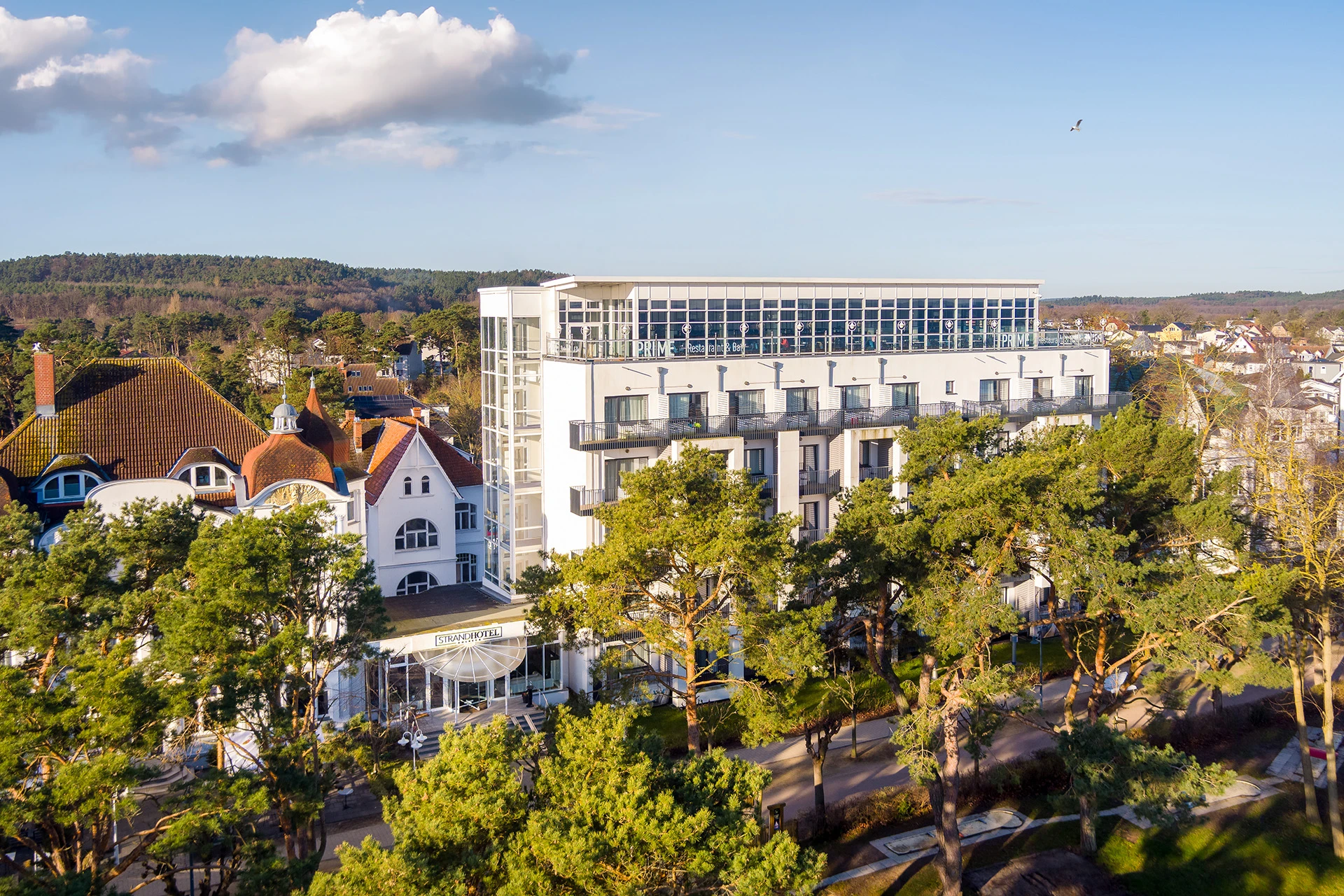
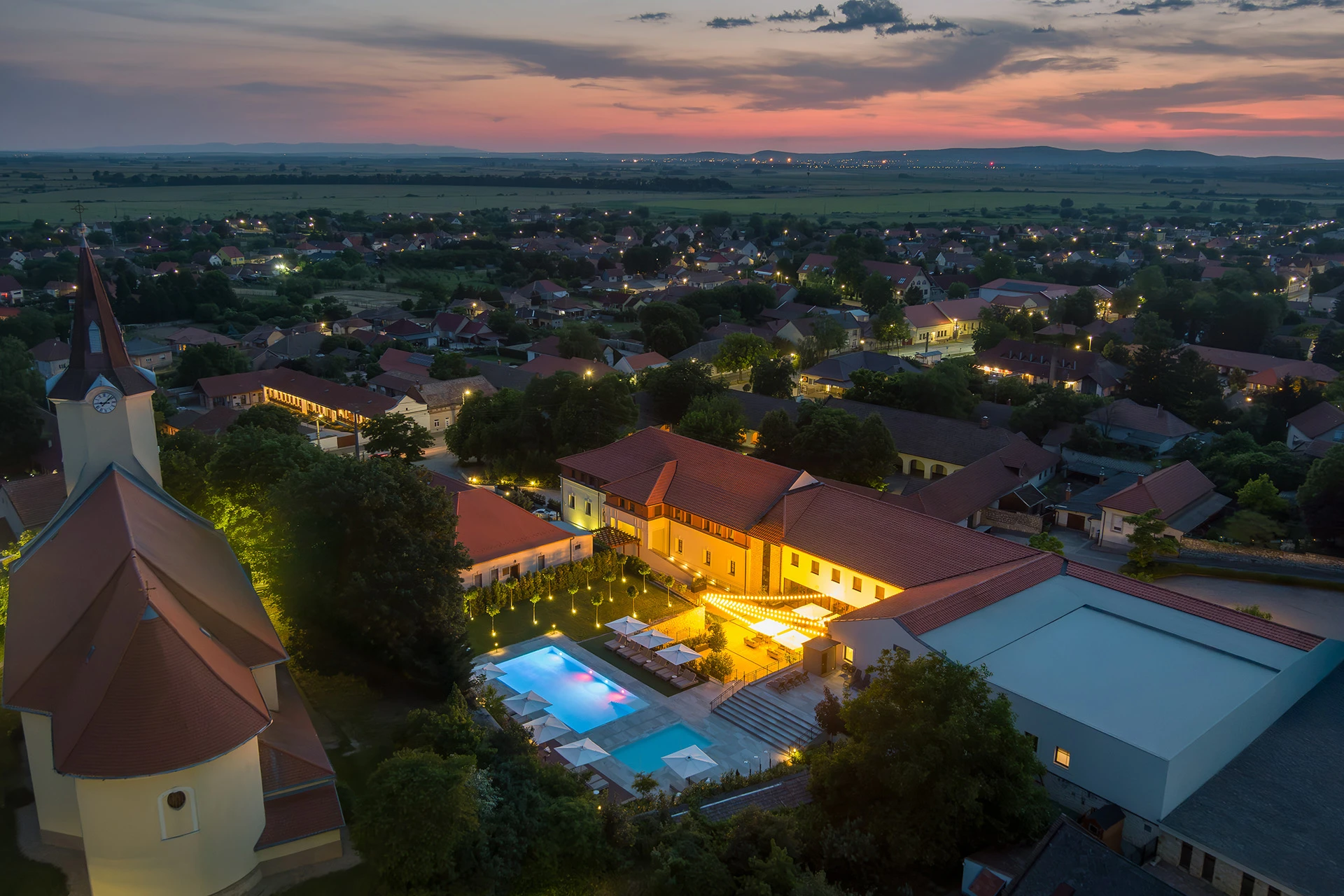
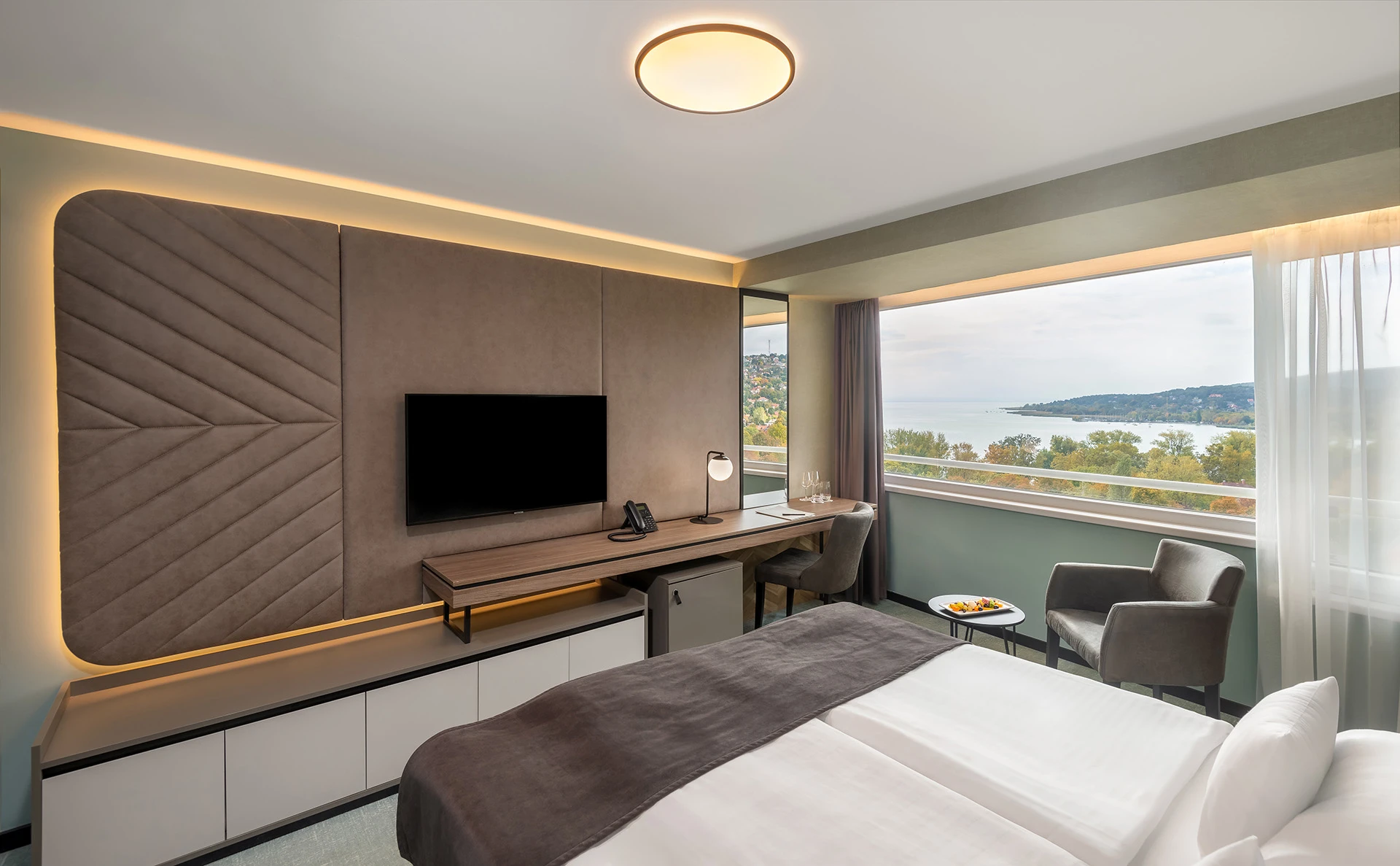
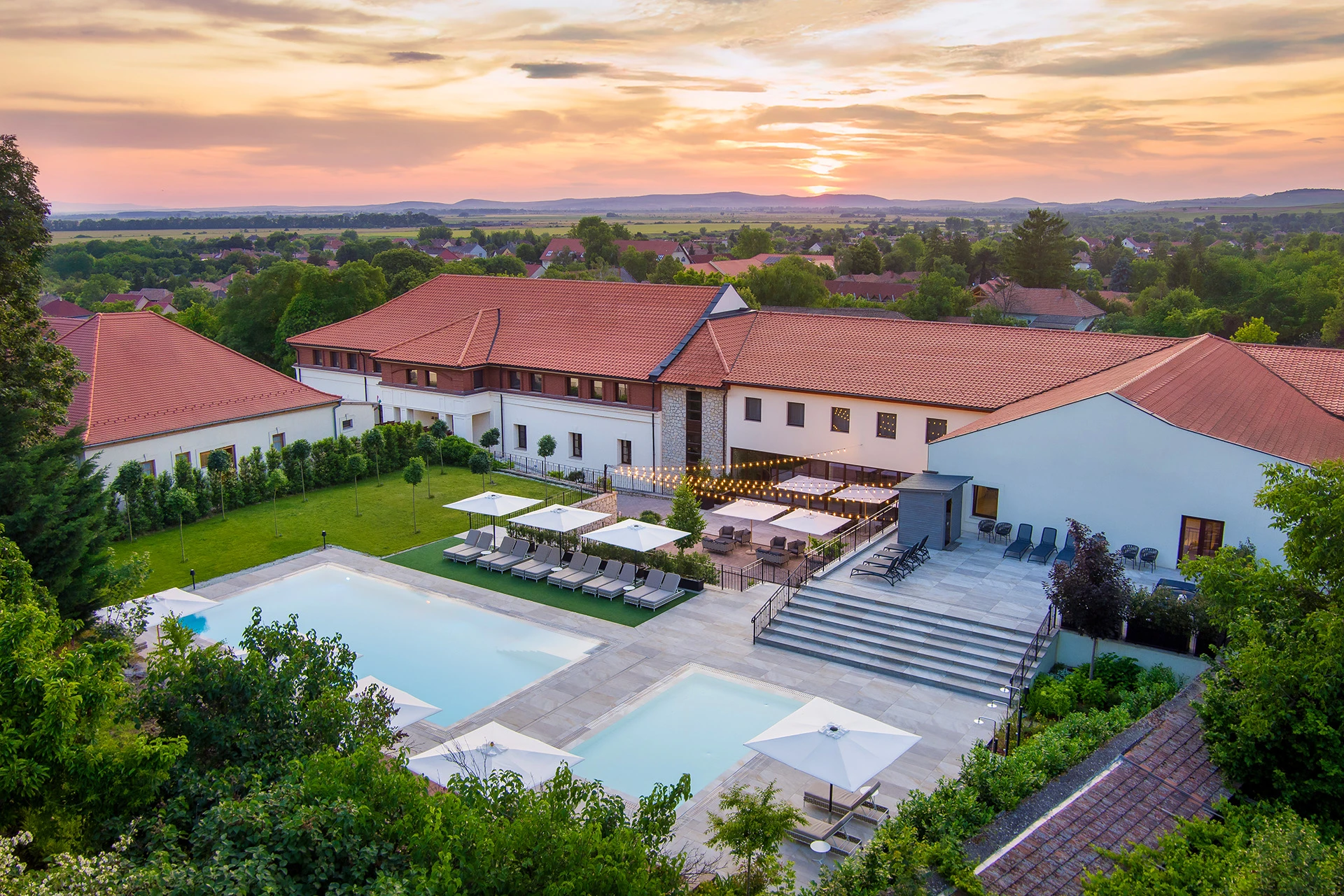
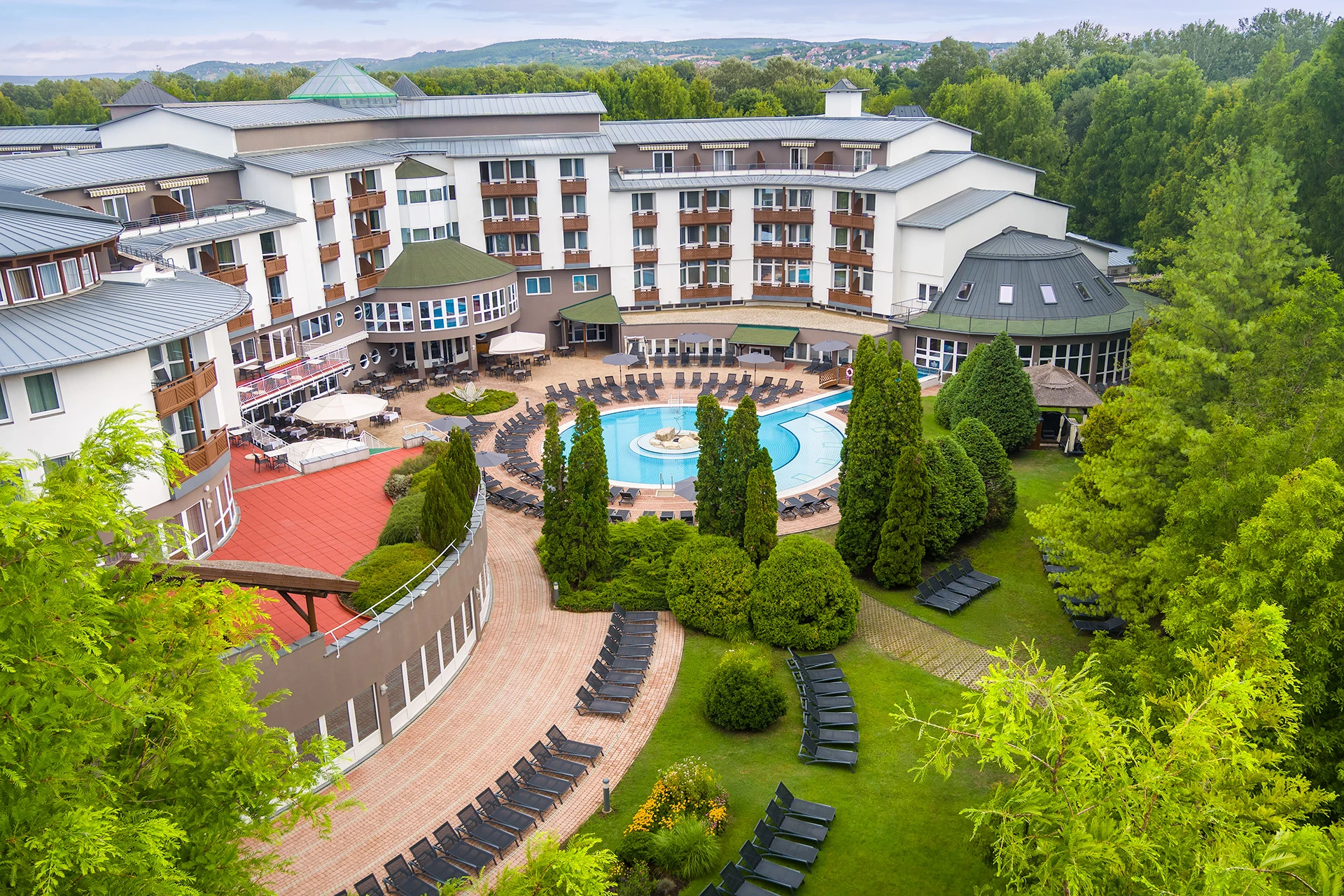
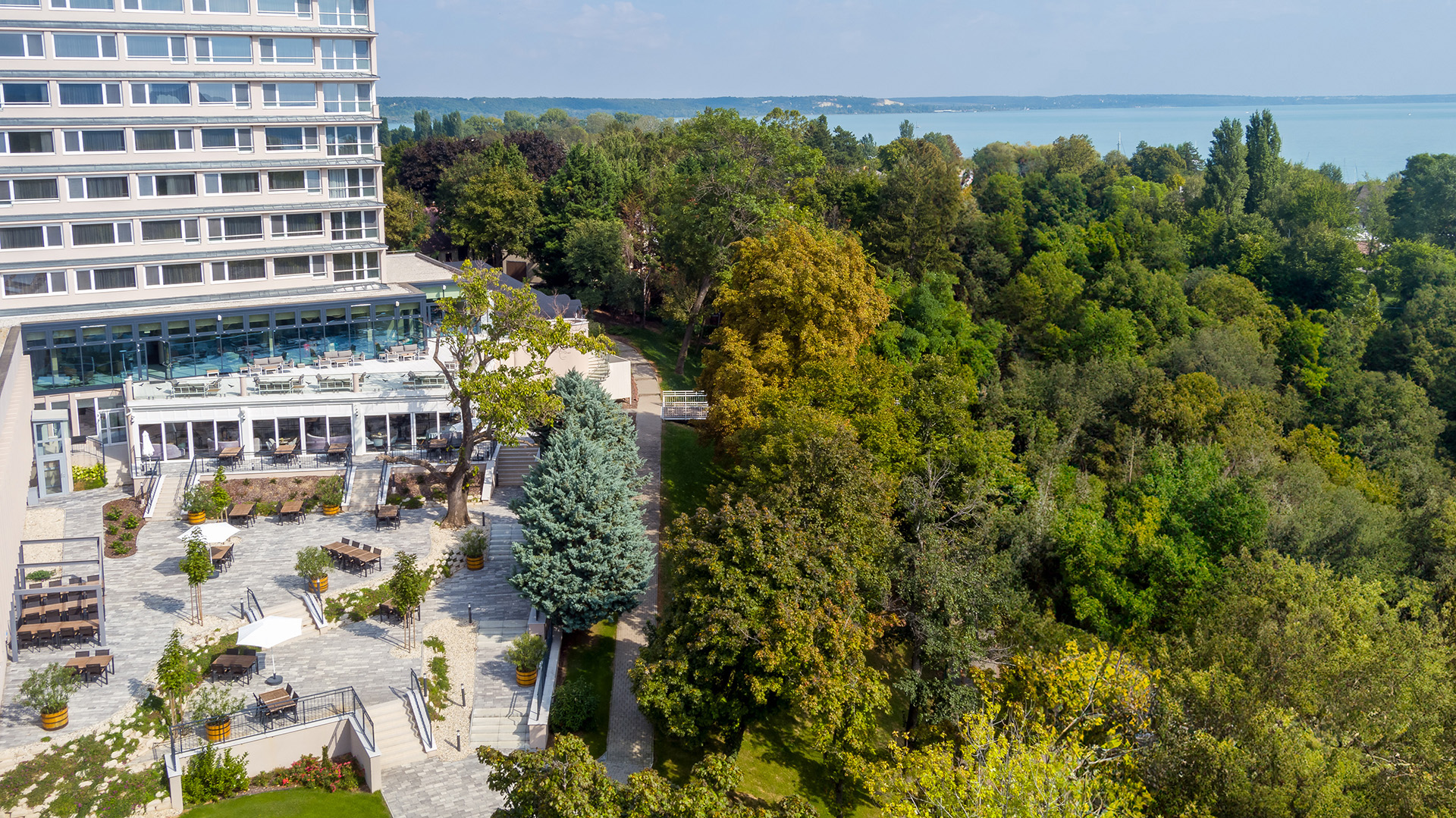
In Europe, hotel photography often starts with structure.
Many properties have:
clearer architectural lines
more predictable layouts
more controlled landscaping
cleaner visual separation between spaces
That does not automatically make them easier to photograph, but it usually gives the image a more defined starting point.
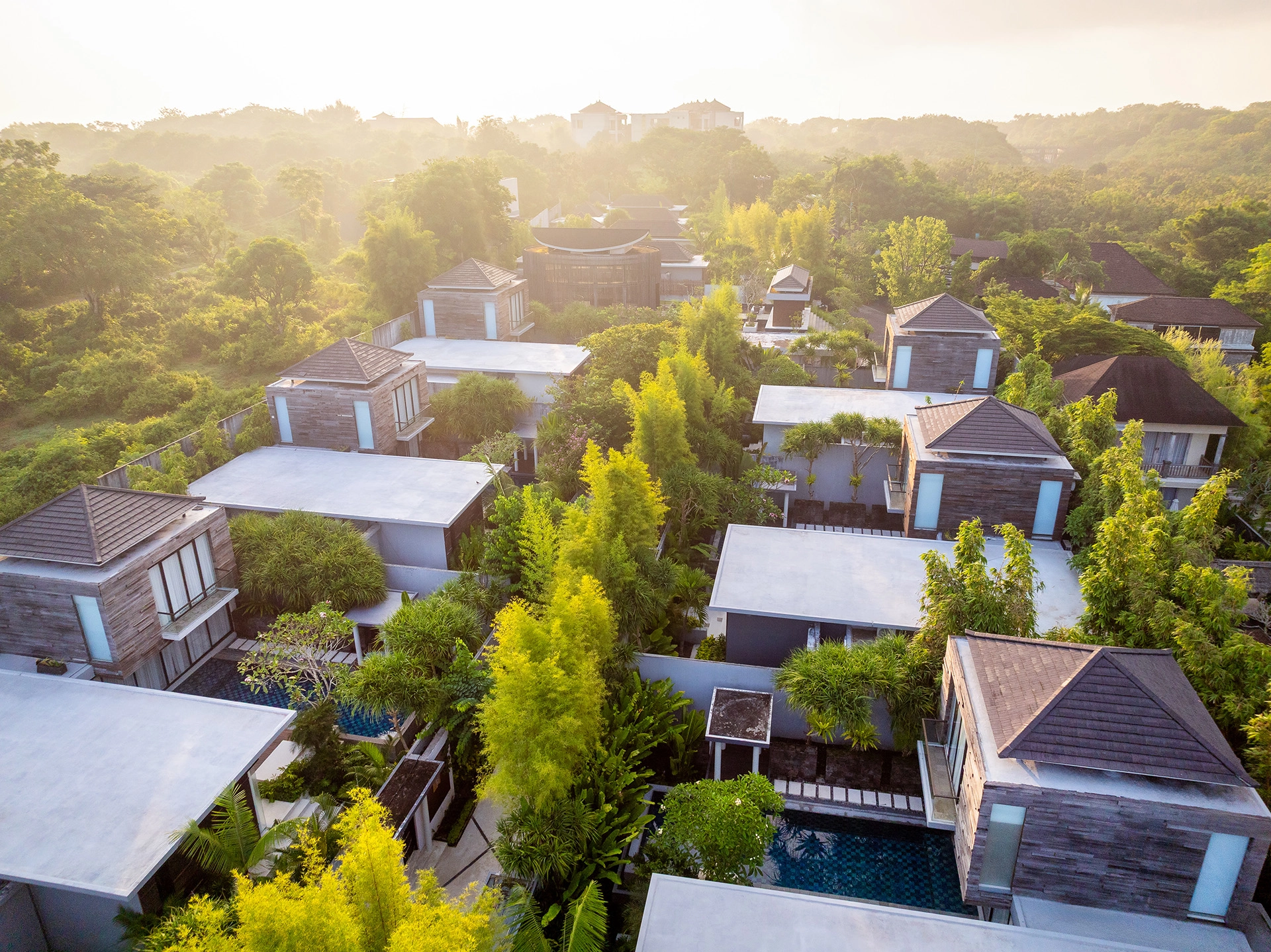
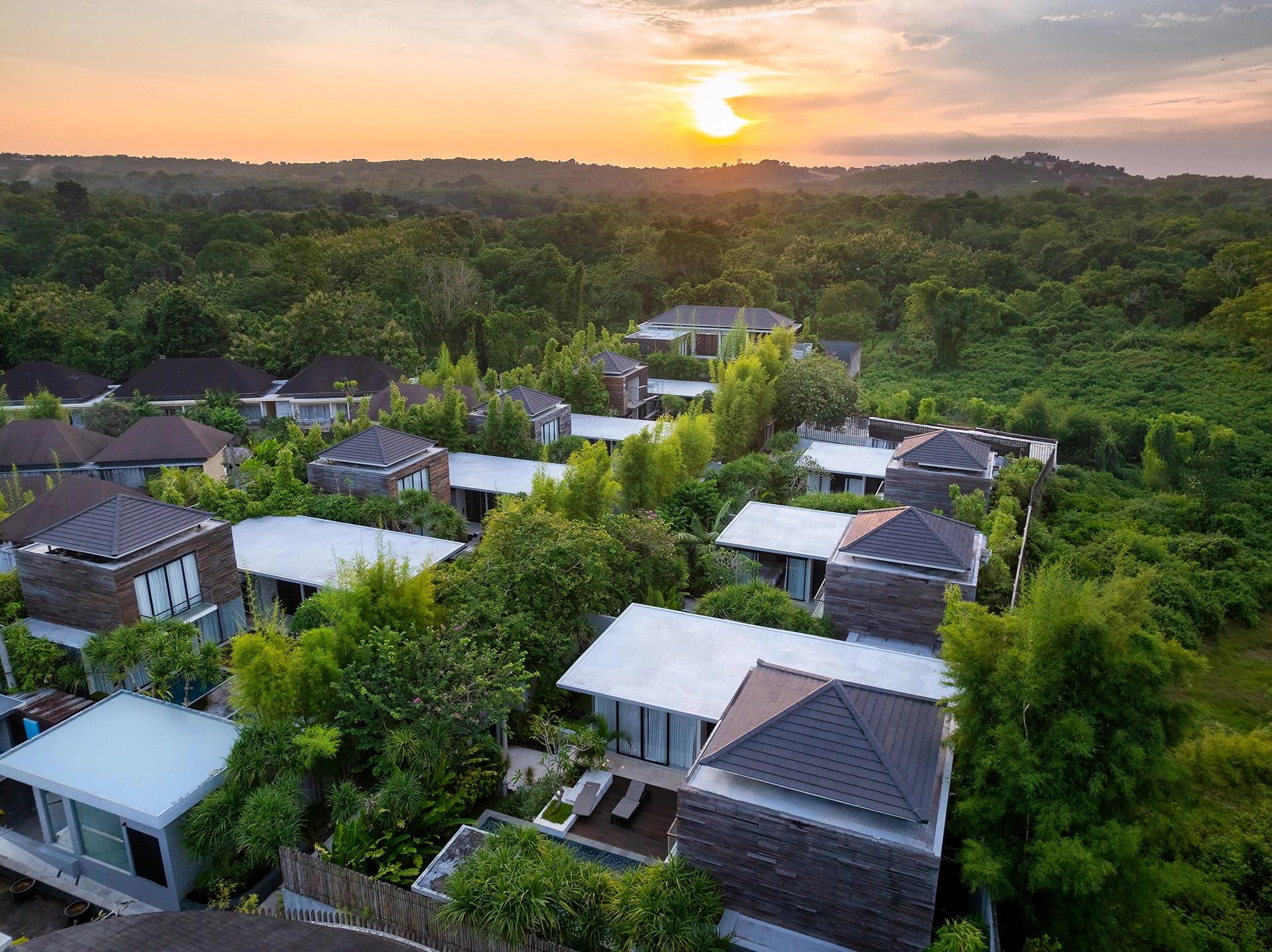
In Bali, the environment tends to absorb the architecture.
Vegetation surrounds, overlaps, frames, hides, and sometimes competes with the building. Pathways are narrower. Spaces are more layered. A beautiful scene in person can become visually overloaded in a photograph.
So the challenge changes.
In Europe, I often work to add atmosphere to structure. In Bali, I often work to find structure within atmosphere.
That may sound like a small difference, but on location it changes almost every decision.
Light: softer control vs aggressive contrast
Light behaves very differently as well.
In much of Europe, especially in the colder months, the light can be softer and more forgiving. Shooting windows can be longer. Transitions are slower. Even difficult conditions often give you time to adjust.
Bali is less patient.
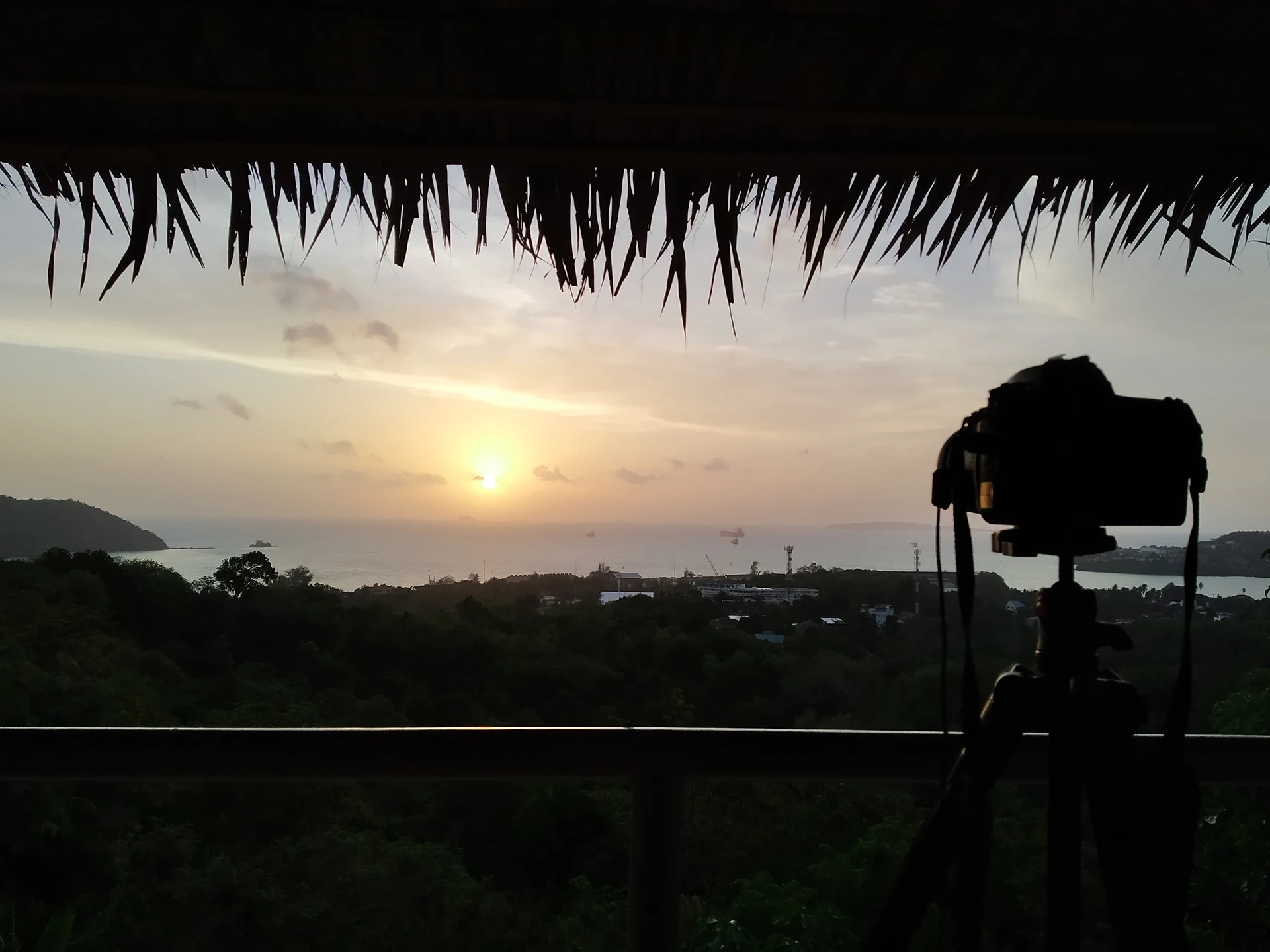
The sun becomes harsh quickly. Highlights can burn out fast. Shadows become deep and heavy. Reflections from water, stone, glass, and polished surfaces can be difficult to balance.
This means the shooting rhythm changes:
mornings become more important
angles need to be chosen more carefully
timing becomes less flexible
waiting too long can ruin a frame completely
It is tempting to think that tropical light automatically makes everything better. It does not. It just makes mistakes brighter.
A charming feature of the universe, apparently.
A month between extremes
One detail that stayed with me was the extreme contrast within a very short period.
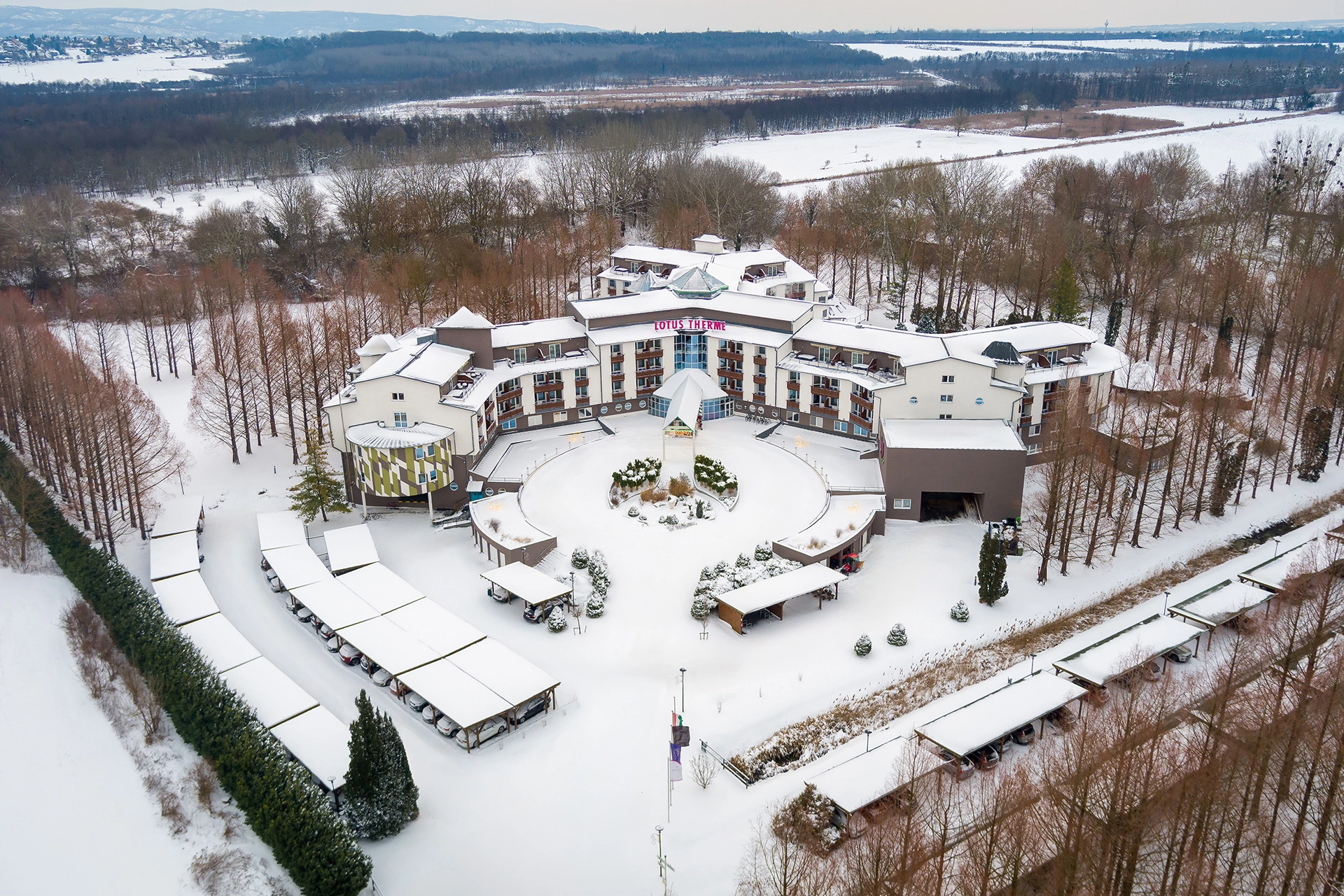
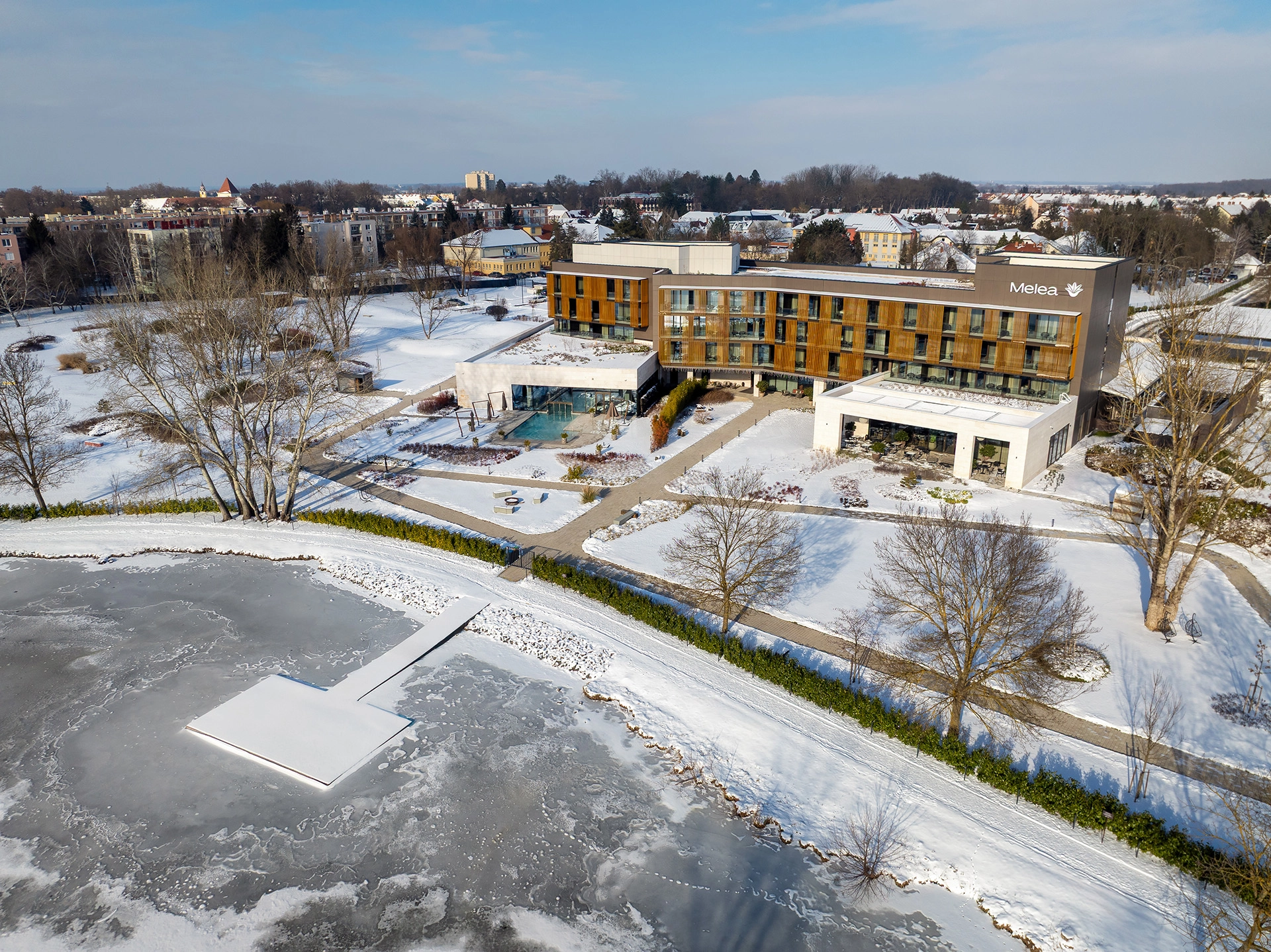
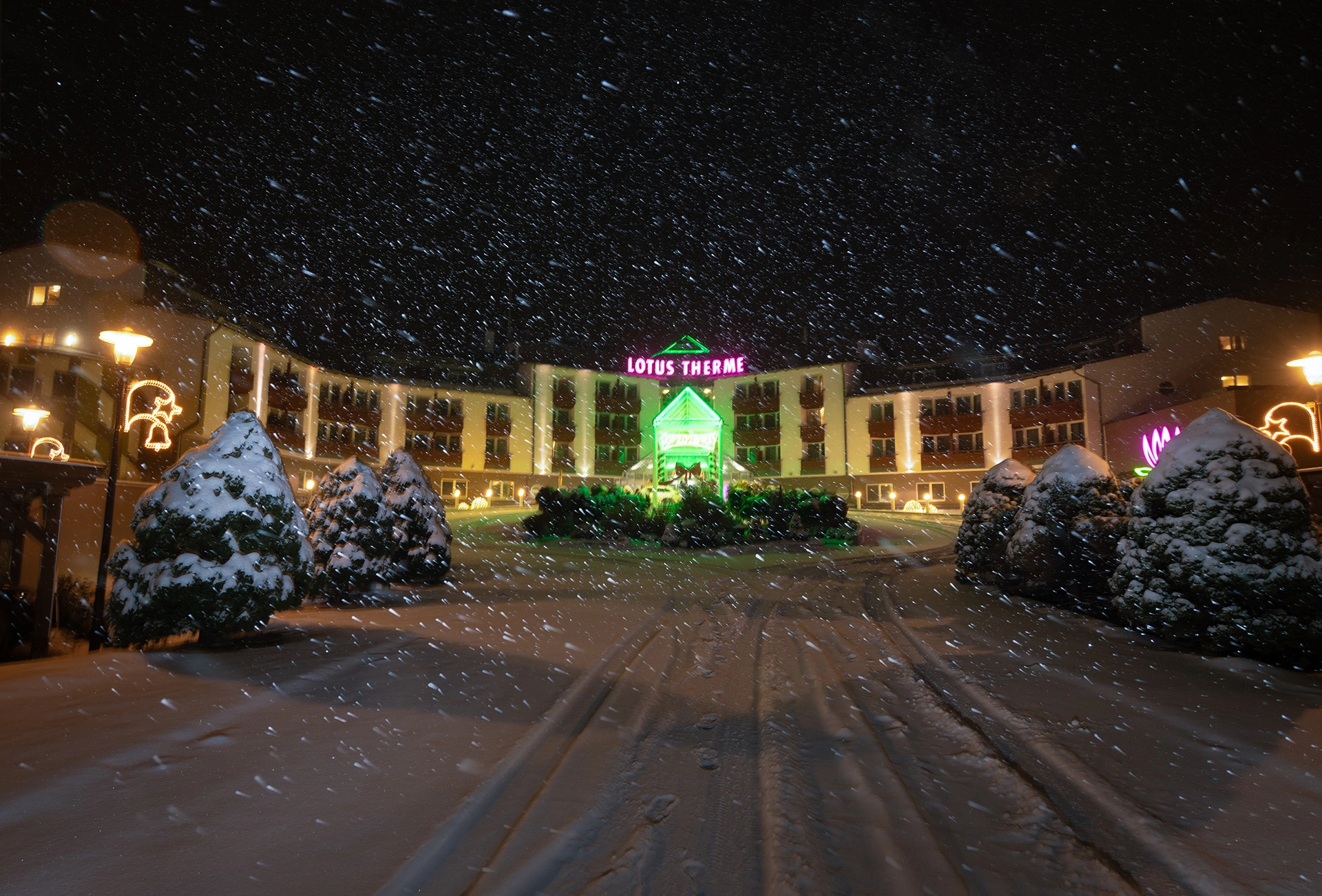
Just a few weeks earlier, I had been photographing hotels in winter conditions in Hungary during the Snow Project. Snow, freezing temperatures, difficult roads, and drone flights that required careful consideration because of the cold.
Then, within the same month, I was in Bali, at the opposite end of the operating range: heat, humidity, strong sun, and tropical conditions.
In Europe, I had to consider minimum safe temperatures for drone operation.
In Bali, I had to consider maximum temperatures.
That felt almost absurd, but it also sums up the reality of this work quite well.
Hotel photography is not just about composition and camera settings. It is about logistics, weather, equipment limits, timing, risk management, and decisions made on location. The final image should feel calm. The process behind it often is not.
Returning with different equipment
Coming back to Southeast Asia with different equipment also changed the way I worked.
Better tools do not automatically create better images. That is the boring truth no gear discussion wants to hear. But better tools can give more control, especially when the environment is demanding.
With stronger equipment and a more refined workflow, I could approach locations with more precision:
more confidence in difficult light
better control over aerial compositions
more flexibility in tight spaces
more consistency across a full set of images
But the most important difference was not technical.
It was knowing when not to shoot.
That is something experience teaches much better than equipment does. In a place like Bali, where almost everything looks visually appealing, restraint becomes essential. Not every beautiful detail belongs in the final story of a hotel.
The problem with “photogenic”
Bali is one of the most photographed hospitality destinations in the world.
That creates a strange problem. The visual language is already saturated. Pools, palms, villas, jungle views, floating breakfasts, dramatic sunsets. The clichés are everywhere because, annoyingly, many of them are based on genuinely attractive things.
The challenge is not to avoid beauty. That would be pointless.
The challenge is to avoid producing images that feel interchangeable.
This is where a broader understanding of hotel photography becomes important. A strong image is not just about showing that a place is beautiful. It is about showing why this particular place is worth remembering.
That means paying attention to:
layout
guest experience
transitions between spaces
atmosphere
brand positioning
the actual commercial role of the image
Pretty is easy. Useful is harder.
What Europe teaches you
Working in Europe has greatly shaped how I approach hotel photography.
European properties often demand discipline:
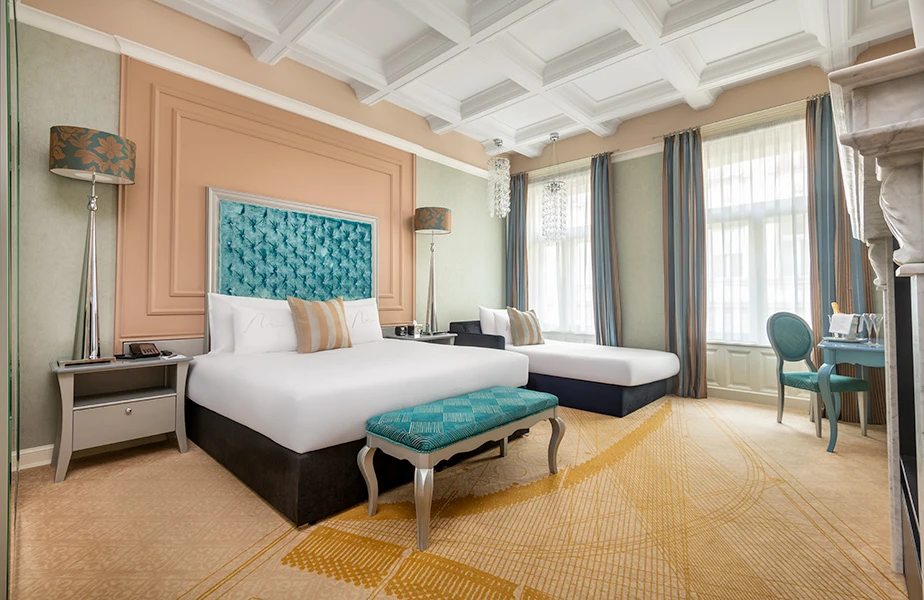
clean compositions
architectural accuracy
careful handling of the weather
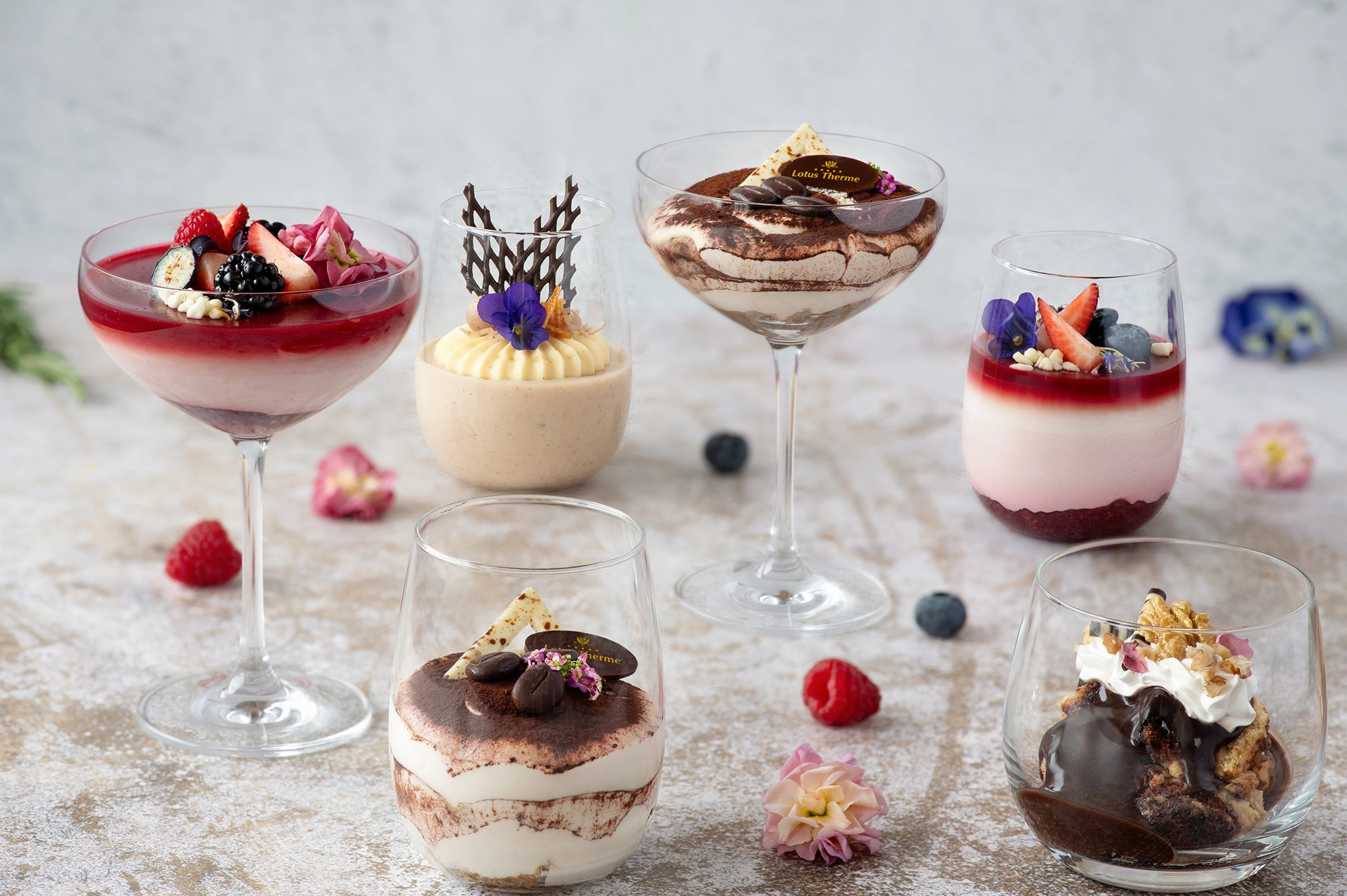
consistency across interiors, exteriors, rooms, and F&B
strong attention to seasonal conditions
The visual environment can be less immediately exotic, which means the image has to work harder. You cannot rely on palm trees and tropical water to do half the emotional labor. Tragic, I know.
That discipline is useful when working somewhere like Bali.
It helps prevent the images from becoming too decorative. It keeps the focus on the hotel, not just the destination.
What Bali teaches you
Bali teaches something else.
It forces faster adaptation. Conditions change quickly. Spaces are layered. Light is intense. The visual environment is generous, but not simple.
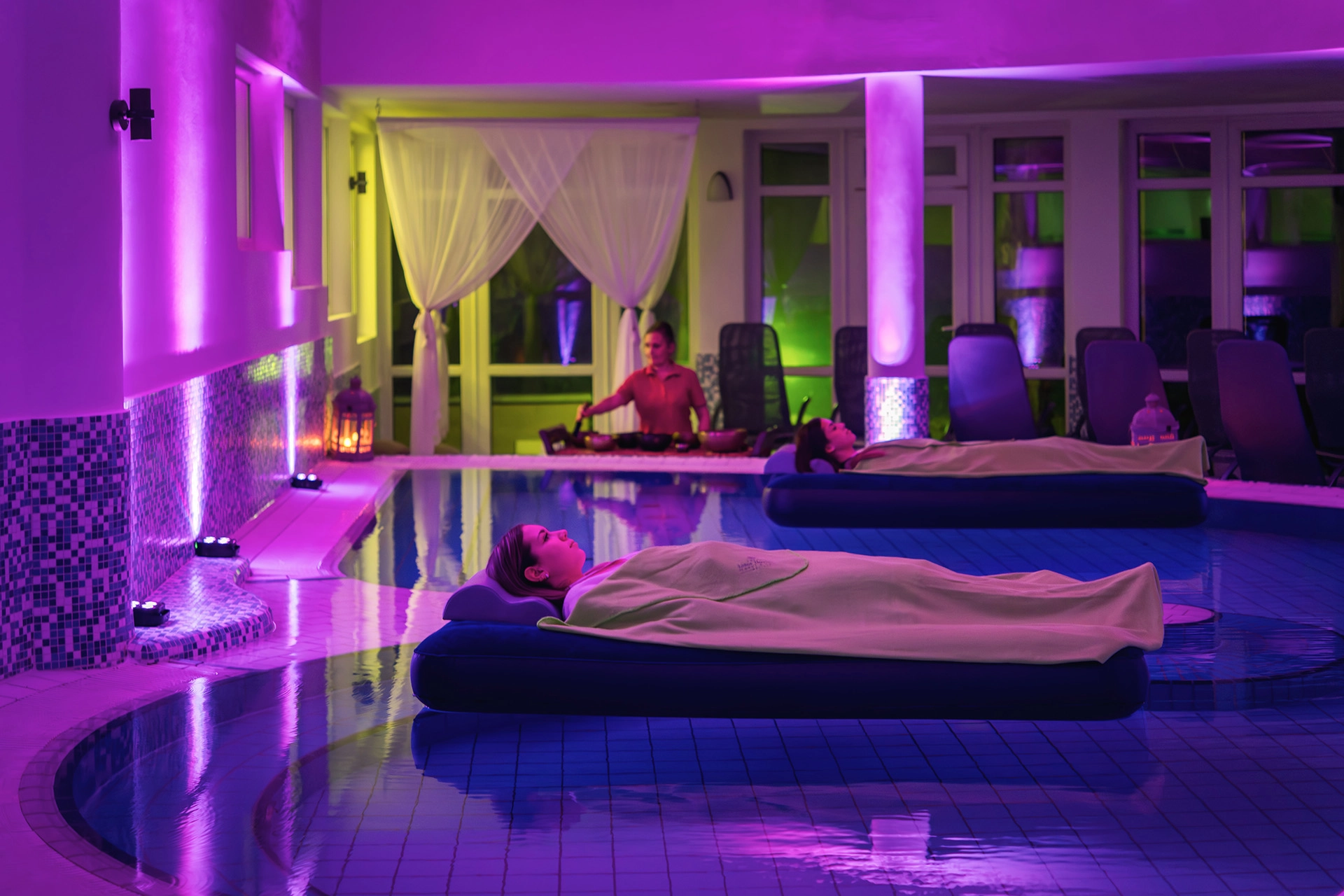
It also reminds you that atmosphere matters. A technically correct image is not enough if it does not convey the place’s feeling.
The best hotel photography sits somewhere between those two worlds:
structured enough to be clear
atmospheric enough to be desirable
Europe pushes me toward control. Bali pushes me toward sensitivity.
Both are useful.
Five years later
Returning to Bali after five years was not just a change of location. It was a way to measure progress.
The earlier version of me was learning how to create strong hotel images. The current version is more focused on why each image is needed.
That shift matters.
Bali made that clear again.
The environment was more intense, the conditions were less forgiving, and the visual competition was higher. But the core challenge remained the same:
Create images that are not only beautiful, but useful.
That part does not change, whether the hotel is surrounded by snow in Europe or tropical heat in Southeast Asia.