Taking photos of one room is easy, but capturing an entire hotel is a whole different challenge.
A full hotel photography project is not only about creating strong individual images. It is about building a consistent visual system that represents the property across its website, booking platforms, campaigns, social media, and sales materials.
That was the goal at Szentgotthárd Therme Hotel.
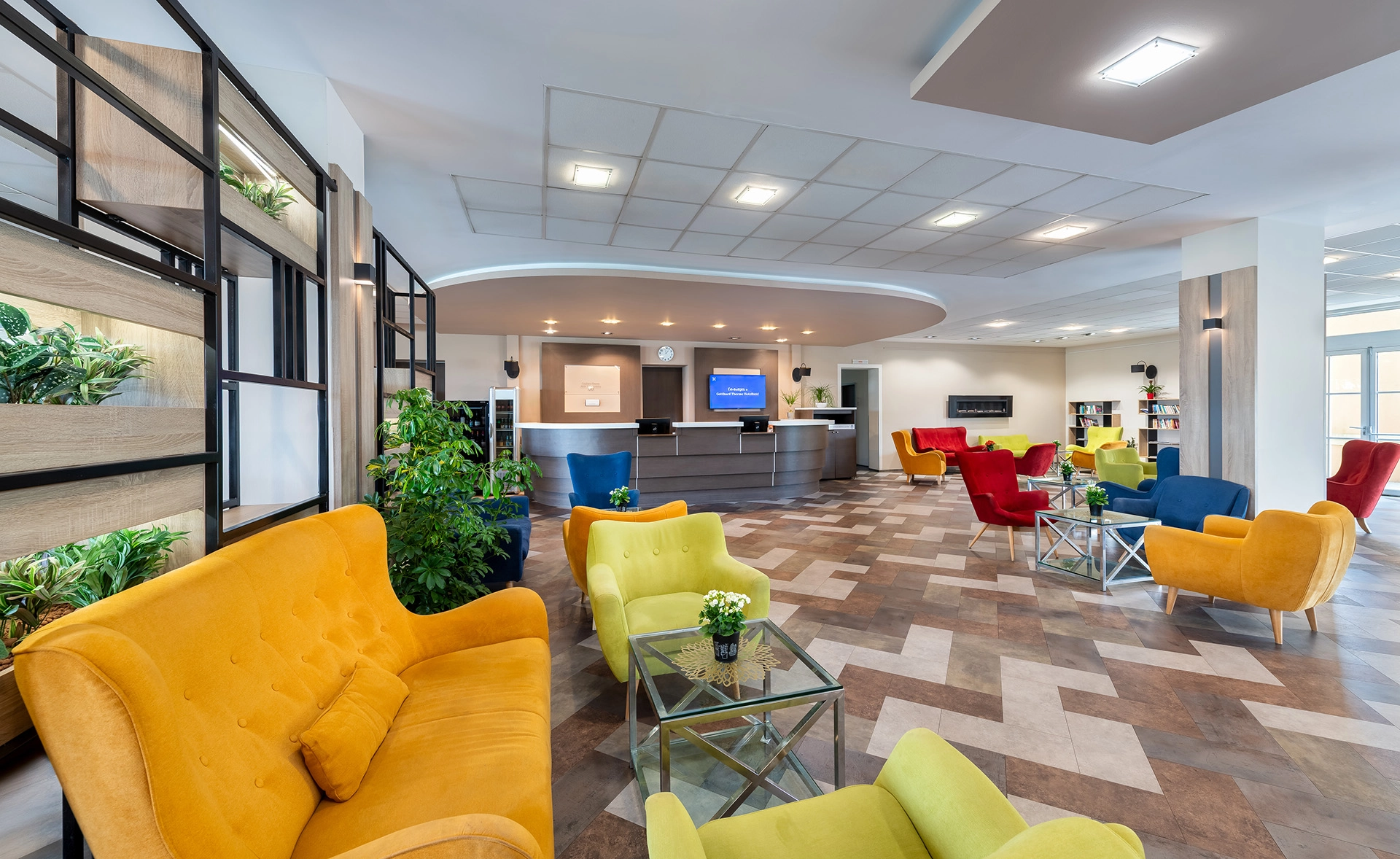
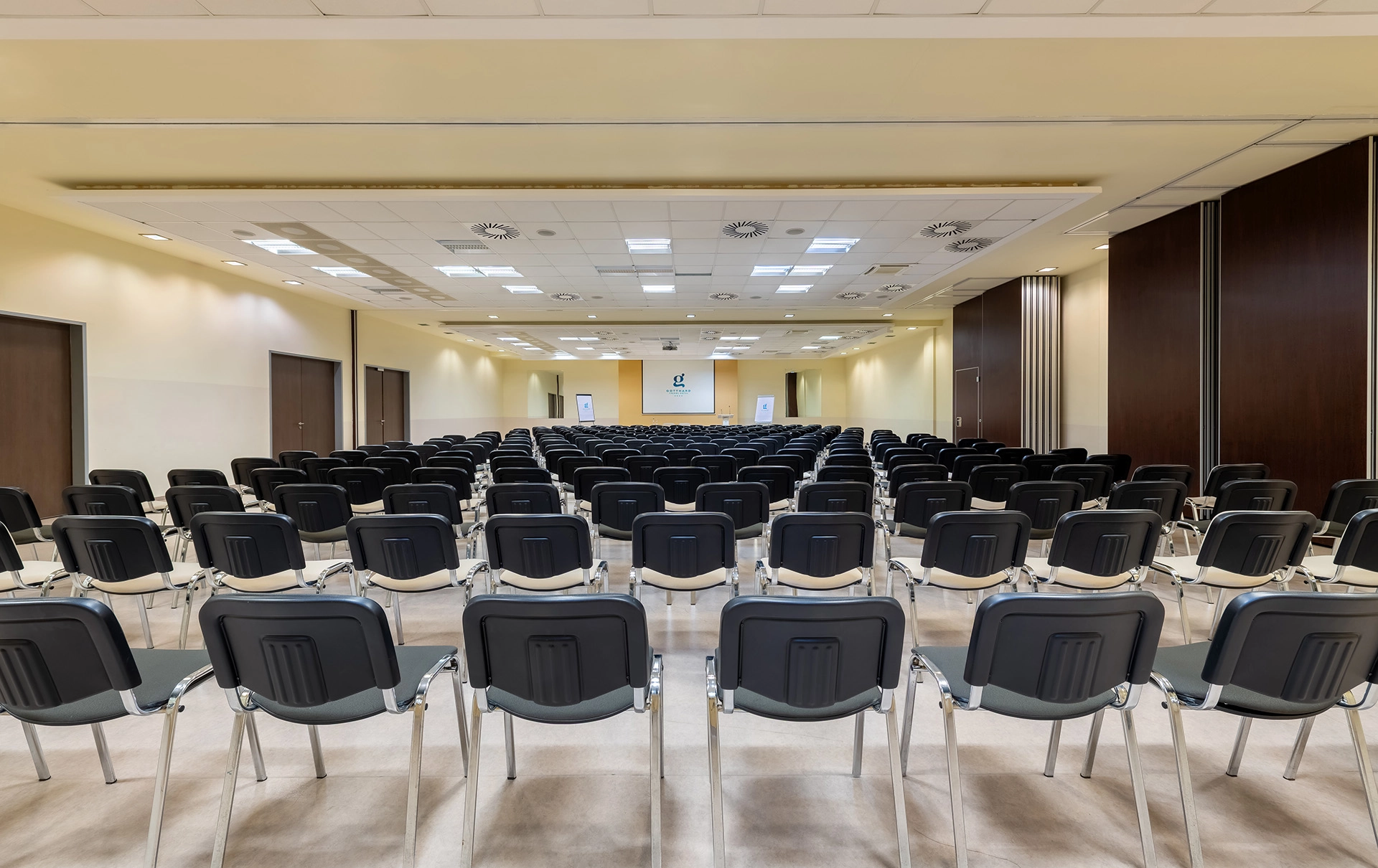
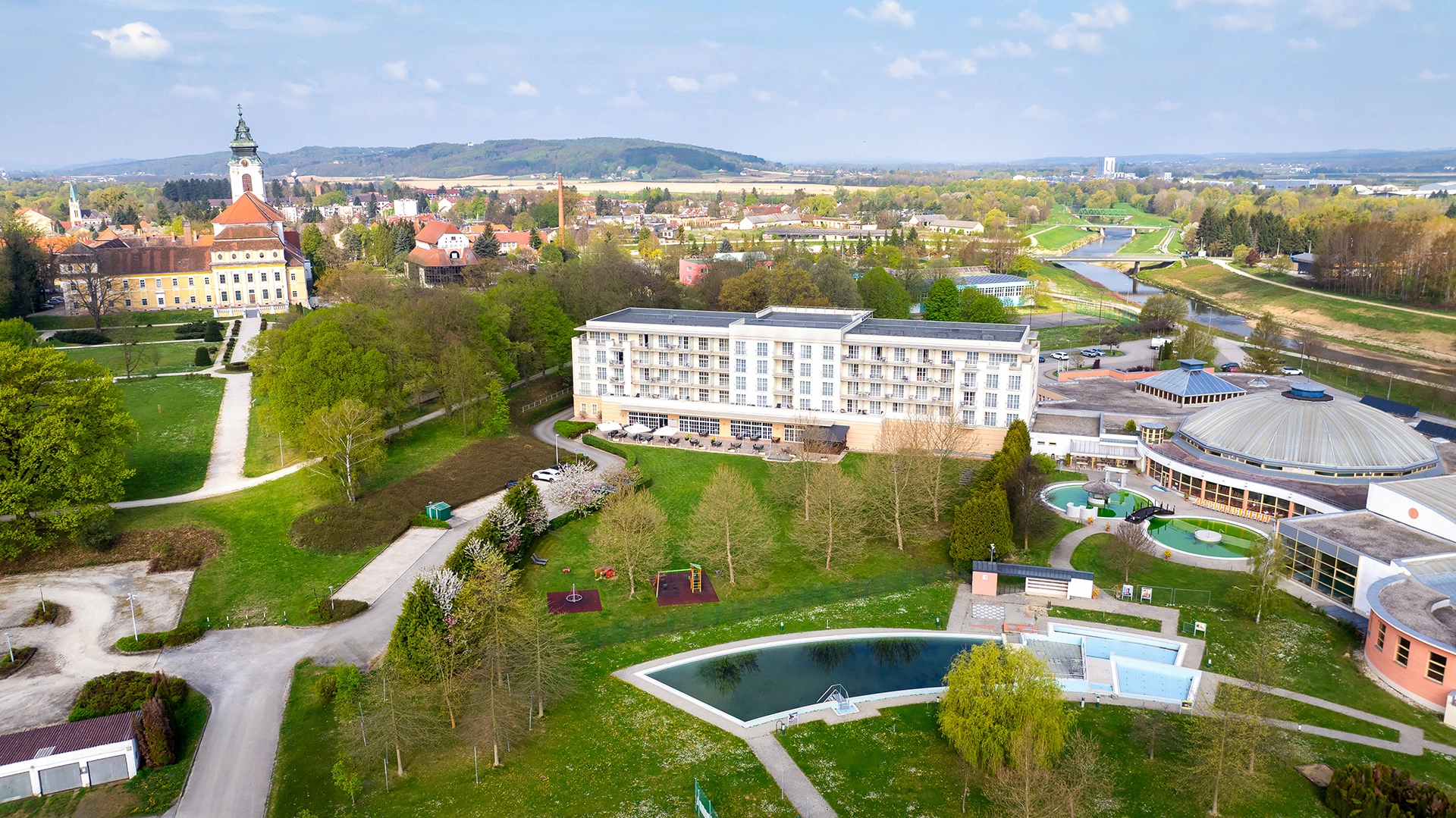
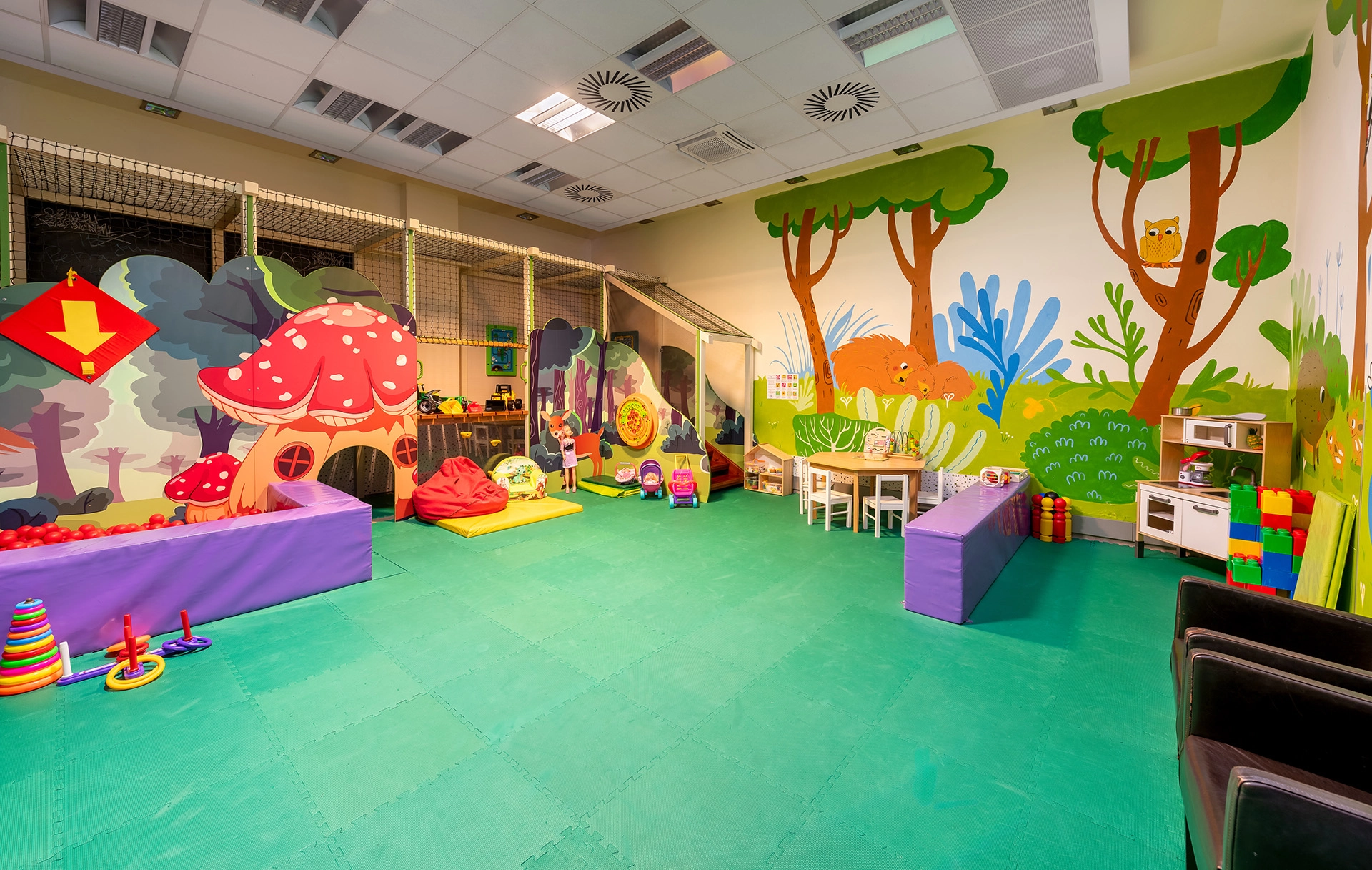
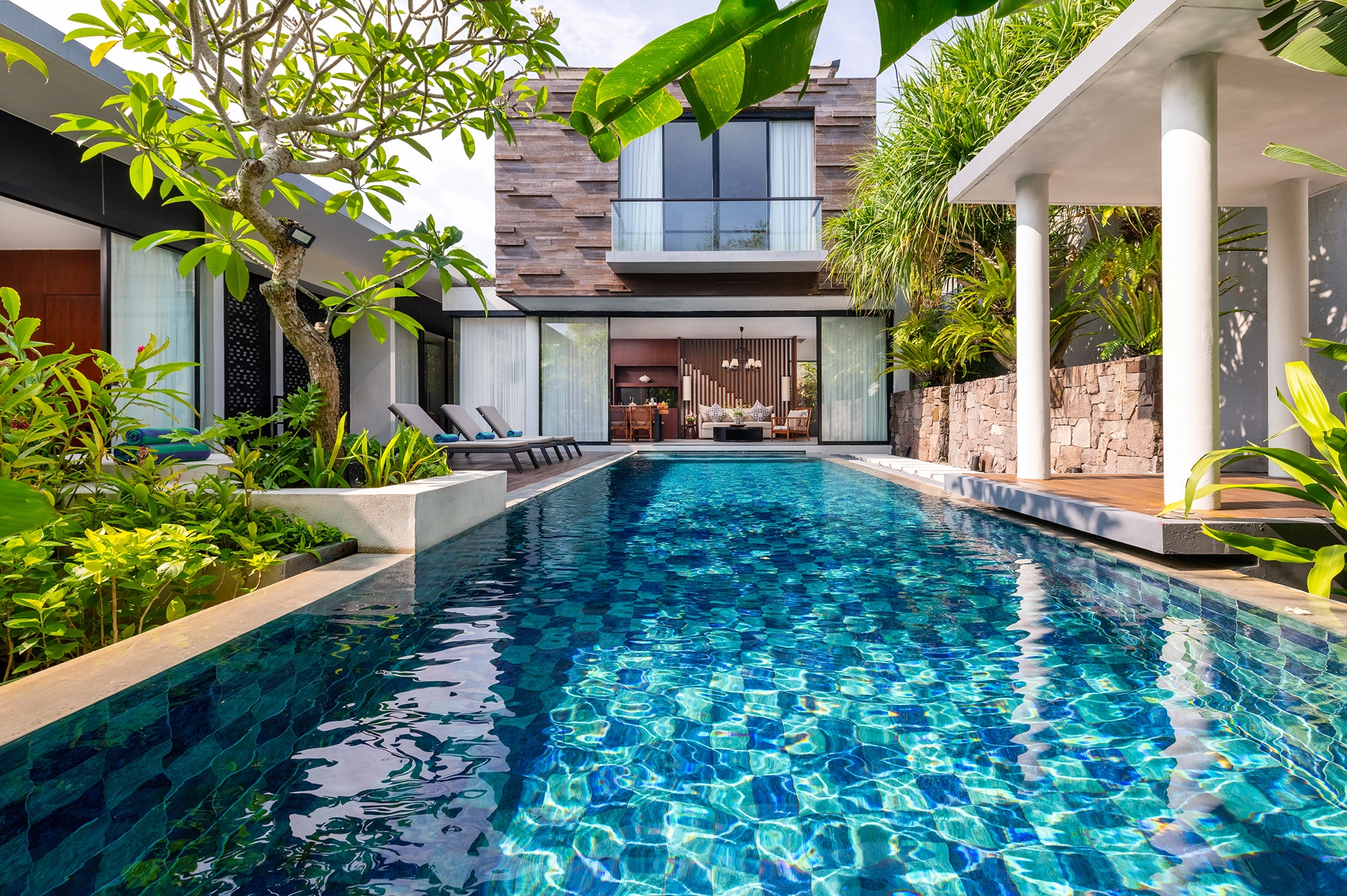
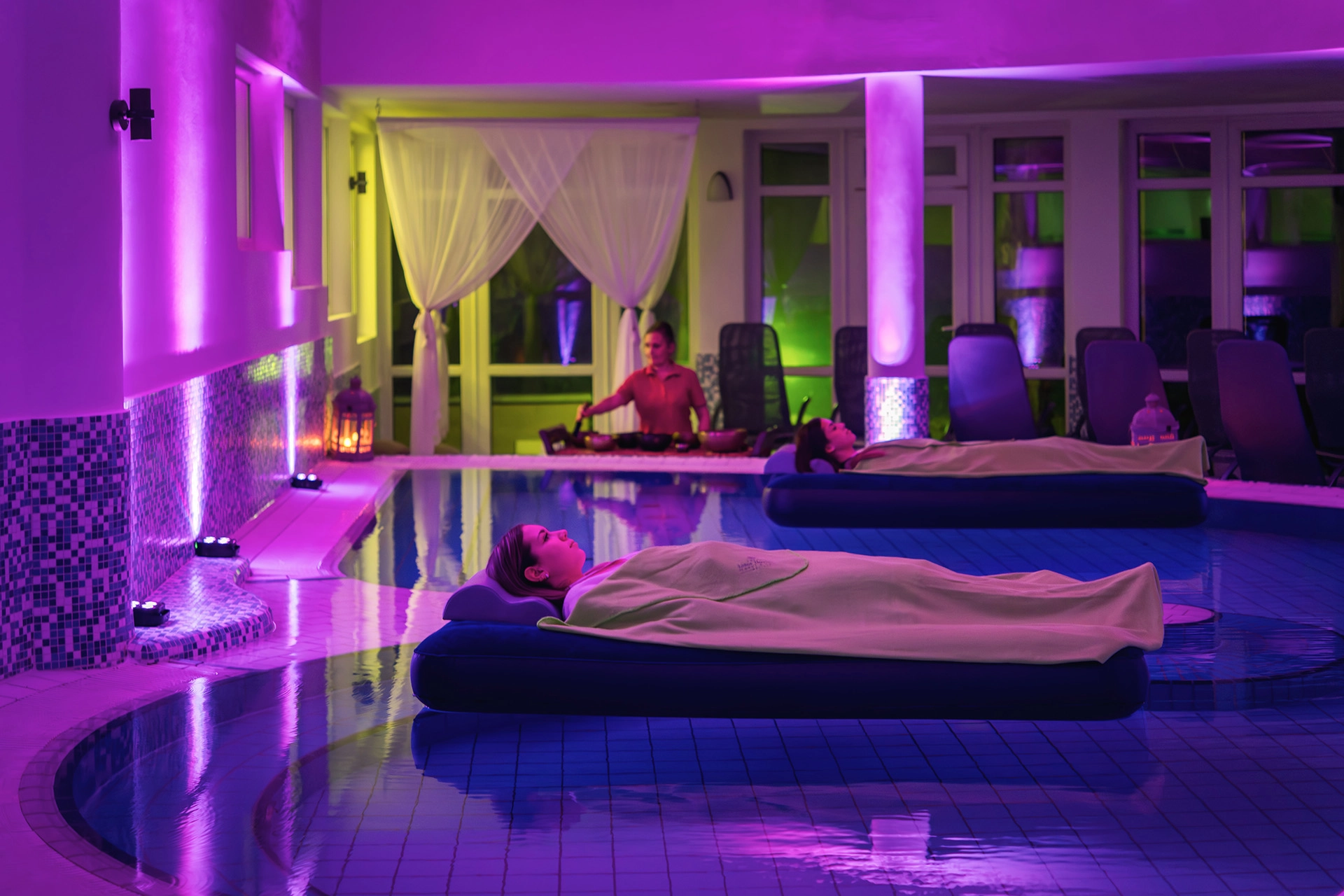
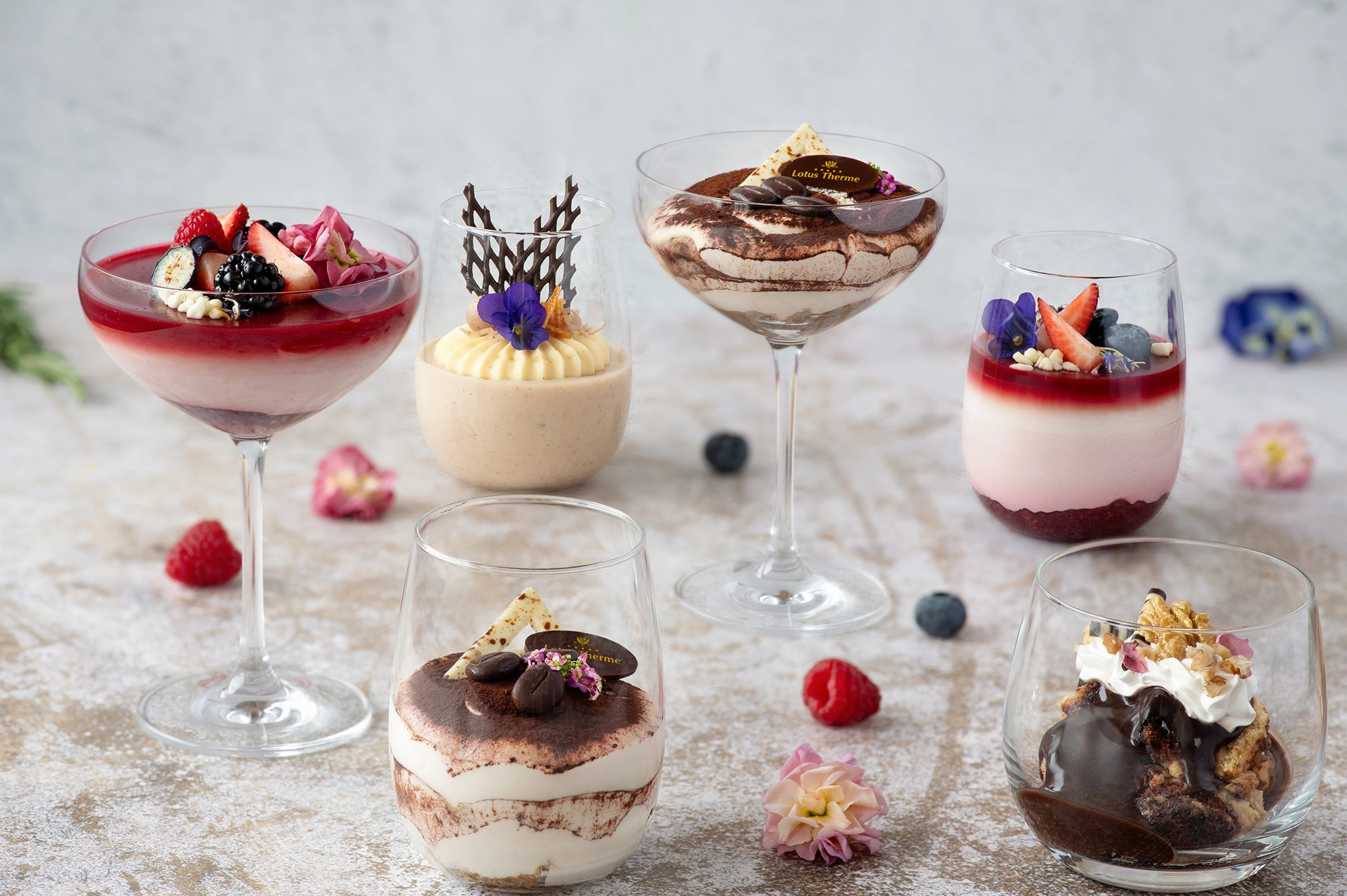
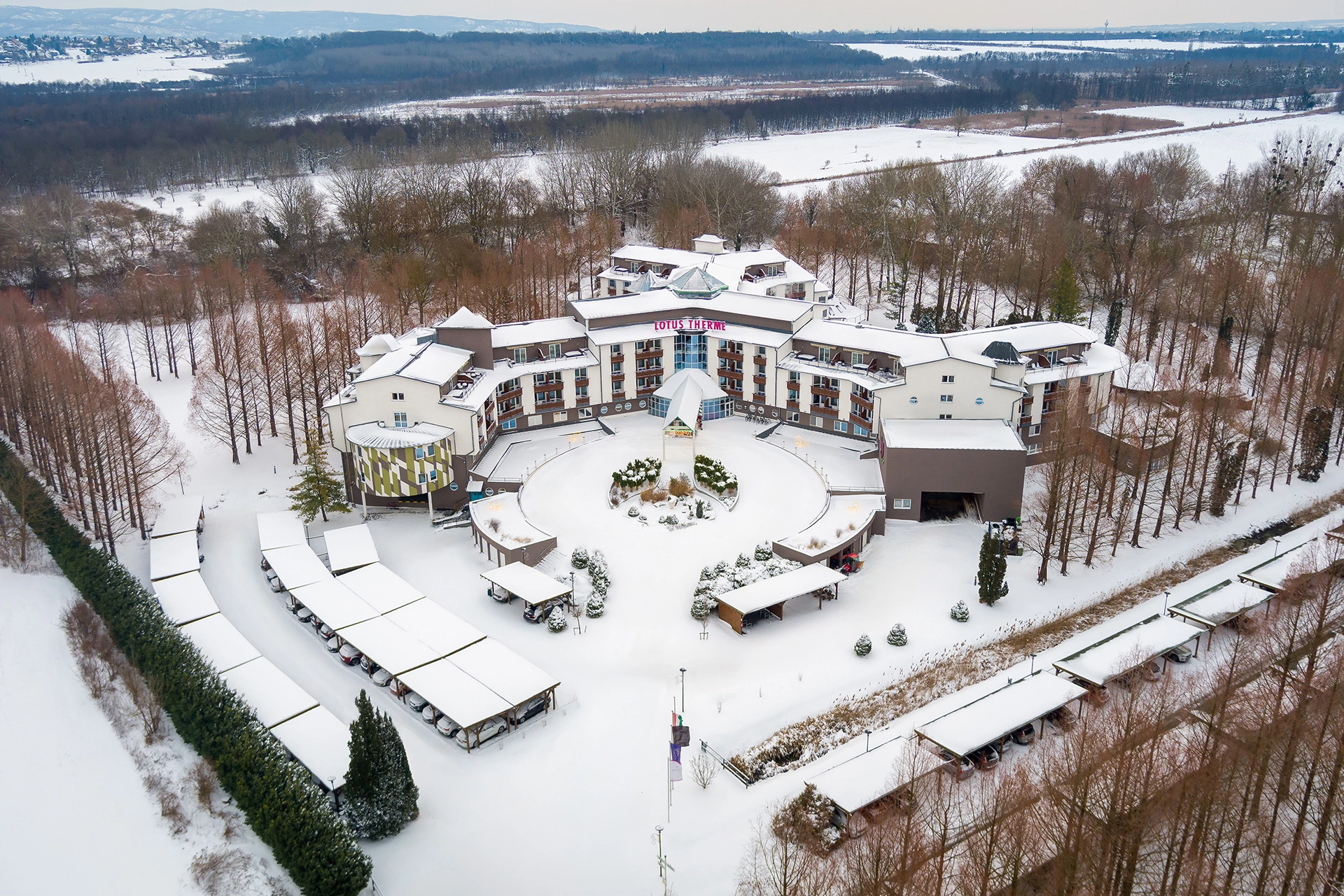
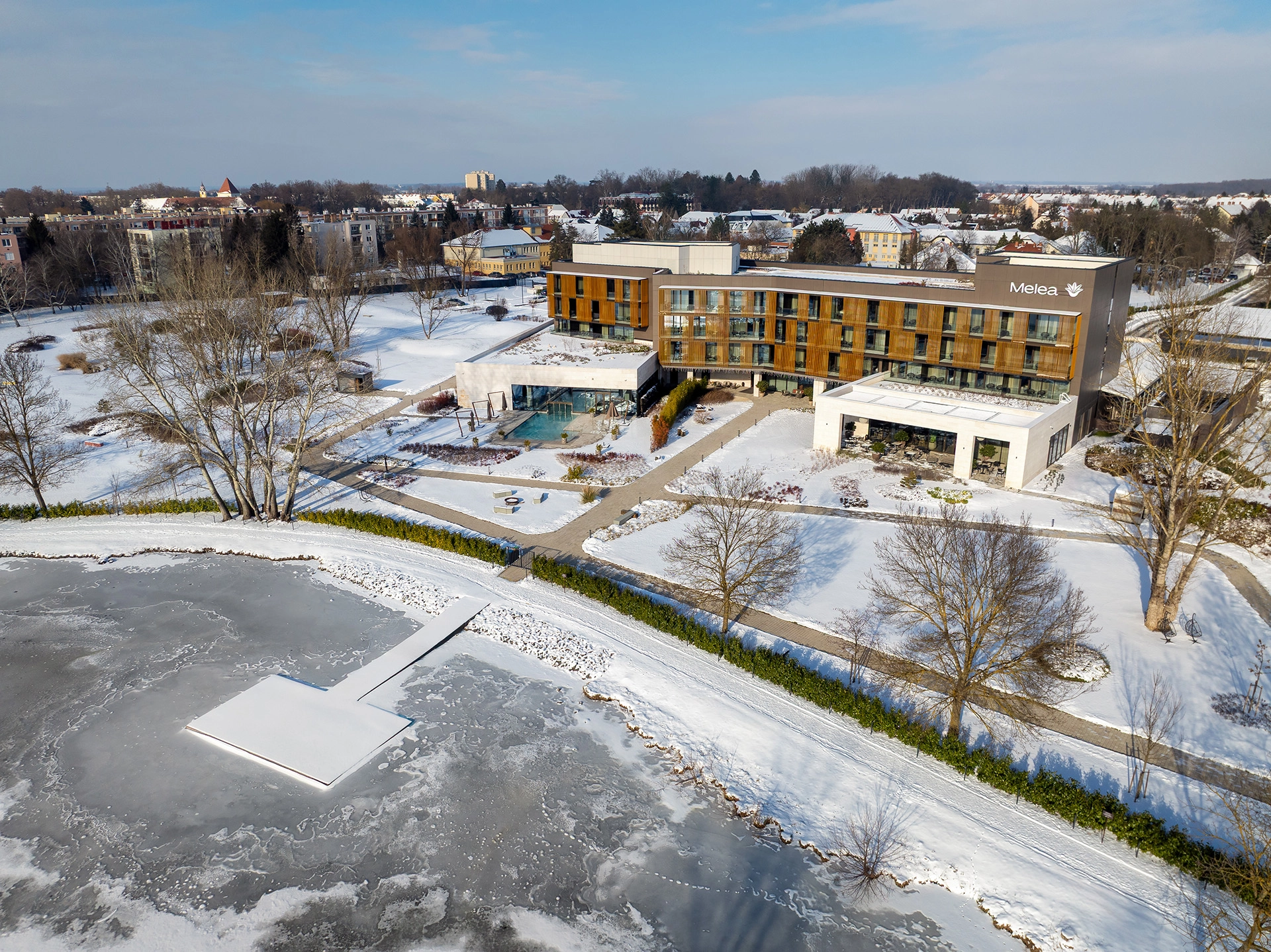
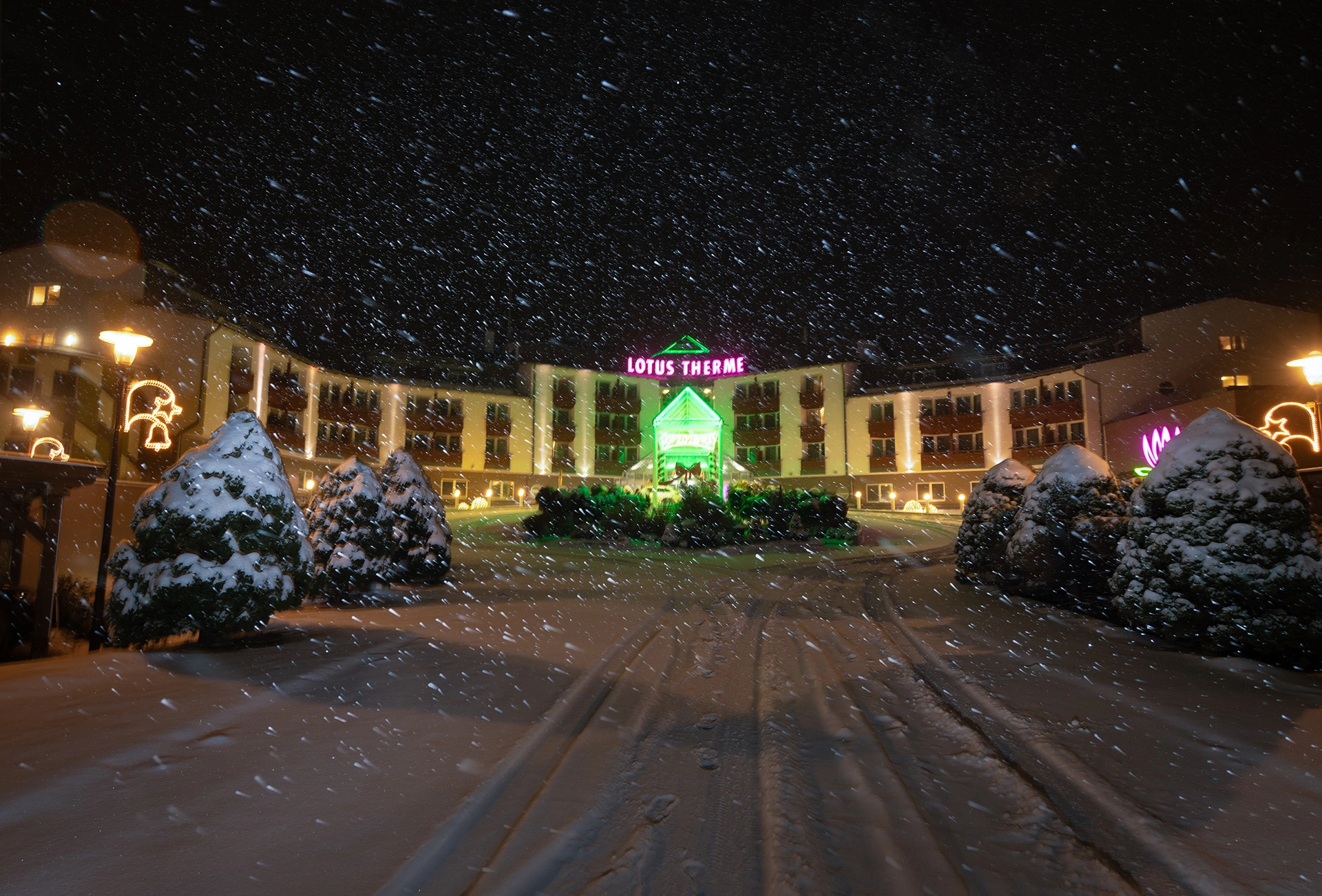
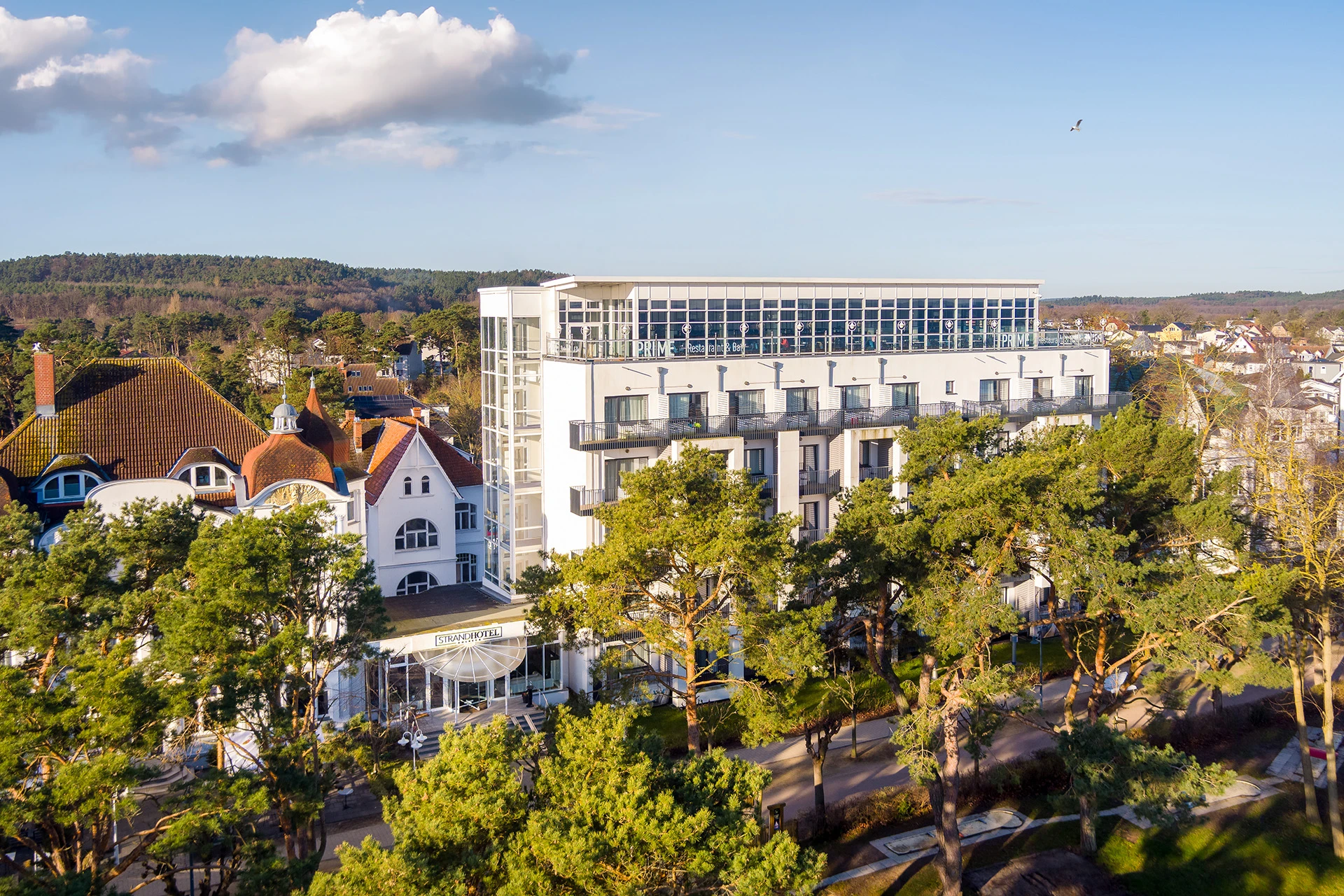
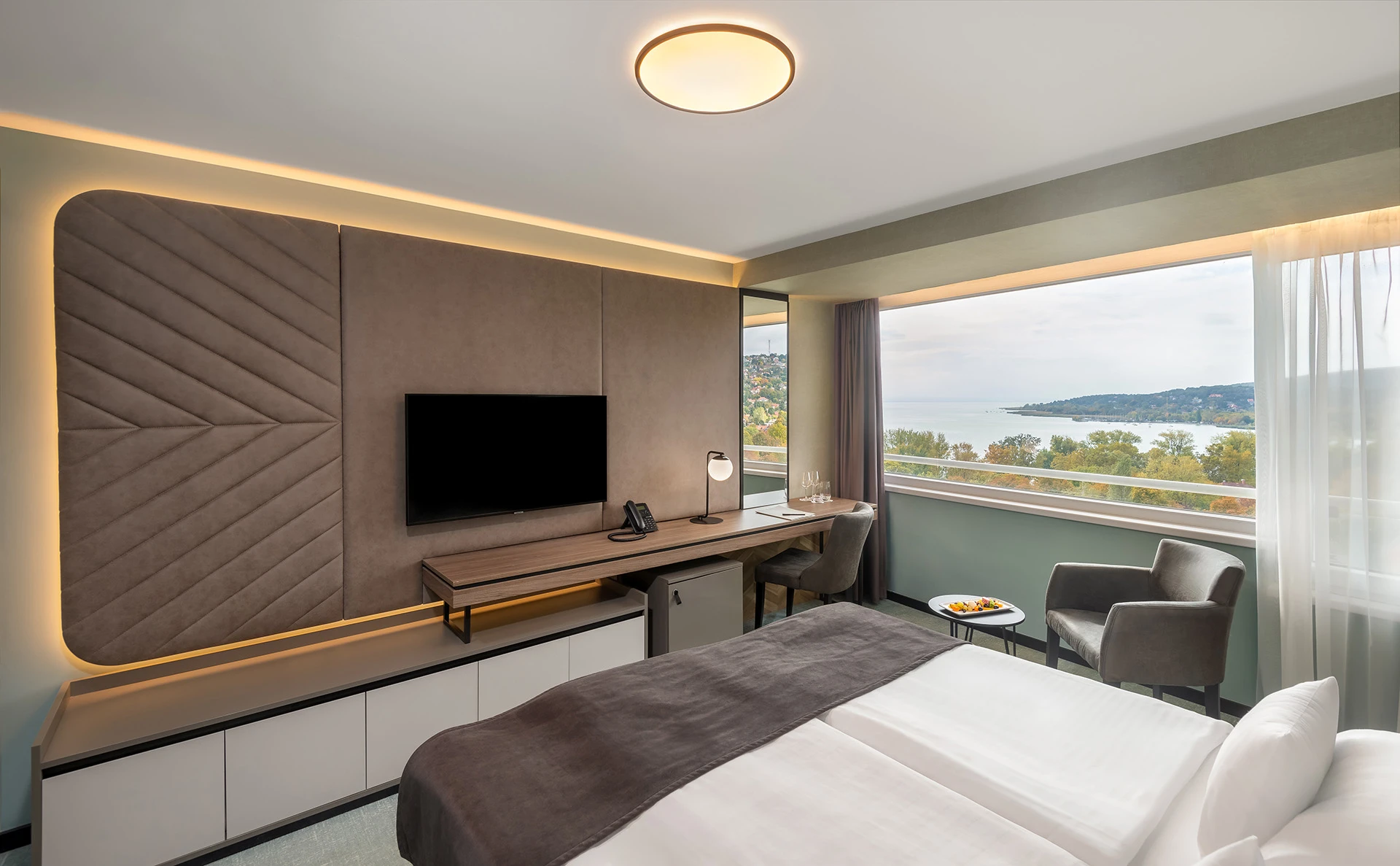
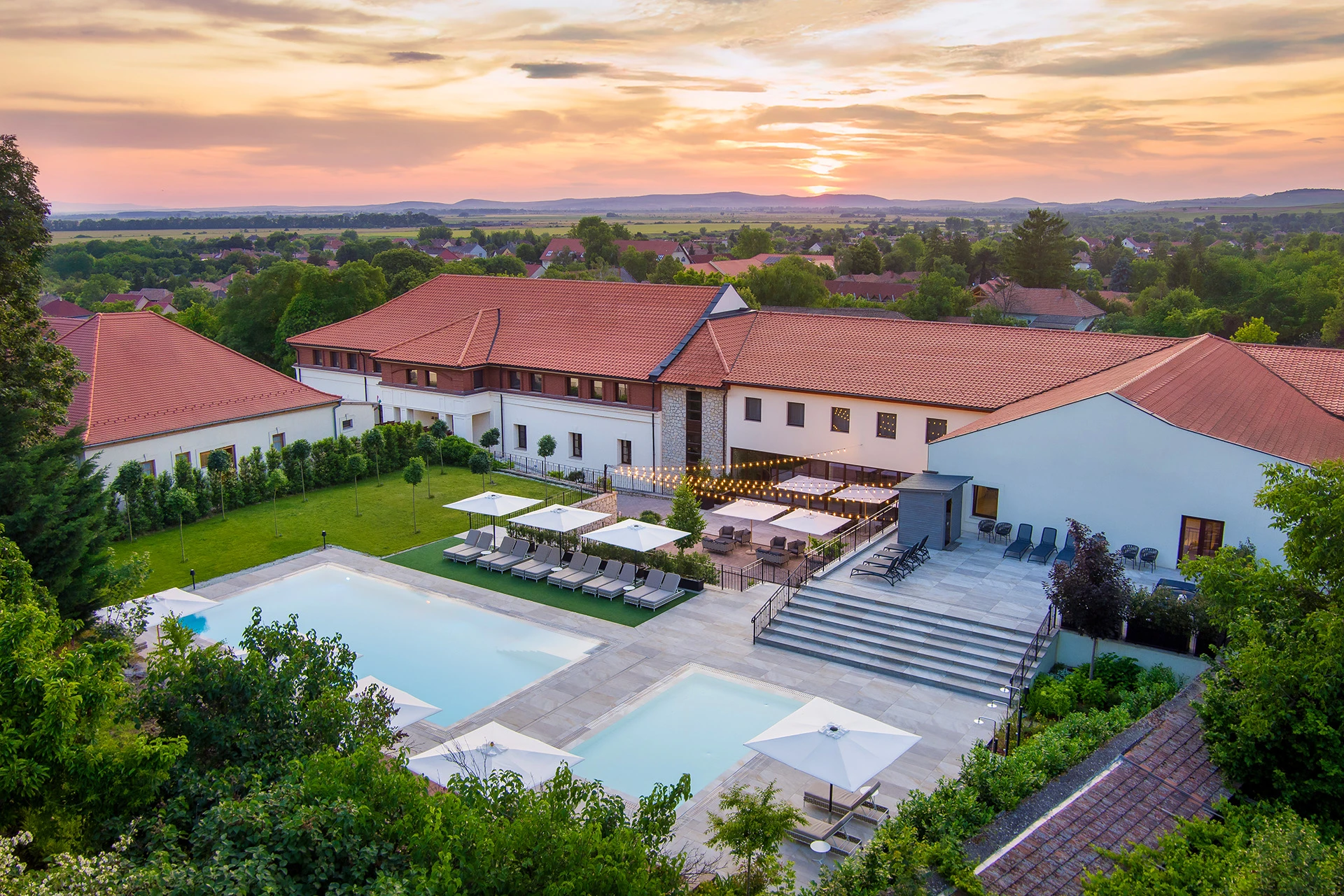
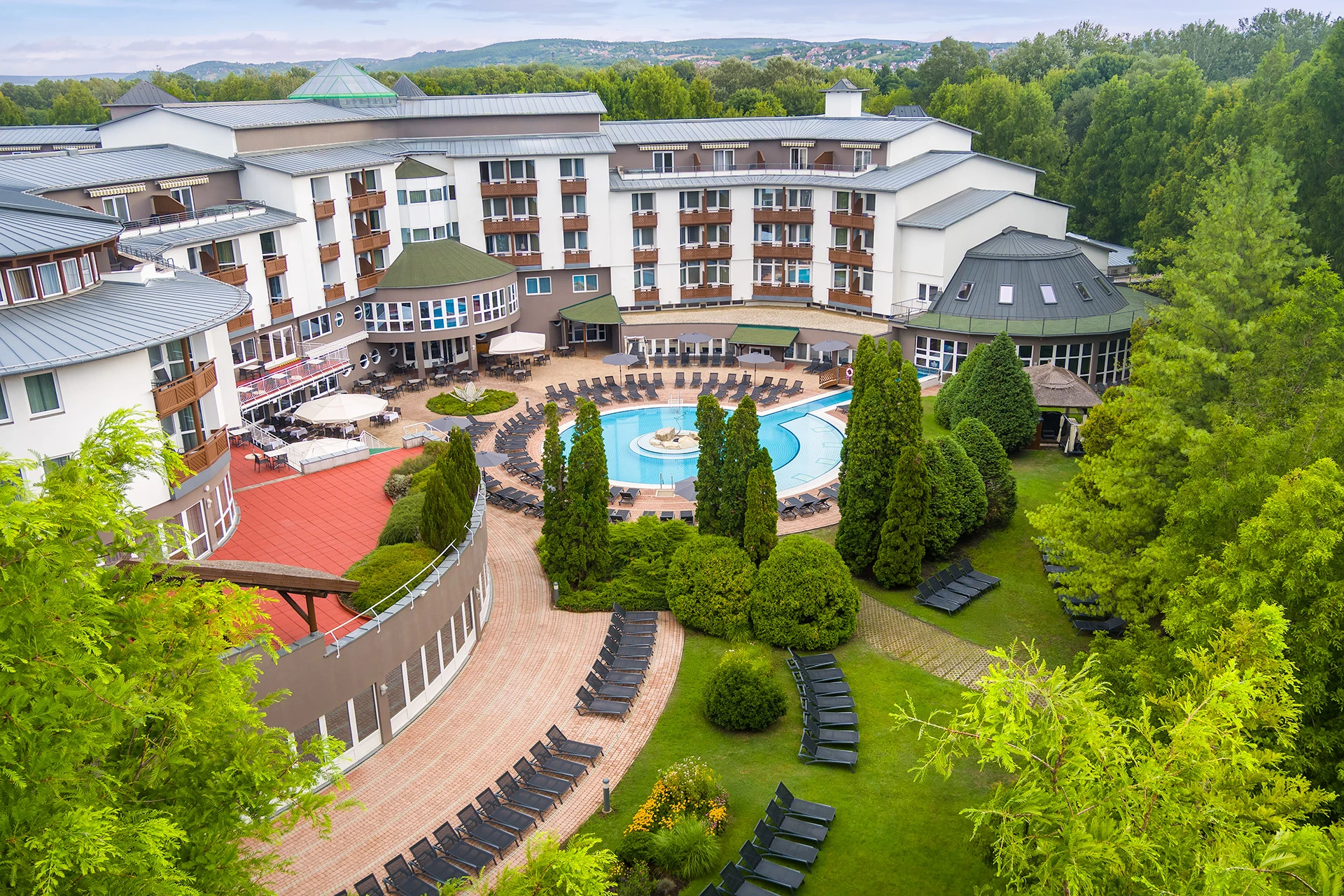
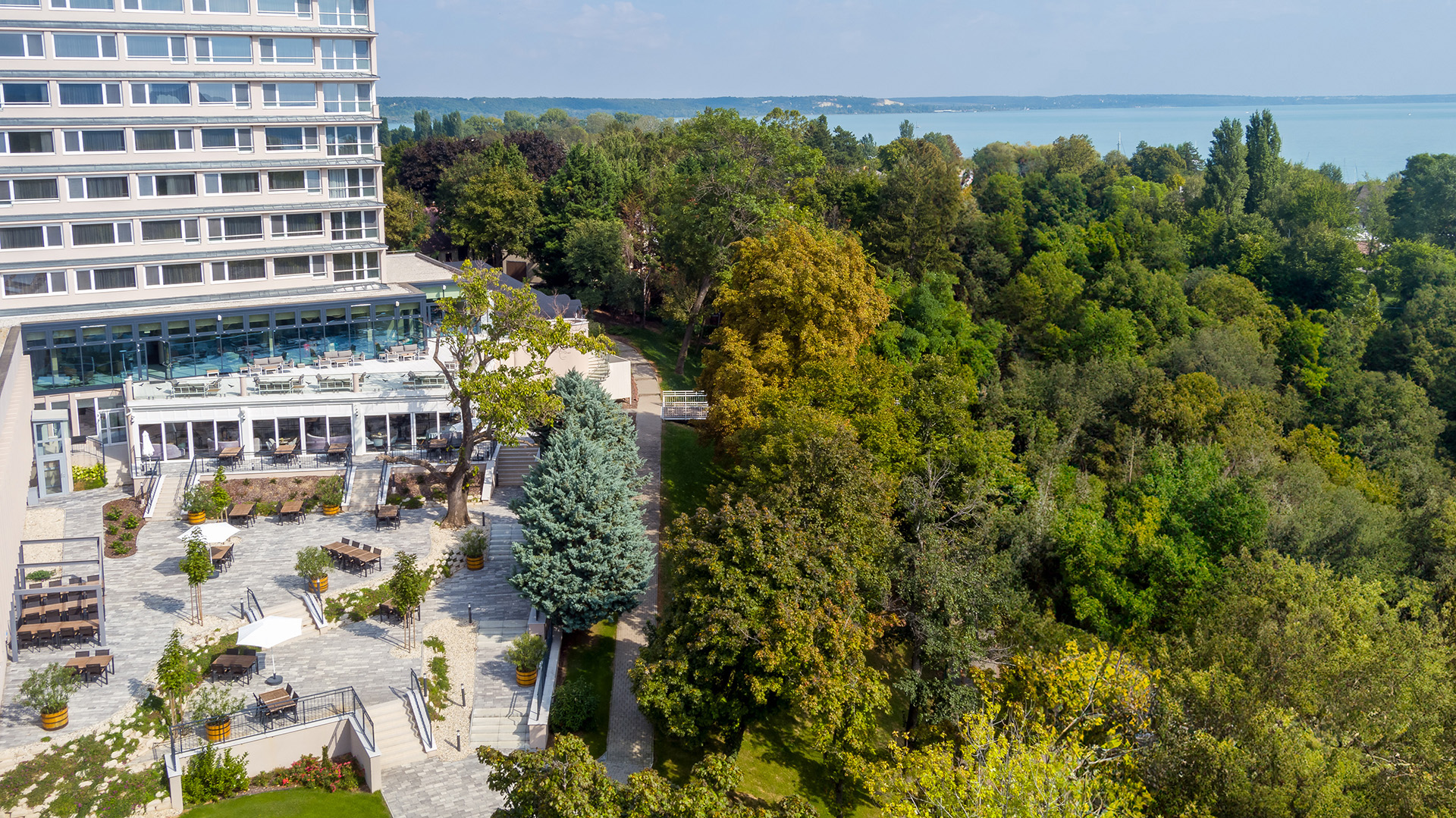
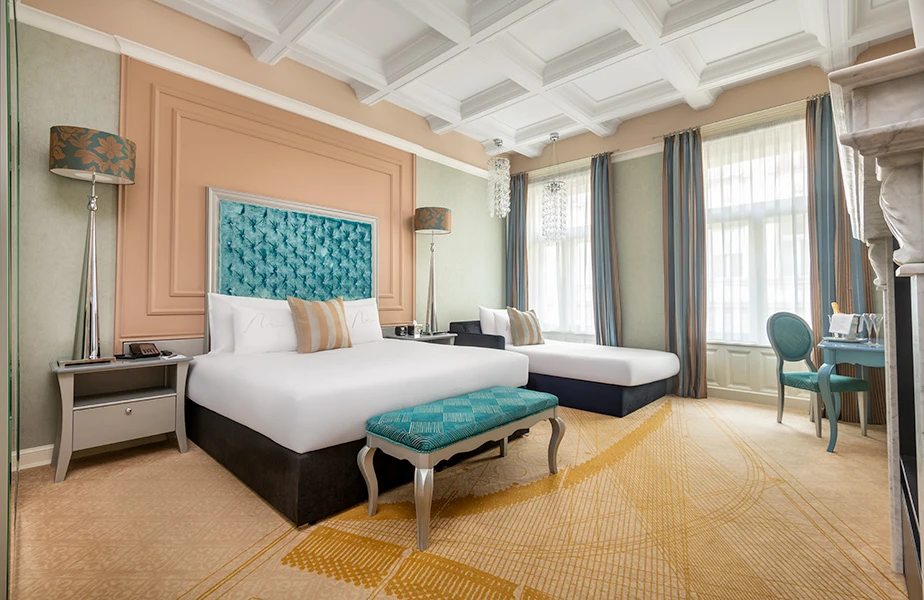
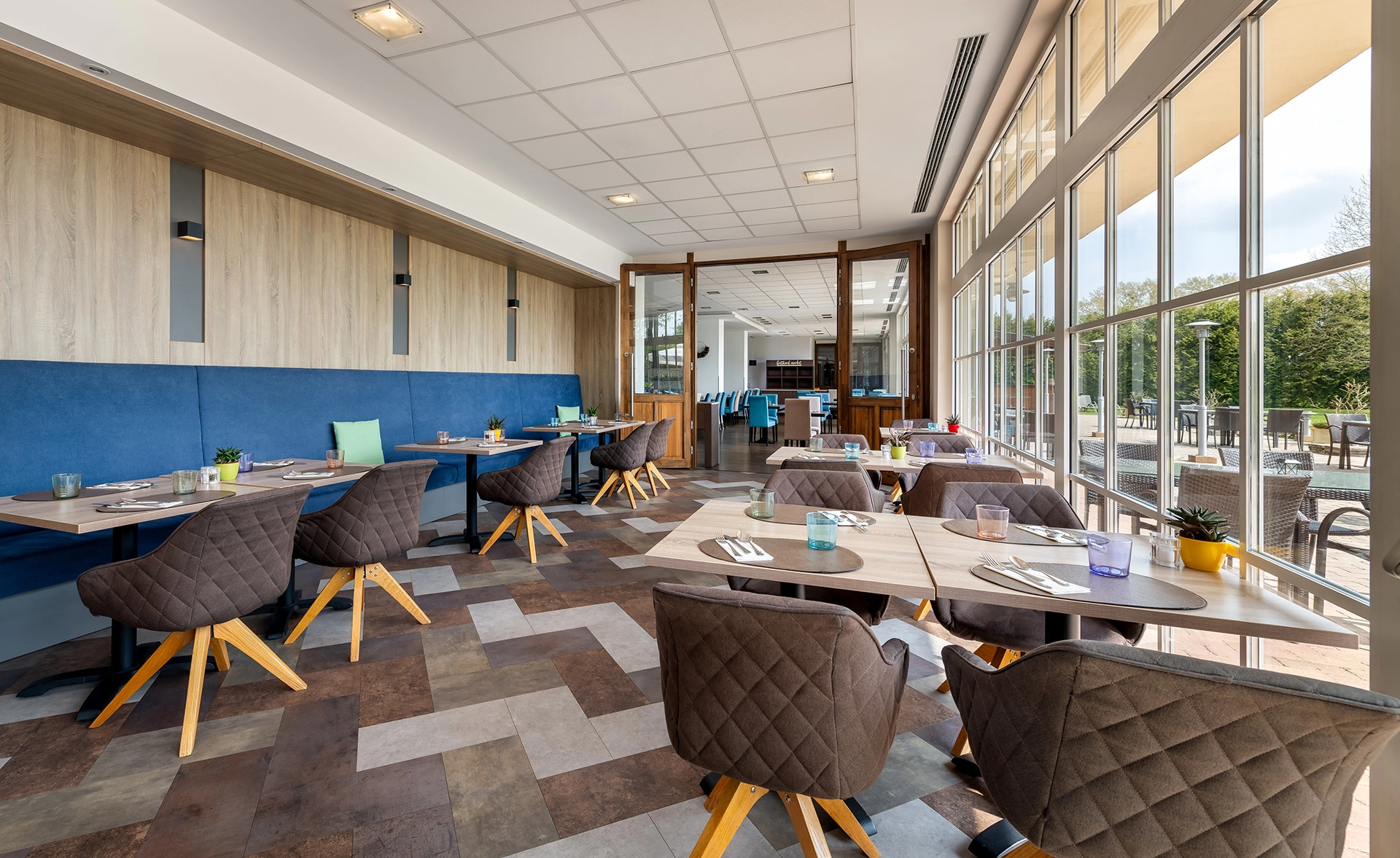
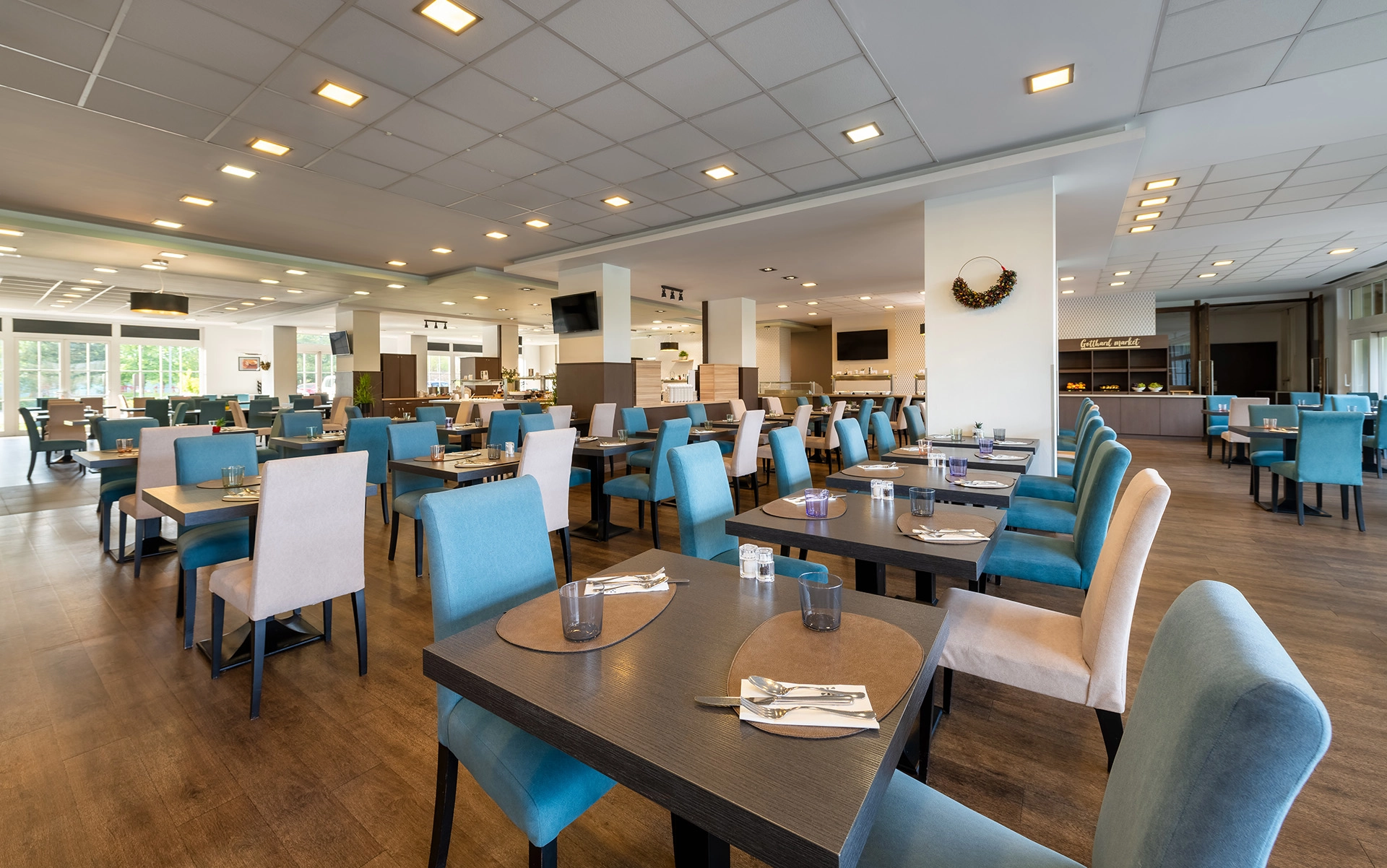
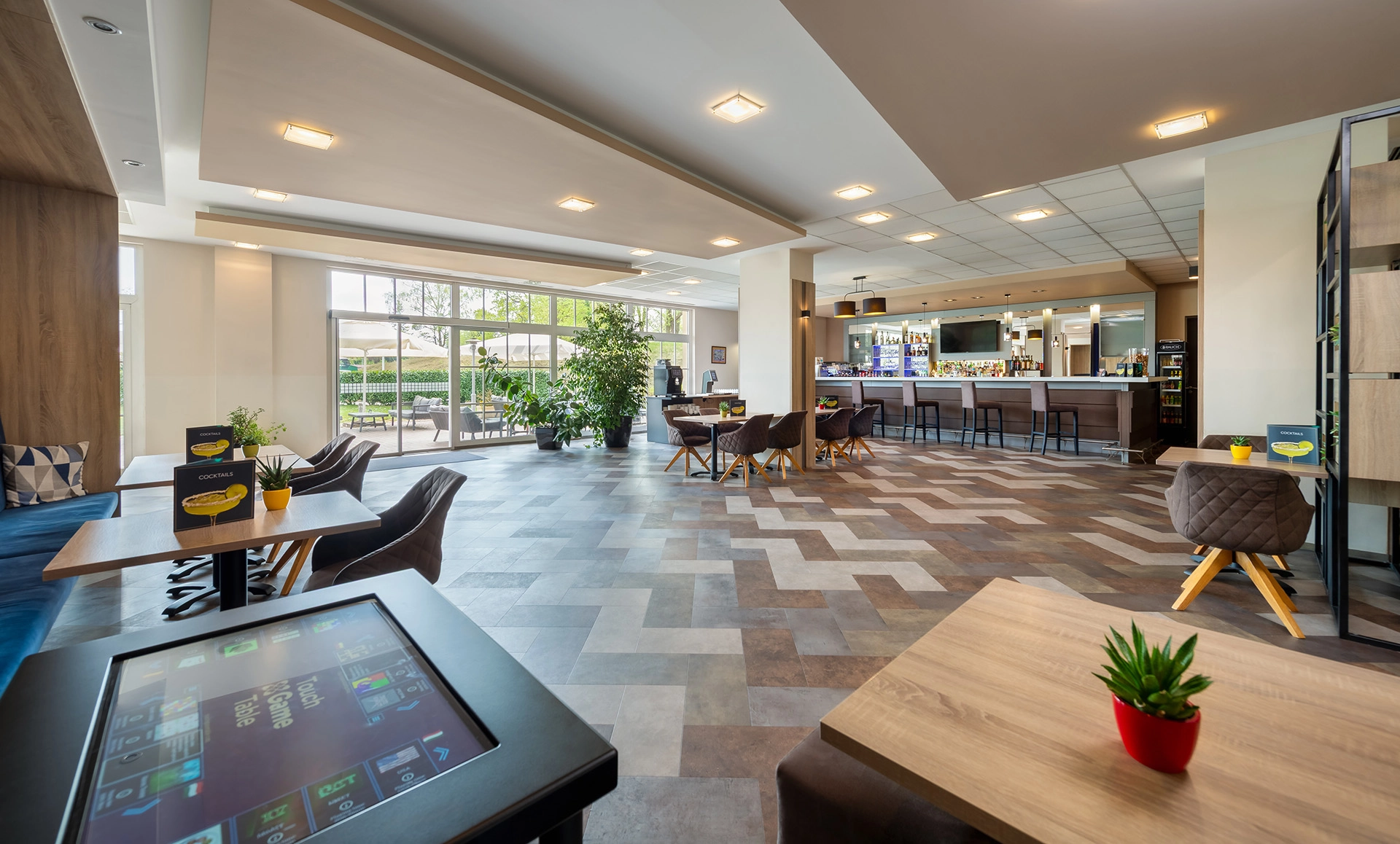
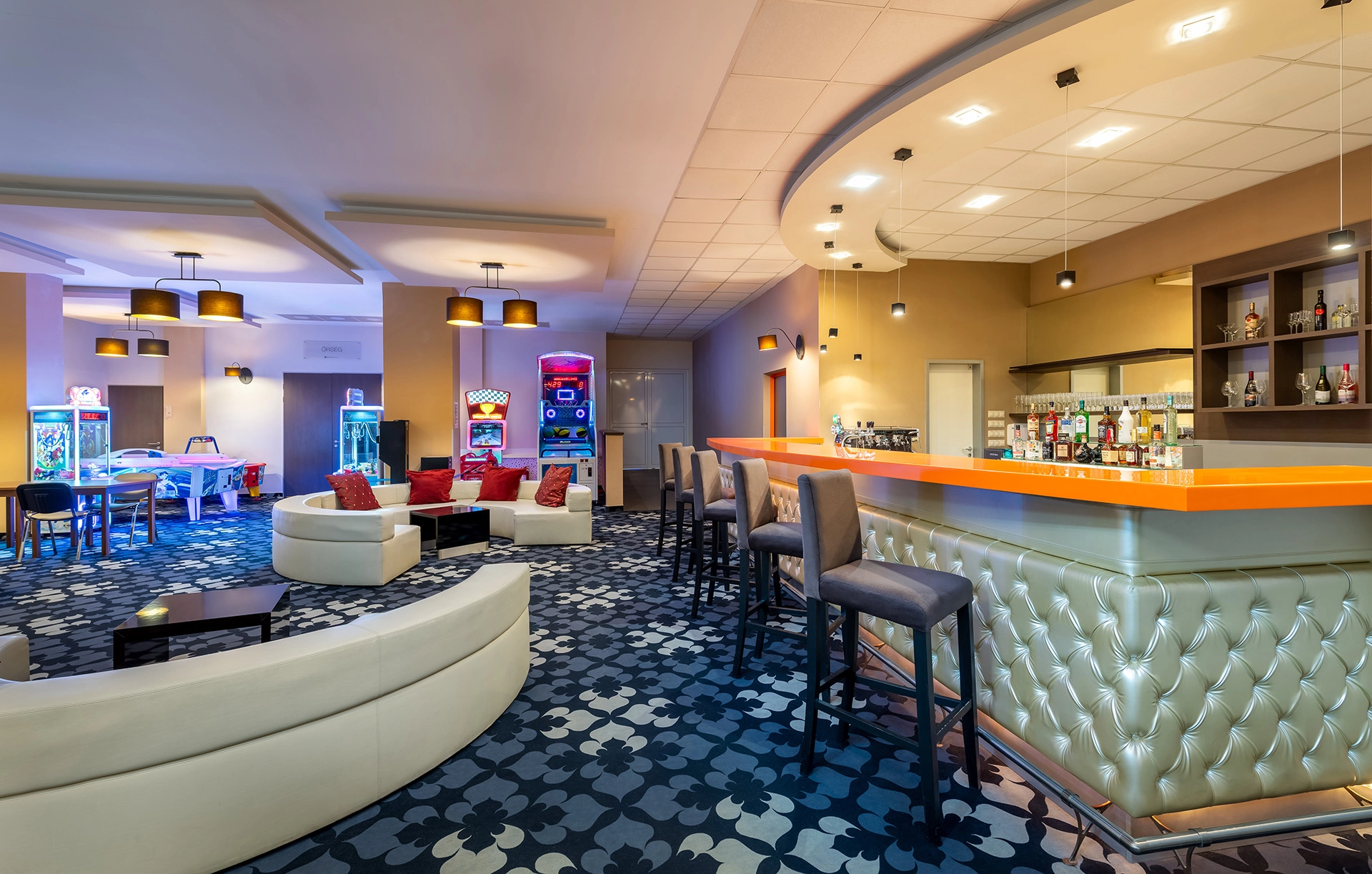
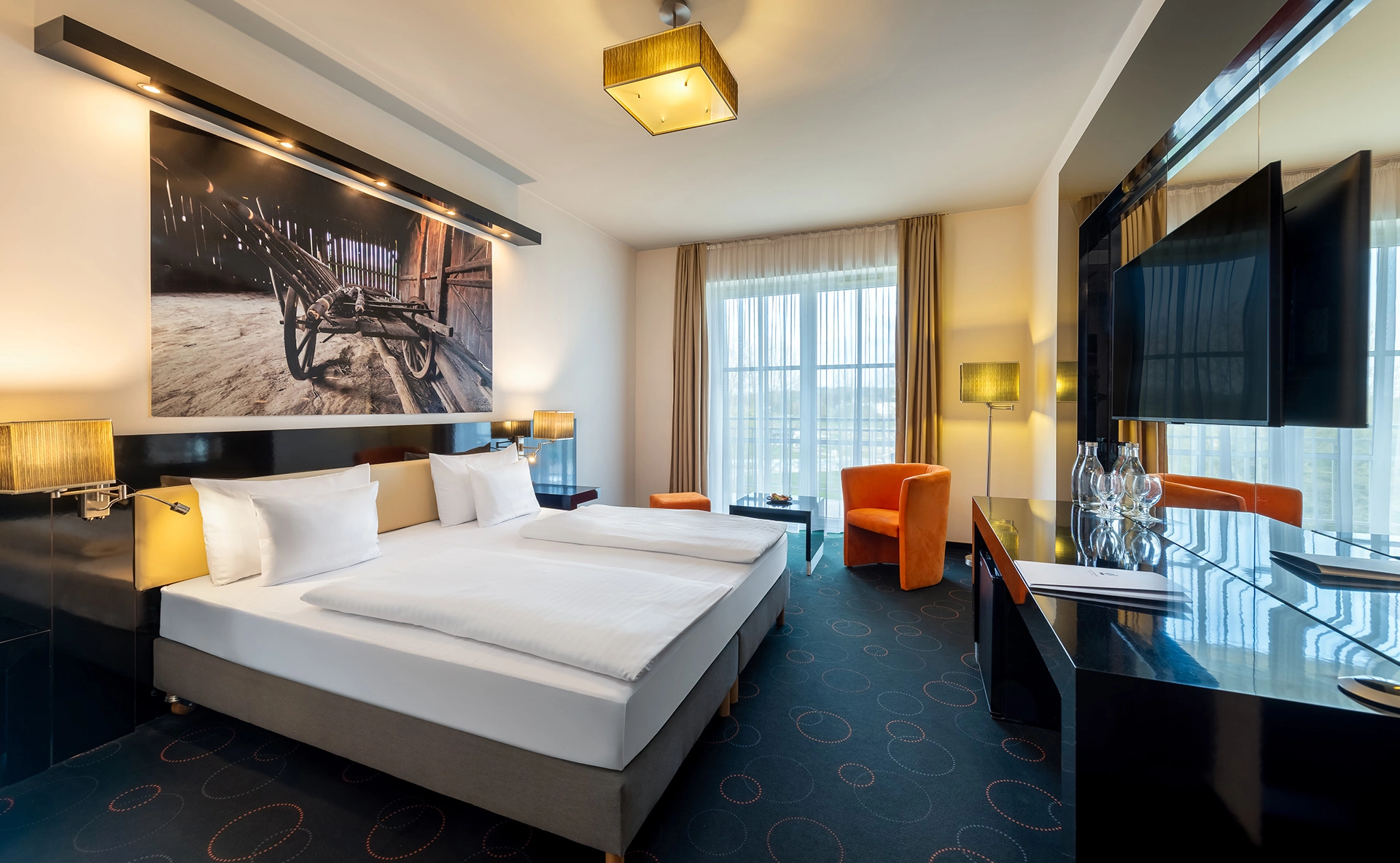
The assignment covered almost every major part of the property: eight room types, the restaurant, conference areas, the lobby, reception, two bars, exterior drone photography, and other interiors, such as a game room. Each space had a different function, lighting conditions, and role in the hotel’s communication.
The challenge was to make it all feel connected.
The production included:
This kind of project requires more than simply moving from one space to another with a camera.
Each area needs a different approach. Guest rooms need clarity, comfort, and accurate spatial representation. Restaurants need atmosphere and attention to detail. Conference spaces need functionality and scale. Public areas need to feel alive, but still clean and controlled.
The final set has to work as one coherent collection, even though the subjects are very different.
That consistency is one of the most important parts of complete hotel photography.
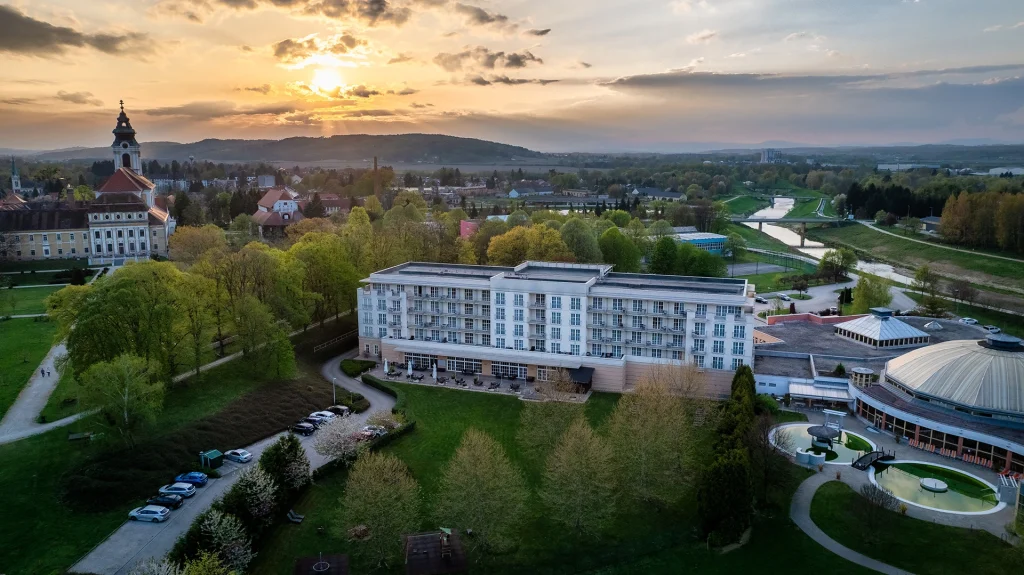
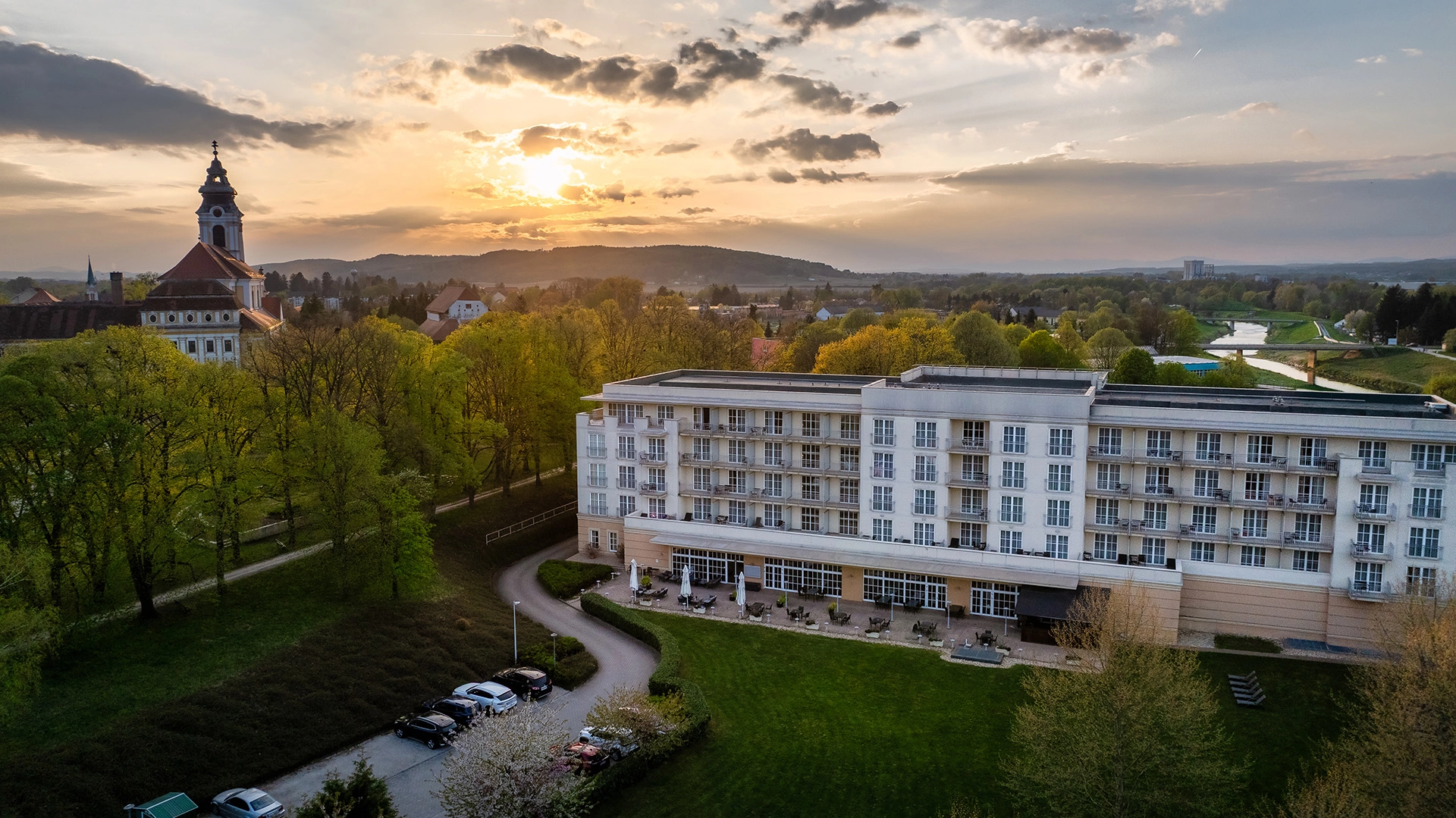
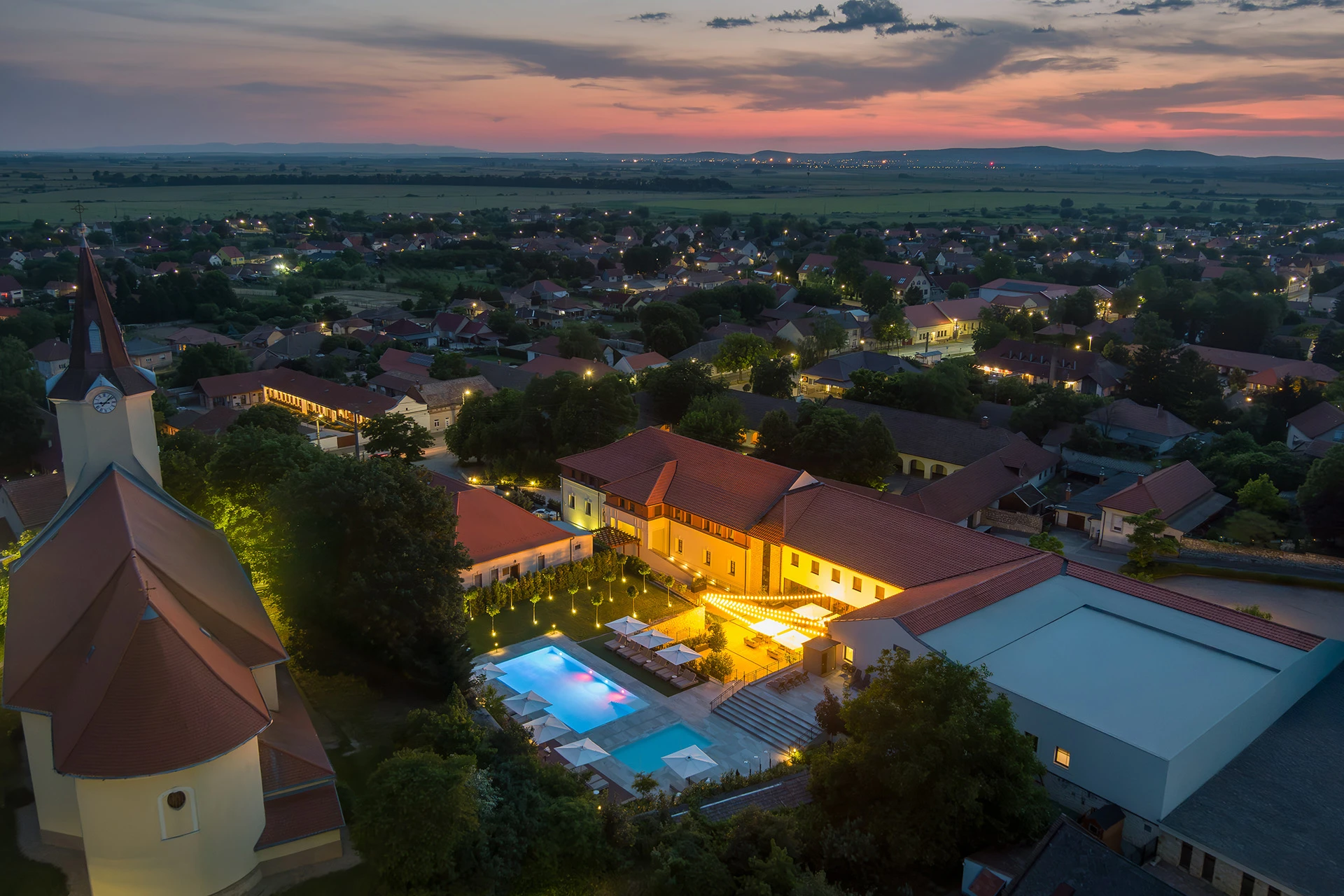
Exterior photography was one of the more unpredictable parts of the project.
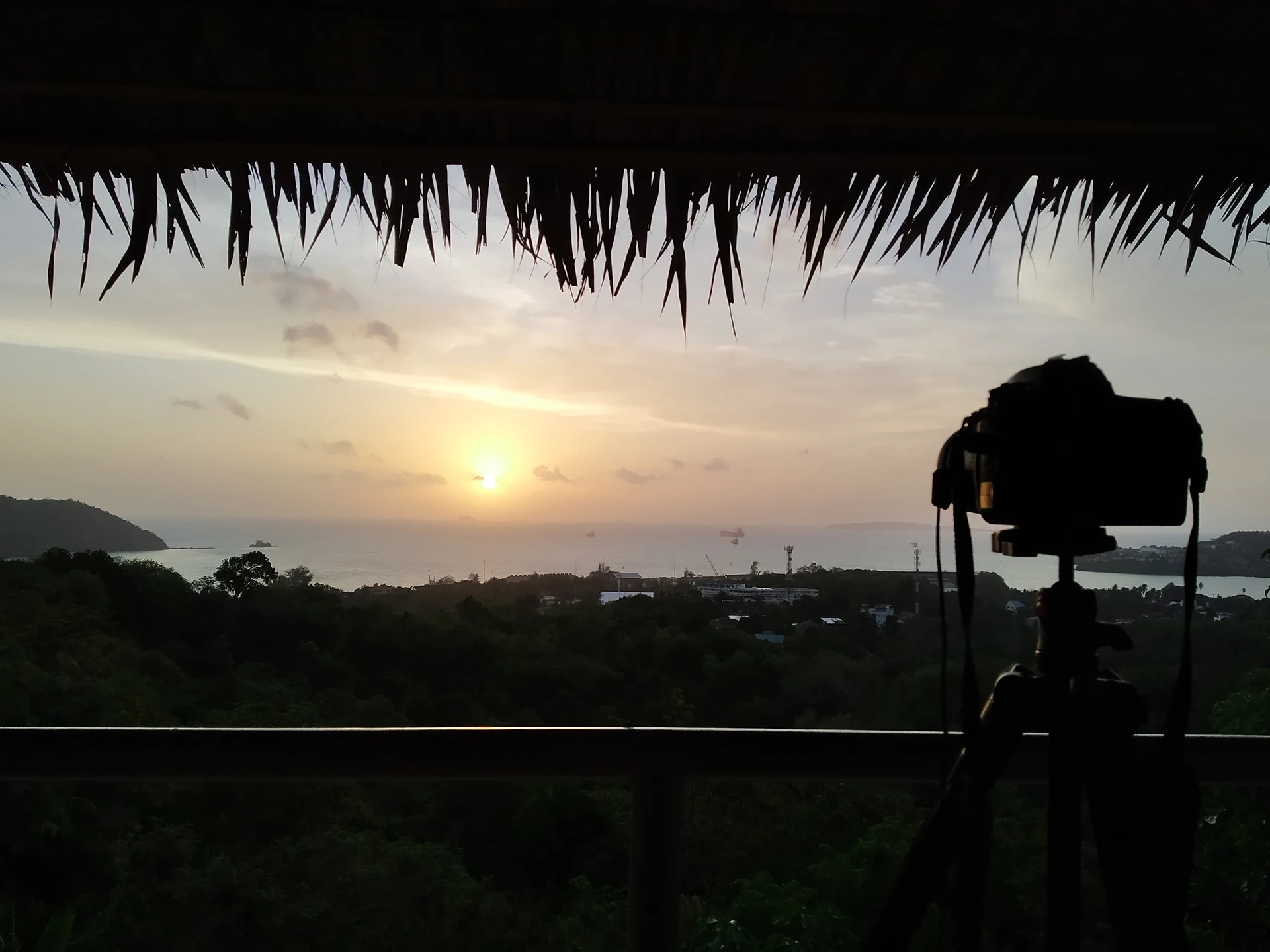
I woke up at dawn every day, hoping to catch a clean sunrise. For three consecutive days, the sky stayed cloudy. The early starts were still necessary because with exterior and drone photography, the right conditions can appear briefly and disappear just as quickly.
But in this case, the mornings simply did not deliver the light I was hoping for.
This is a common reality in hotel photography. You can plan carefully, arrive early, and still have no control over the weather. The only option is to keep adjusting the schedule and stay ready for the moment when conditions finally improve.
On the last day, just before leaving, the weather finally opened up enough for a sunset exterior.
That short window became essential for completing the project.
Another challenge was working in spaces that were in use by guests.
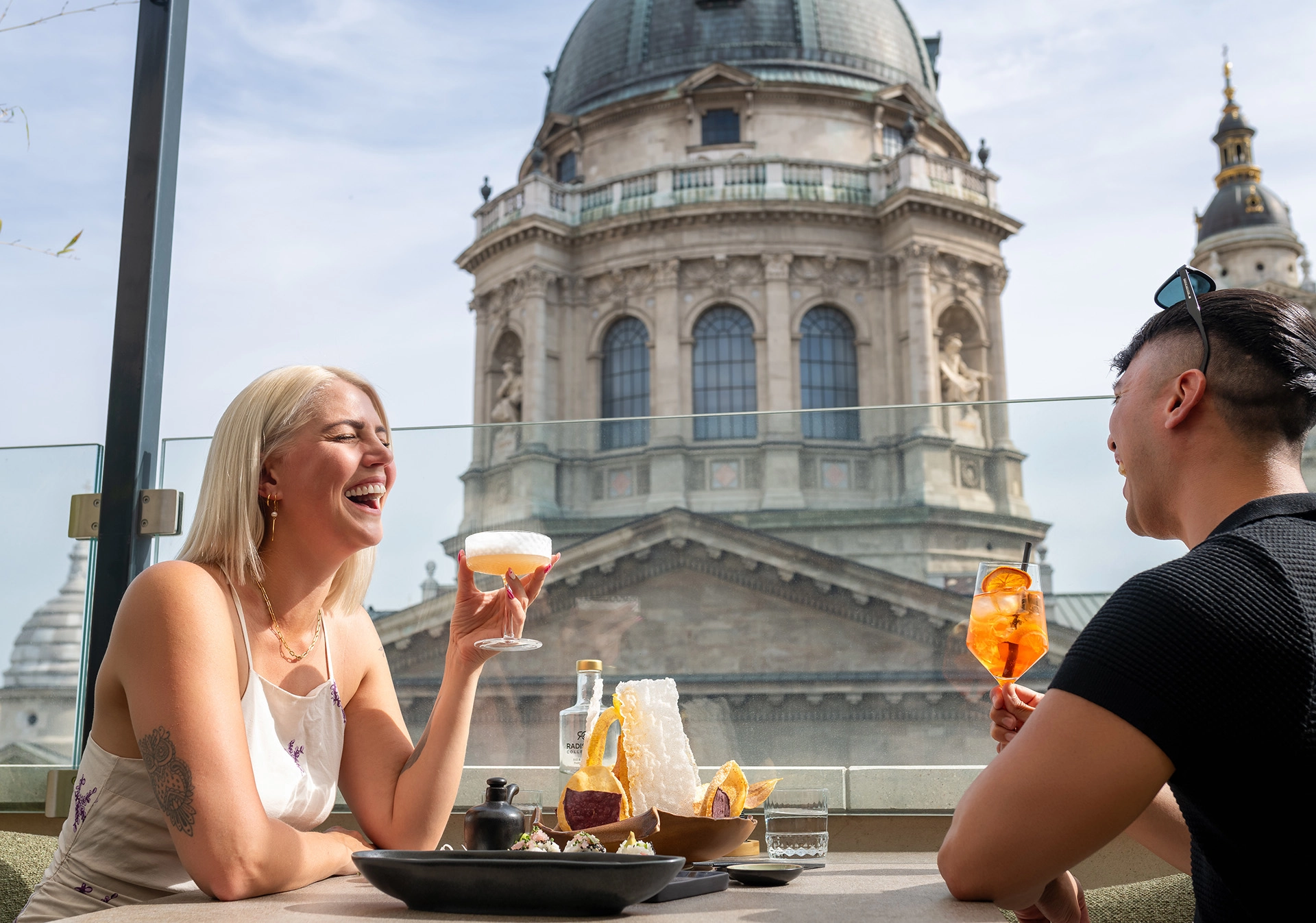
The lobby, reception, bar areas, and à la carte restaurant could not be treated as mere studio sets. Guests were moving through them, staff were working, and the hotel had to continue operating.
This makes the process slower and more delicate.
You have to wait for small gaps, adjust compositions quickly, and work around real activity without disrupting the guest experience. In some cases, a clean image is the result of patience more than setup.
Controlled spaces are easier.
Operational spaces are real.
For hotel photography, that distinction matters. A property does not stop being a hotel because a photoshoot is happening. The work has to fit around the reality of the business.
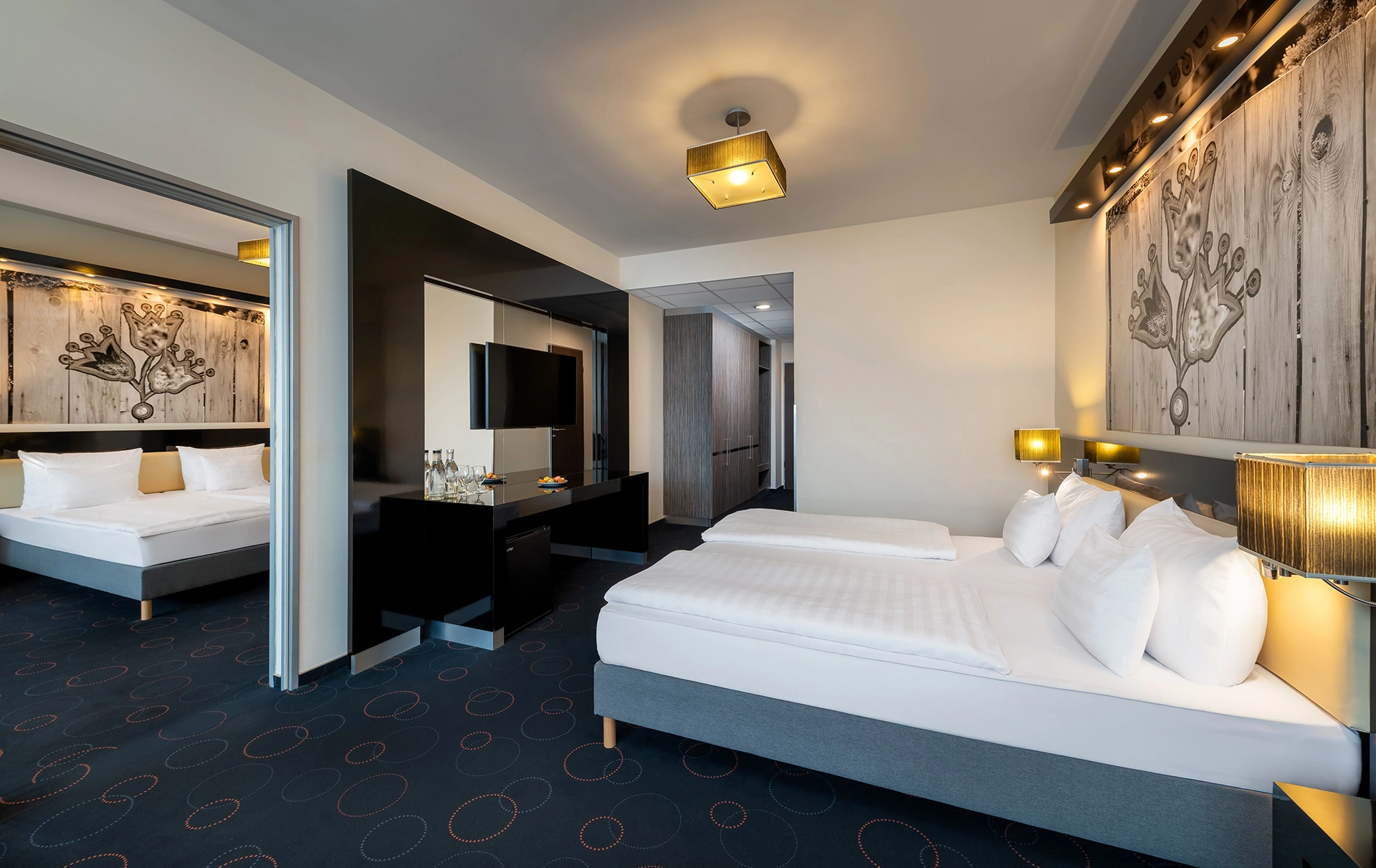
The eight room types were a major part of the shoot.
Room photography needs to be precise. The images have to show layout, comfort, design, and natural flow. They also need to be useful commercially, especially on booking platforms where guests can quickly compare room categories.
At the same time, the public areas needed a different visual language.
The lobby and reception had to communicate arrival and first impression. The bars needed atmosphere. The restaurant needed warmth and detail. The conference spaces needed structure and usability.
The goal wasn’t to make each individual space look separate or overly impressive. Instead, it was to ensure the entire hotel has a consistent visual style.
That affects everything:
Without consistency, a hotel image set can quickly feel fragmented. Strong images still need to belong together.
The shooting days are only part of a project like this.
After the photography was finished, post-production took approximately 14 hours per day for 8 days.
That part of the work is less visible, but it is where the final consistency is built.
Post-production included image selection, correction, retouching, colour matching, perspective control, removing visual distractions, and preparing the final delivery. For a large hotel project, the goal is not only to polish individual images but also to ensure the entire collection feels coherent.
A room image, a restaurant image, a bar image, and a drone exterior should not feel like they came from four different shoots.
That is where the real value of post-production comes in.
A hotel shoot isn’t just about taking photos; it’s a strategic tool for sales, marketing, and communication. The images should serve various purposes like encouraging bookings, shaping brand image, supporting presence on online travel agencies, social media, press, and internal sales materials.
That is why full hotel photography requires a wider perspective.
You are not only asking:
Does this image look good?
You also have to ask:
What does this image need to do?
For Szentgotthárd Therme Hotel, the answer varied across spaces, but the overall goal remained the same: create a complete, reliable, and consistent visual representation of the property.
This project was a reminder of what full hotel photography actually involves.
The project involved early mornings, adapting to weather, careful work in guest areas, diverse interiors, exterior drone shots, and a lengthy post-production process. The final outcome focused on capturing the entire hotel, not just a single hero image.
And that is the real difference between photographing a space and photographing a complete property.
Receive the latest photography tips, trends, and exclusive offers straight to your inbox.
All Rights Reserved © 2025 | Zoltan Gali