A behind-the-scenes look at a two-day hospitality photography project at Lotus Therme Hotel & Spa, capturing interiors, food, cocktails, wellness and guest rooms.
A Two-Day Hospitality Photography & Video Project at Lotus Therme Hotel & Spa
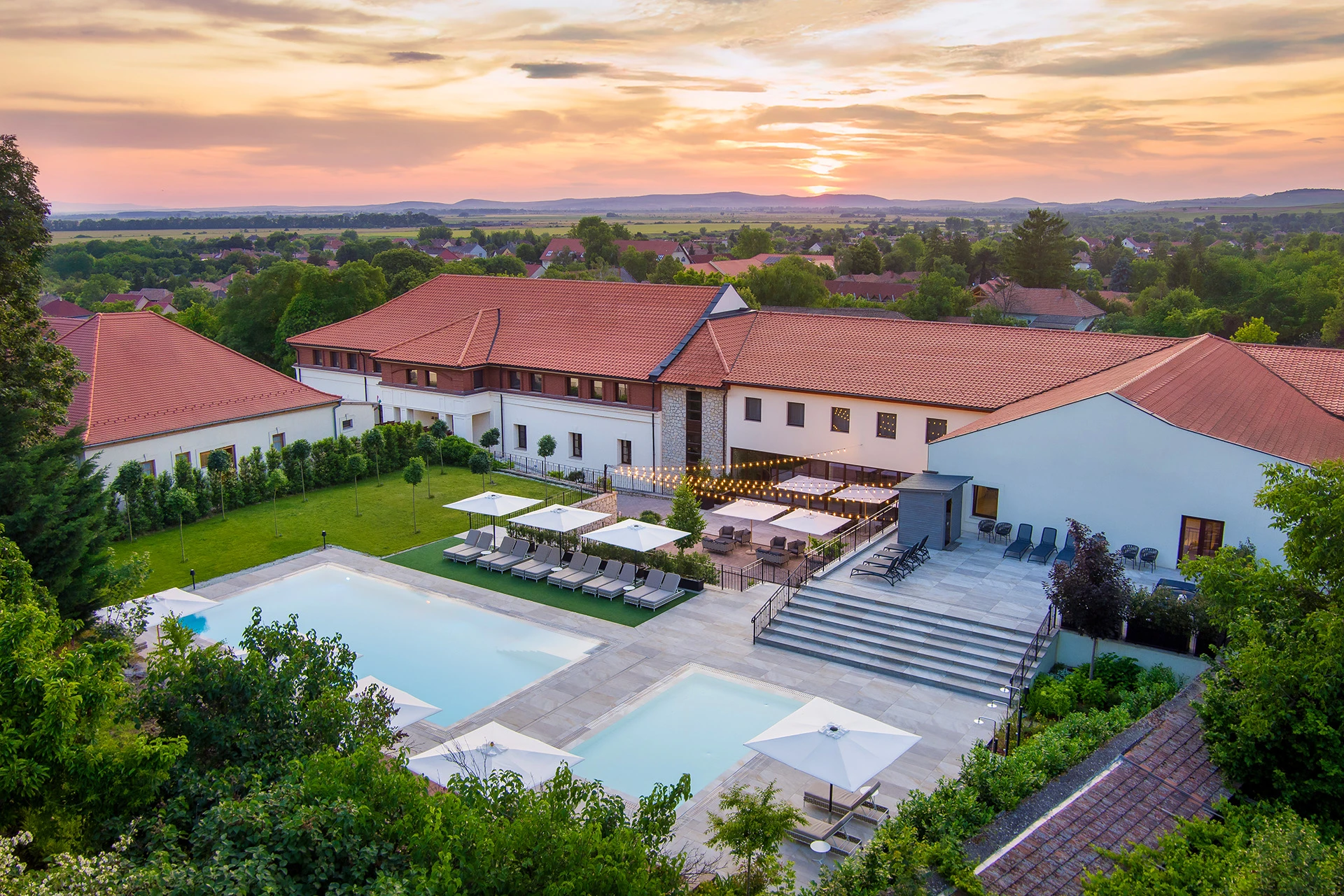
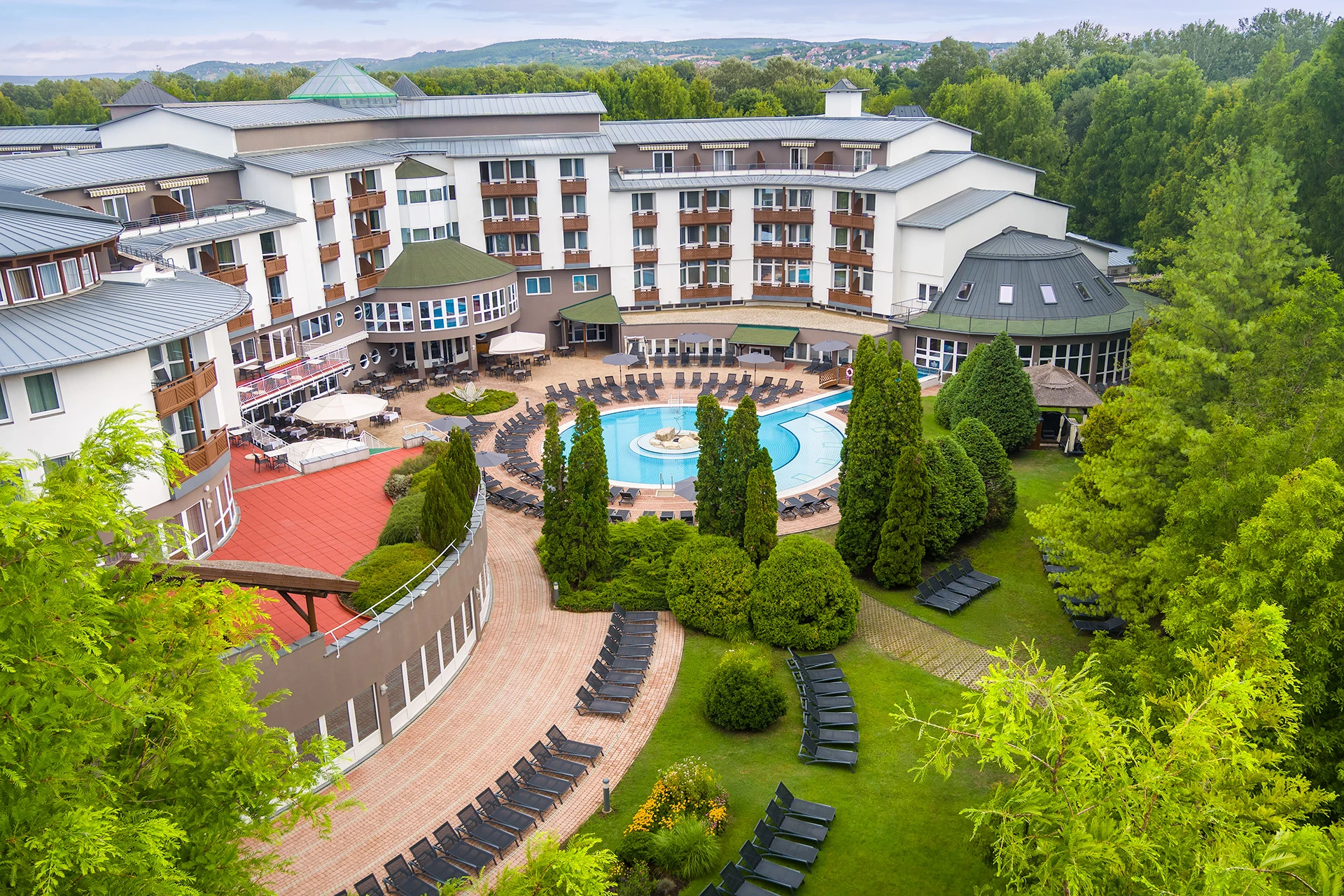
In December, I worked on an intensive two-day photography and video project at Lotus Therme Hotel & Spa, a 5-star wellness hotel in Hévíz. The scope was broad, the timeframe tight, and the visual requirements varied significantly across departments.
The challenge was not volume. It was moving rapidly between very different photographic genres while maintaining a consistent visual language that reflects the hotel as a single, cohesive brand.
Over the course of two days, the project covered:
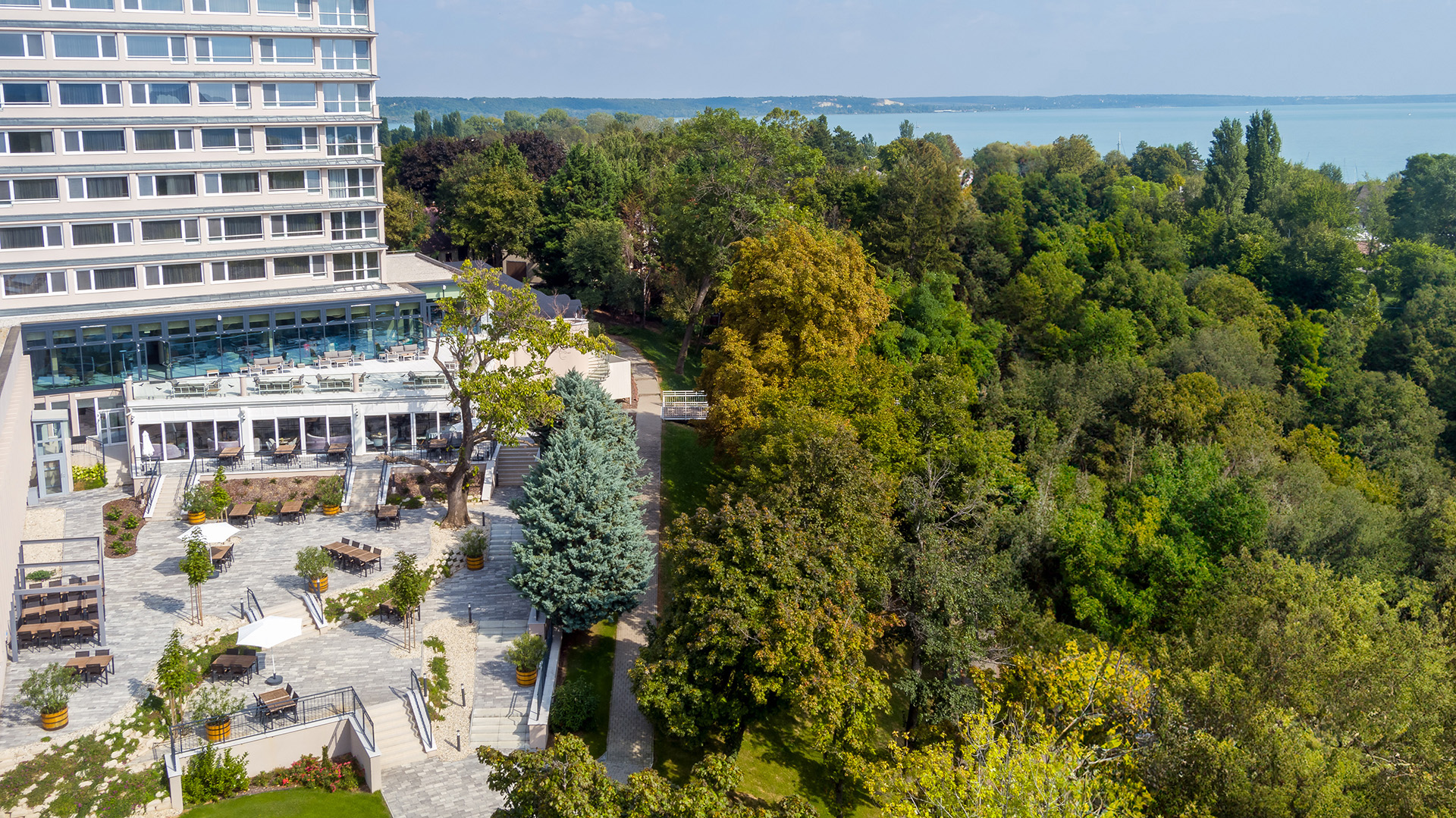
Interior photography
Lobby café product photography (coffee and desserts)
Kitchen action and food preparation
Restaurant food photography set in context
Cocktail-making process and bar imagery
Night-time wellness photography and video
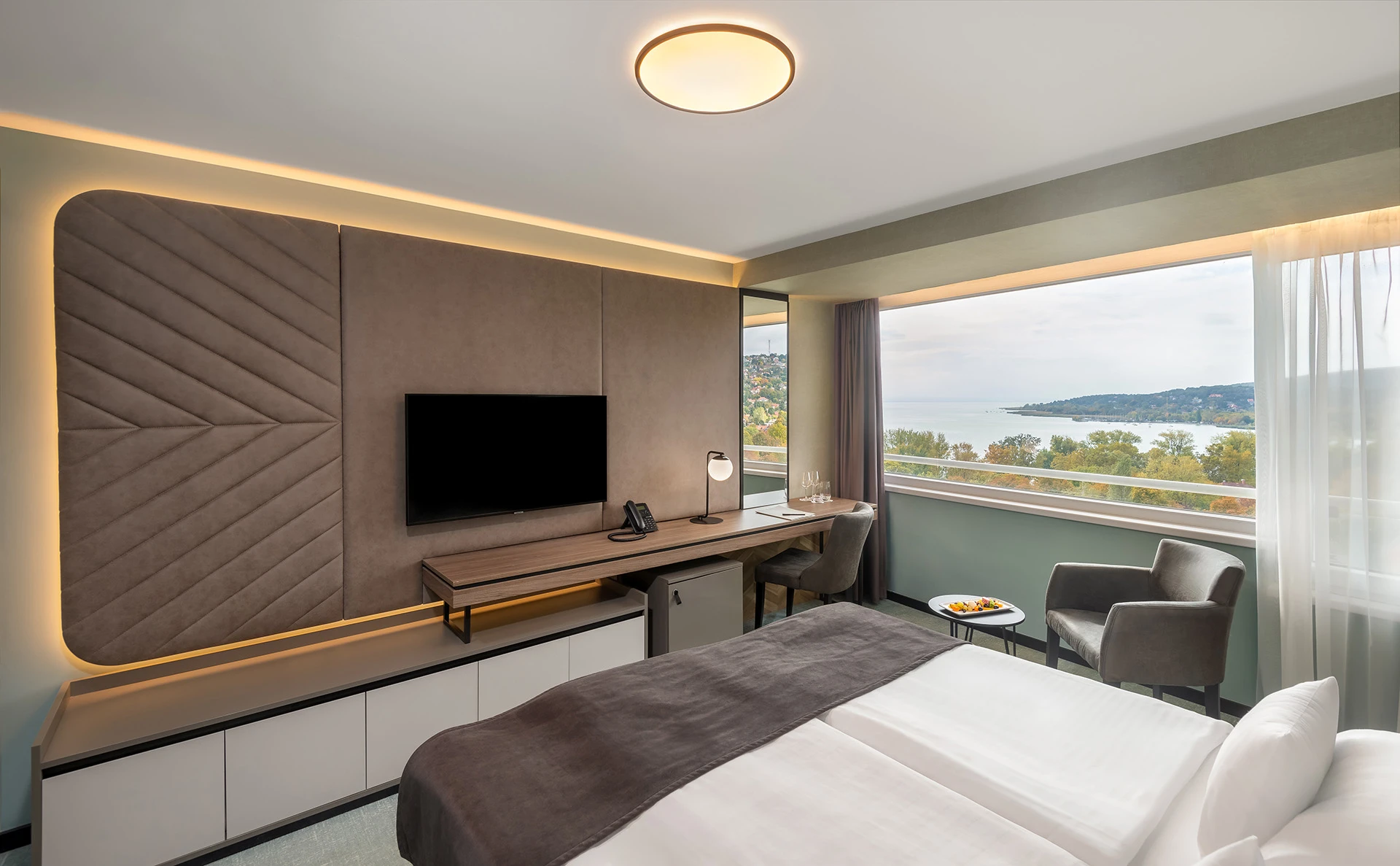
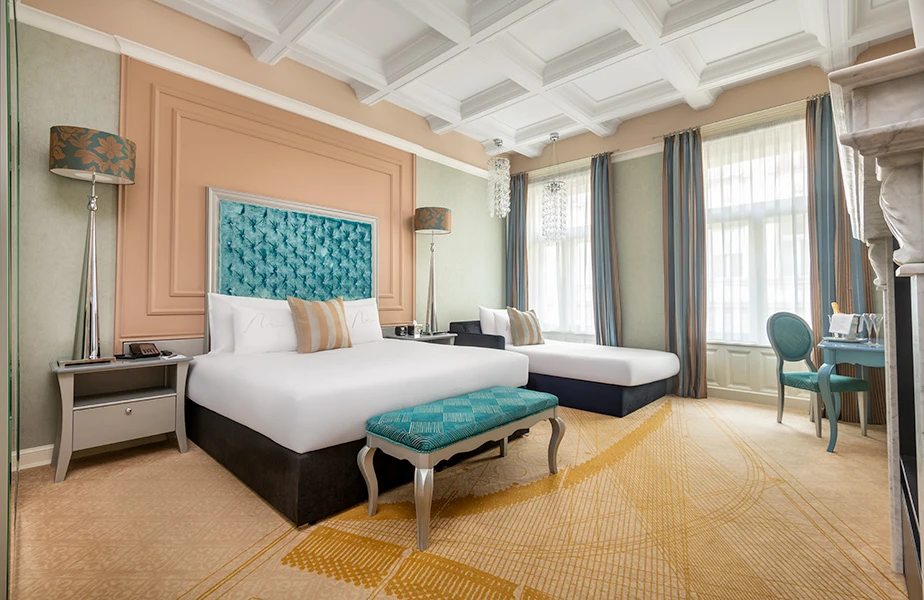
Guestroom mock-up photography
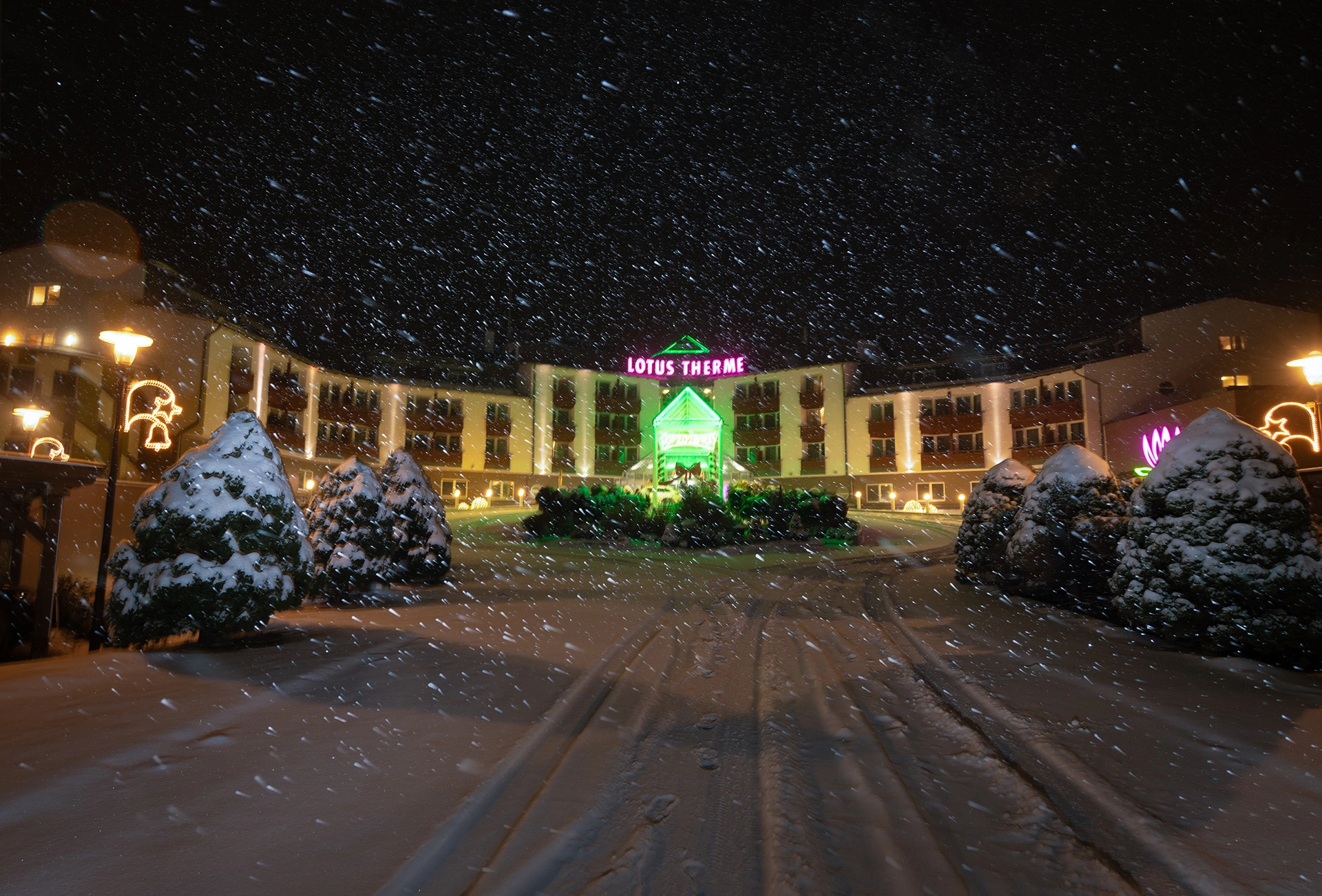
Seasonal Christmas atmosphere imagery
Each of these areas comes with its own technical, creative, and logistical demands. Combined into one project, careful preparation and fast decision-making became essential.
Planning Before Speed
One of the key factors that made this project manageable was a clear and detailed brief, particularly regarding food and cocktail imagery. Knowing in advance what needed to be delivered allowed for realistic scheduling, lighting considerations, and efficient transitions between setups.
When time is limited, clarity upfront becomes the foundation. It reduces hesitation on set and allows creative energy to be spent on execution rather than problem definition.
One Hotel, Many Departments, One Visual Identity
Large hotels function as collections of individual experiences. A lobby café has very different visual needs from a wellness area. A restaurant communicates differently from a guestroom. Still, all imagery must feel like it belongs to the same place.
This project required constant context switching:
From controlled interior compositions to live kitchen action
From product-focused café imagery to atmospheric bar scenes
From daylight interiors to night-time wellness photography and video
The unifying goal throughout was visual consistency. Color, contrast, mood, and framing decisions had to align across all genres so that the final image library would feel coherent, regardless of where or how the images are used.
Working Under Time Pressure
Two days is a short window for a project of this scope. There is minimal margin for indecision, over-complication, or trial-and-error.
Instead of treating each department as a separate shoot, the project was approached as a single visual system, broken into carefully planned blocks. Lighting setups, locations, and sequences were grouped to minimize unnecessary changes while still allowing creative flexibility.
Some parts of the shoot could easily have justified their own dedicated day. Here, they had to coexist within a tightly structured schedule.
Adaptability on Set
No matter how well a project is planned, real-world conditions always introduce constraints.
During cocktail photography, certain planned elements, such as smoke effects and visible flames, were not feasible due to logistical constraints. Rather than forcing ideas that would not translate well on camera, the focus shifted to motion, gesture, texture, and atmosphere.
Later, a guestroom mock-up had to be photographed after dark, which is not typical for this type of imagery. Instead of treating this as a limitation, the exterior darkness was used to incorporate the hotel’s illuminated branding into the composition, reinforcing identity rather than hiding it.
Adaptability is often less visible than technique, but it plays a decisive role in high-pressure hospitality projects.
From Documentation to Experience
The goal of this project was not documentation. It was to create an image and video library that communicates experience.
This meant:
Showing food and drinks as part of an environment, not isolated objects
Capturing wellness as atmosphere, not activity
Presenting interiors as lived-in spaces rather than empty rooms
The result needed to support multiple uses, from website imagery and campaigns to social media and seasonal communication, without visual contradictions.
Outcome
By the end of the second day, the schedule had been demanding and the pace relentless. Still, the project delivered a coherent, high-quality visual set that reflects the hotel across departments, moods, and times of day.
High-end hotels rarely need just one type of photography. They need a photographer who can adapt quickly, understand how departments visually connect, and make confident decisions under pressure.
This project at Lotus Therme Hotel & Spa was a clear example of how preparation, experience, and flexibility matter far more than time on the clock.