Culinary and lifestyle, Food photography, Hotel Photography
A behind-the-scenes look at food and beverage photography in a live hotel environment, focusing on preparation, adaptability, and creating cohesive visual storytelling across multiple settings.
Photographing F&B in a Live Hotel Environment
Food and beverage photography inside a working hotel is rarely about perfect conditions. It is about clarity under pressure, fast adaptation, and understanding how food, drinks, and action fit into the wider guest experience.
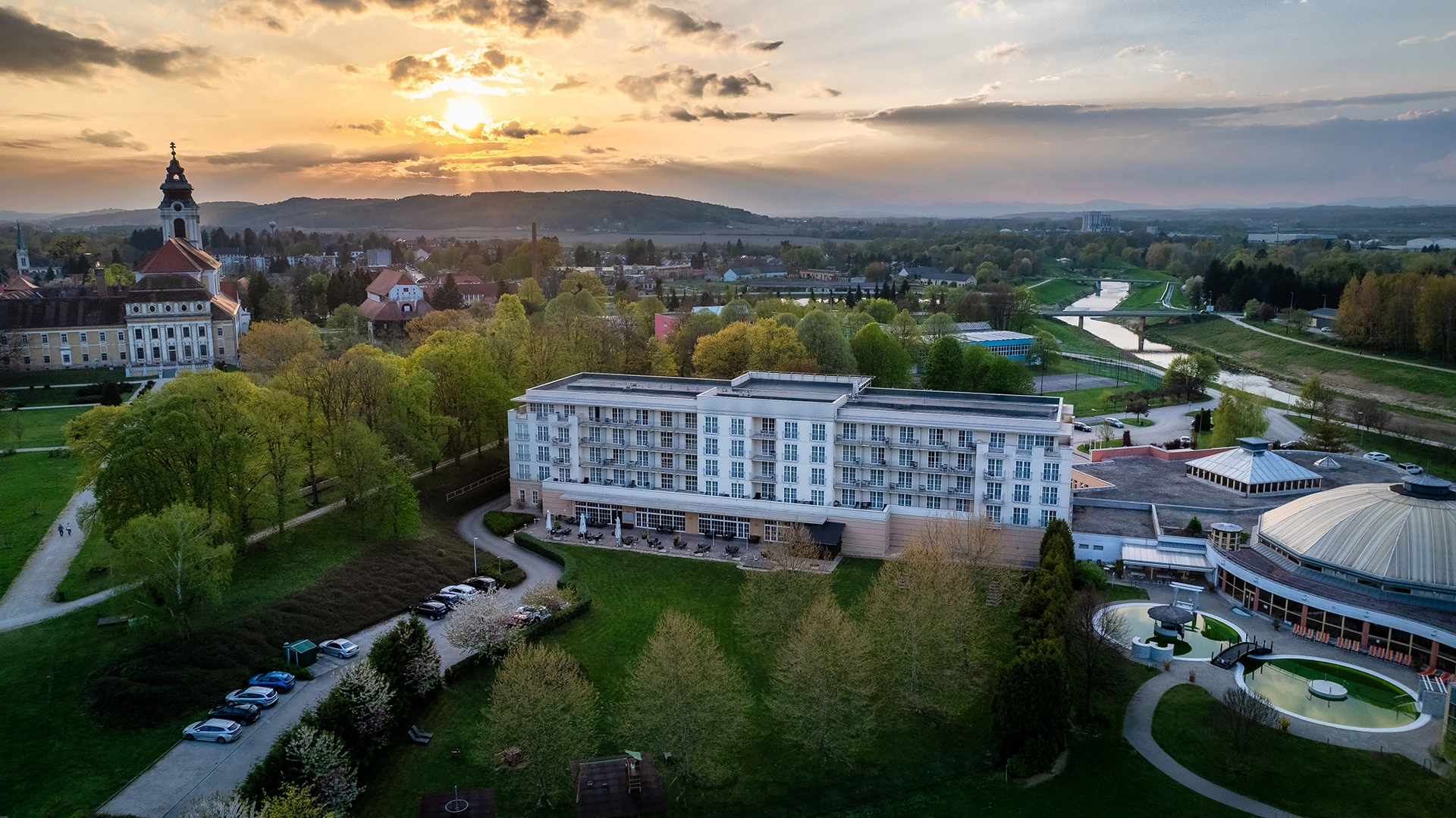
During the two-day project at Lotus Therme Hotel & Spa, food and beverage content alone covered several distinct areas:
Lobby café product photography
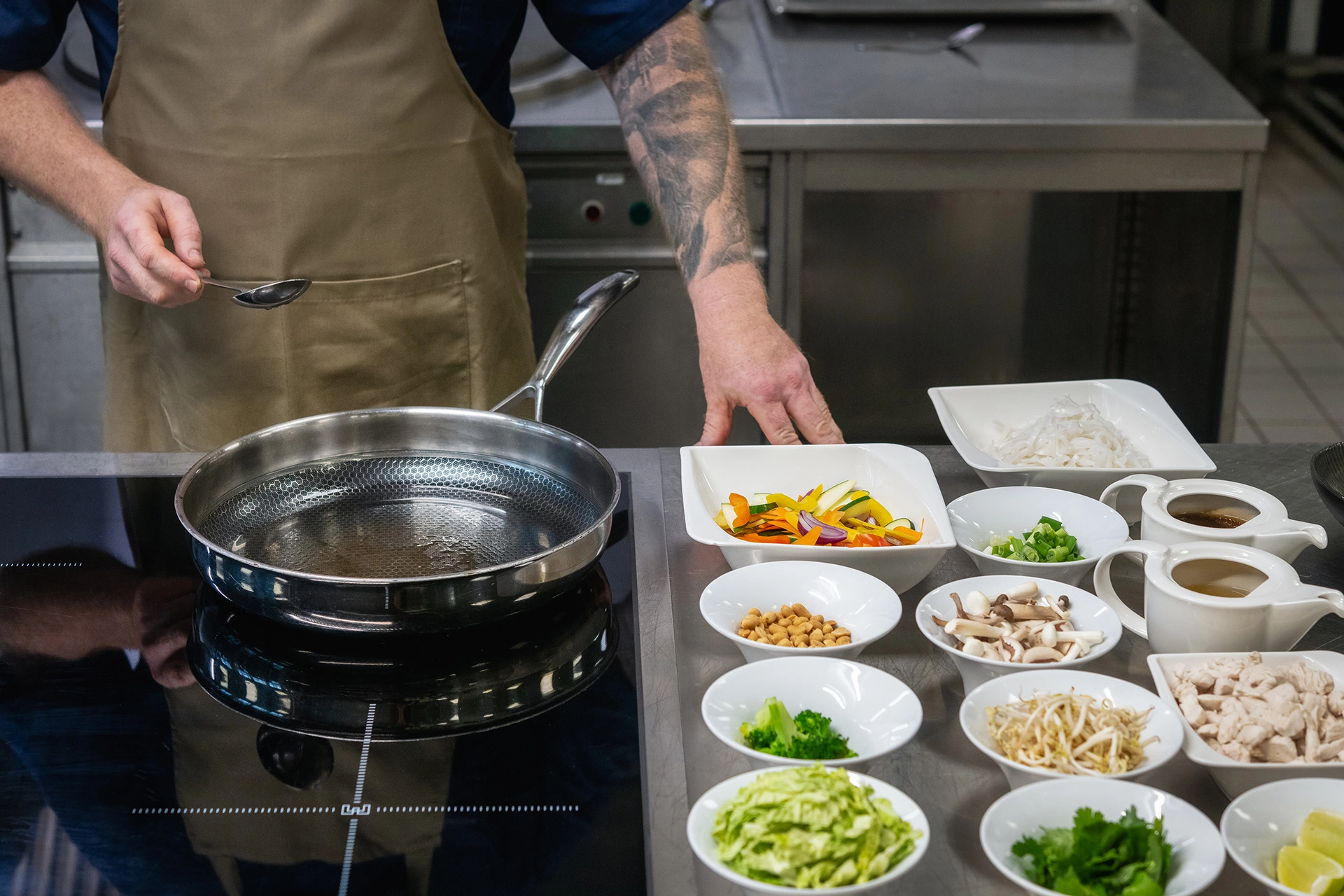
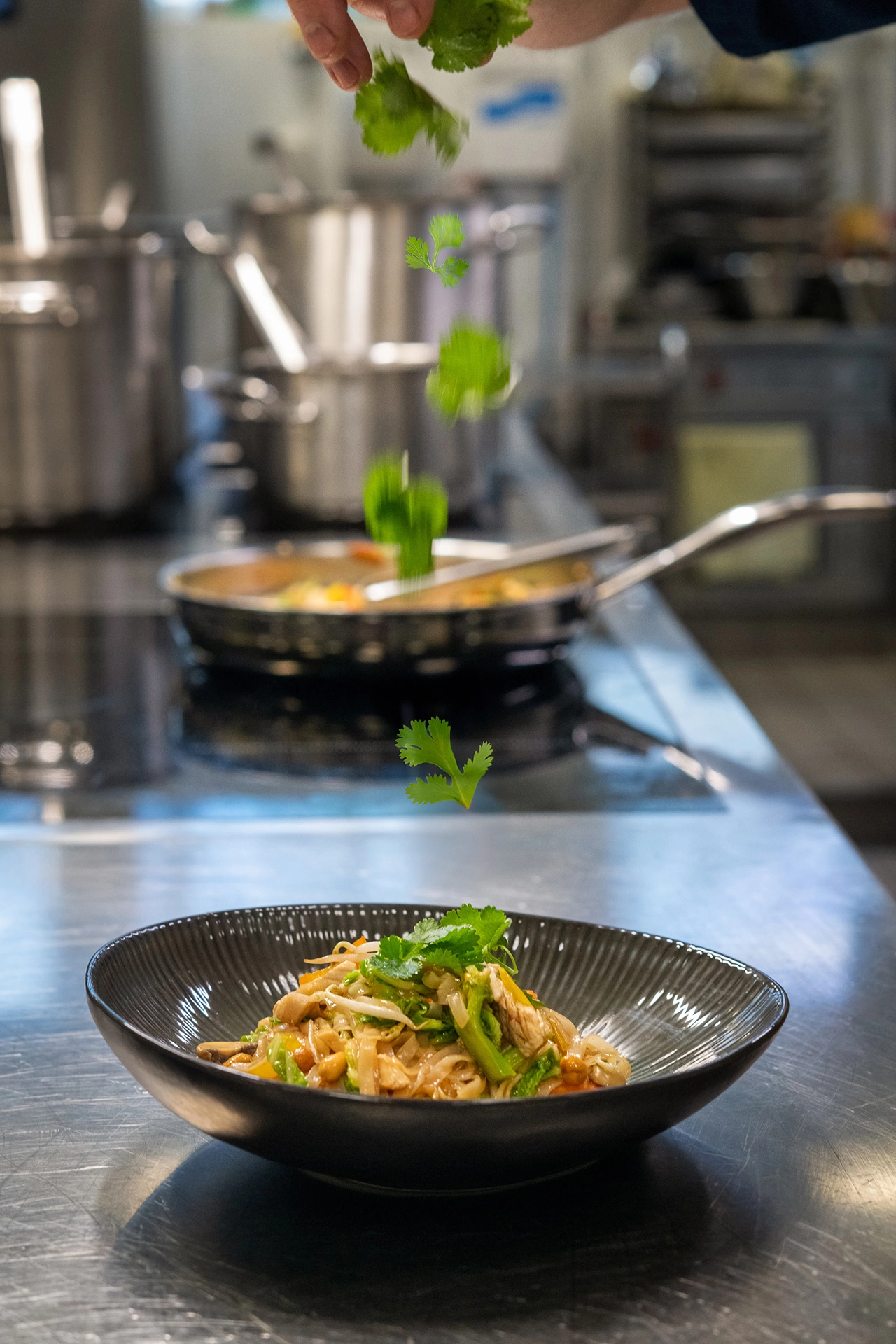
Kitchen action and preparation
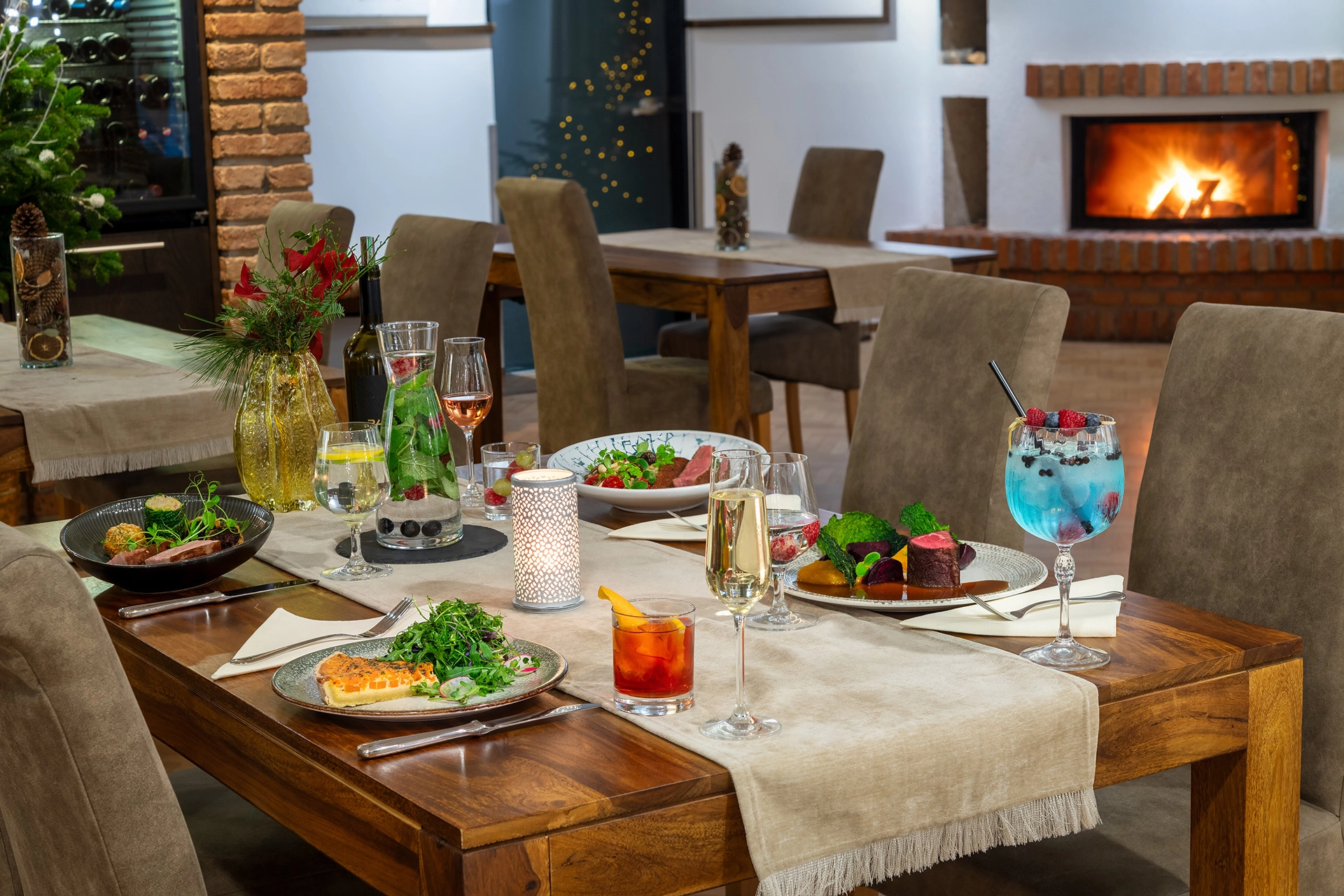
Restaurant food photography in context
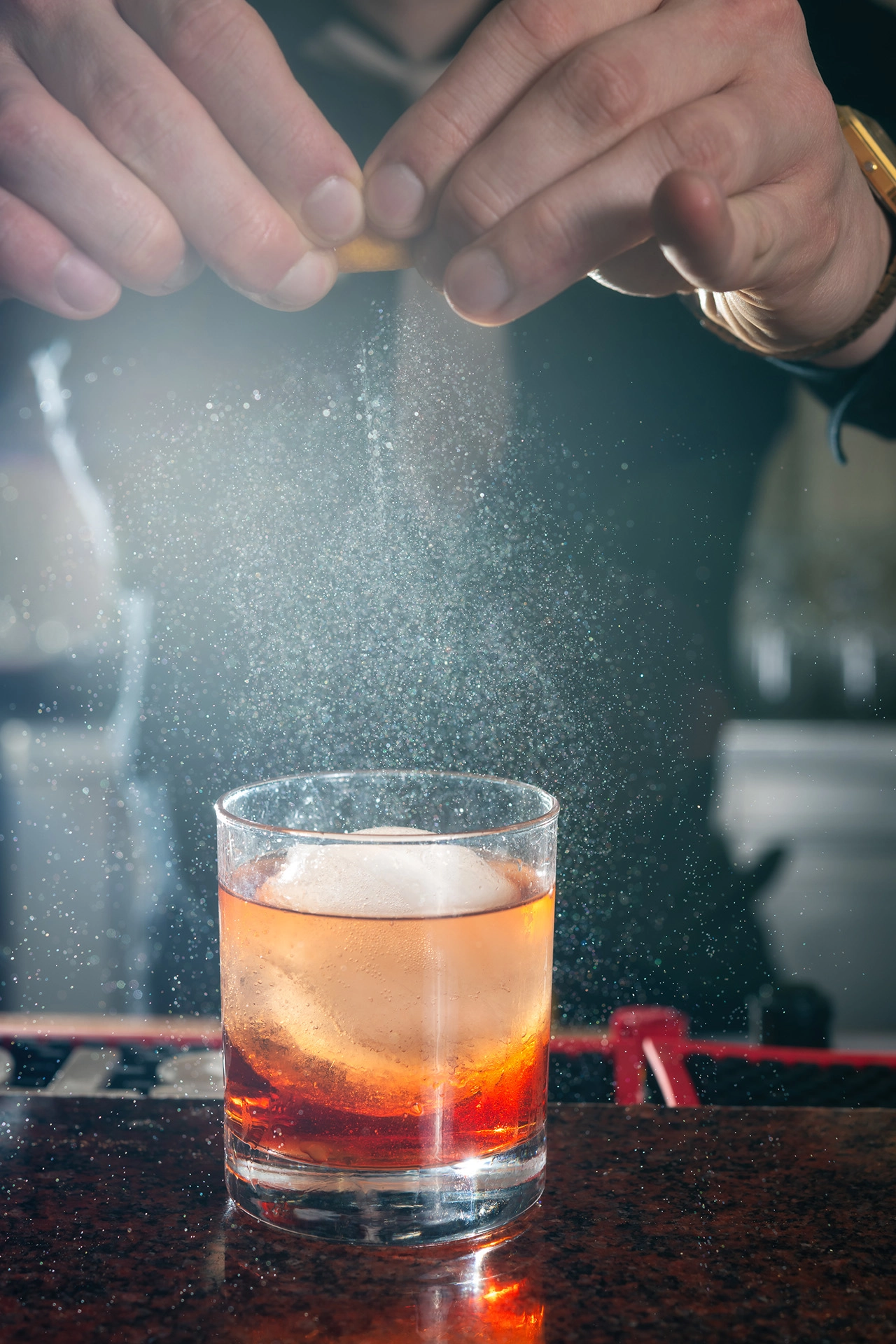
Cocktail-making process and bar imagery
Each of these required a different approach, often within the same day.
Lobby Café Photography: Product with Purpose
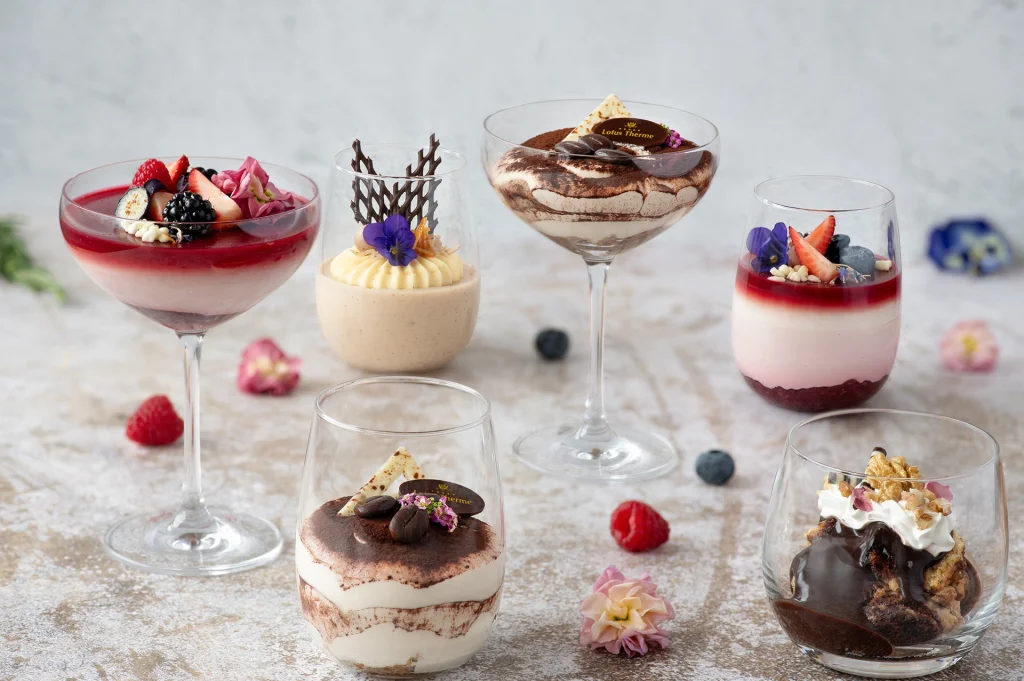
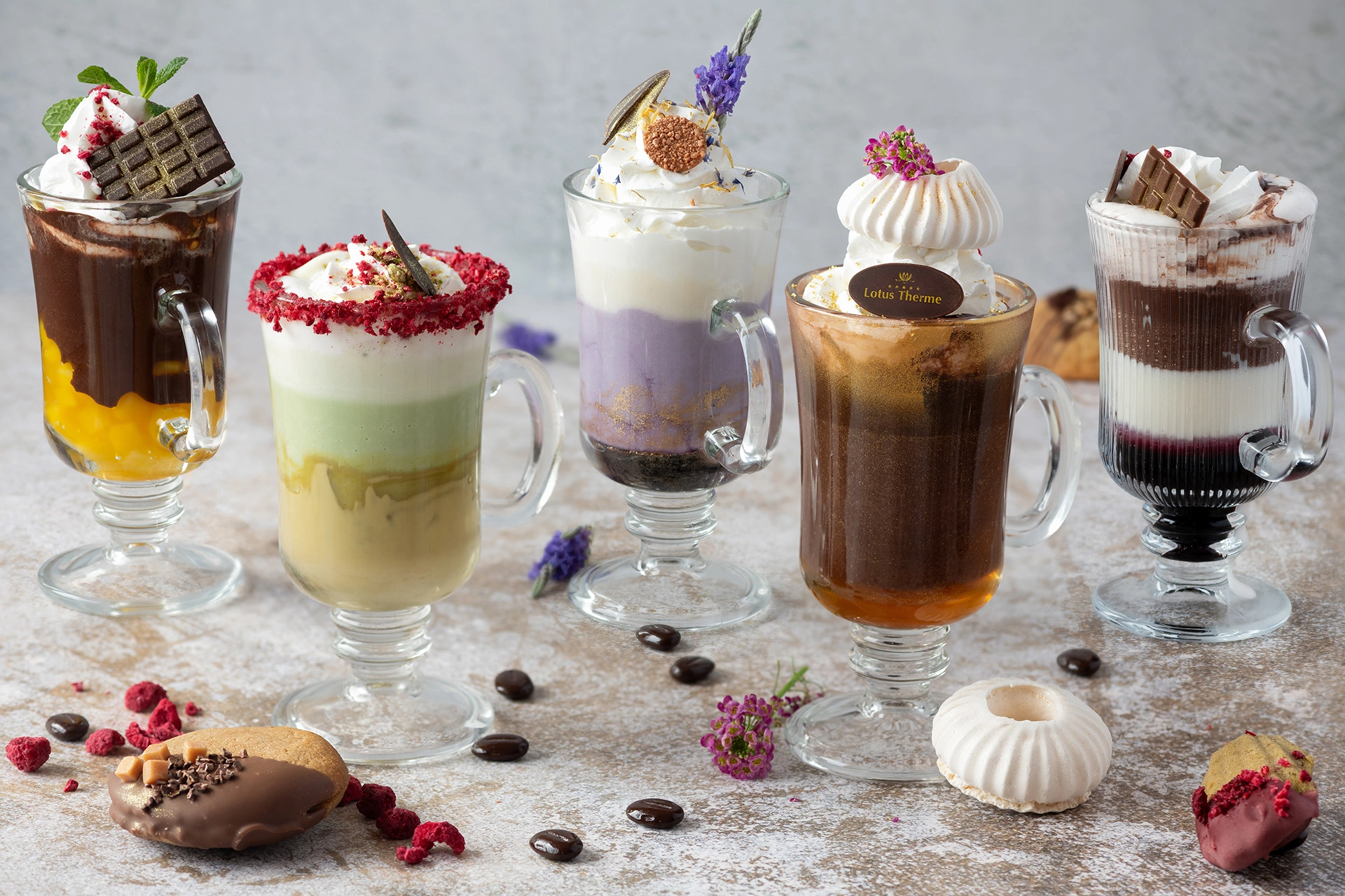
The lobby café imagery had a very clear goal: to present the selection in a professional, inviting way that encourages guests to engage and convert.
I have to say that a detailed brief has helped me greatly here. Knowing which products needed to be featured allowed for advanced planning of:
Lighting approach
Background options
Shot variety
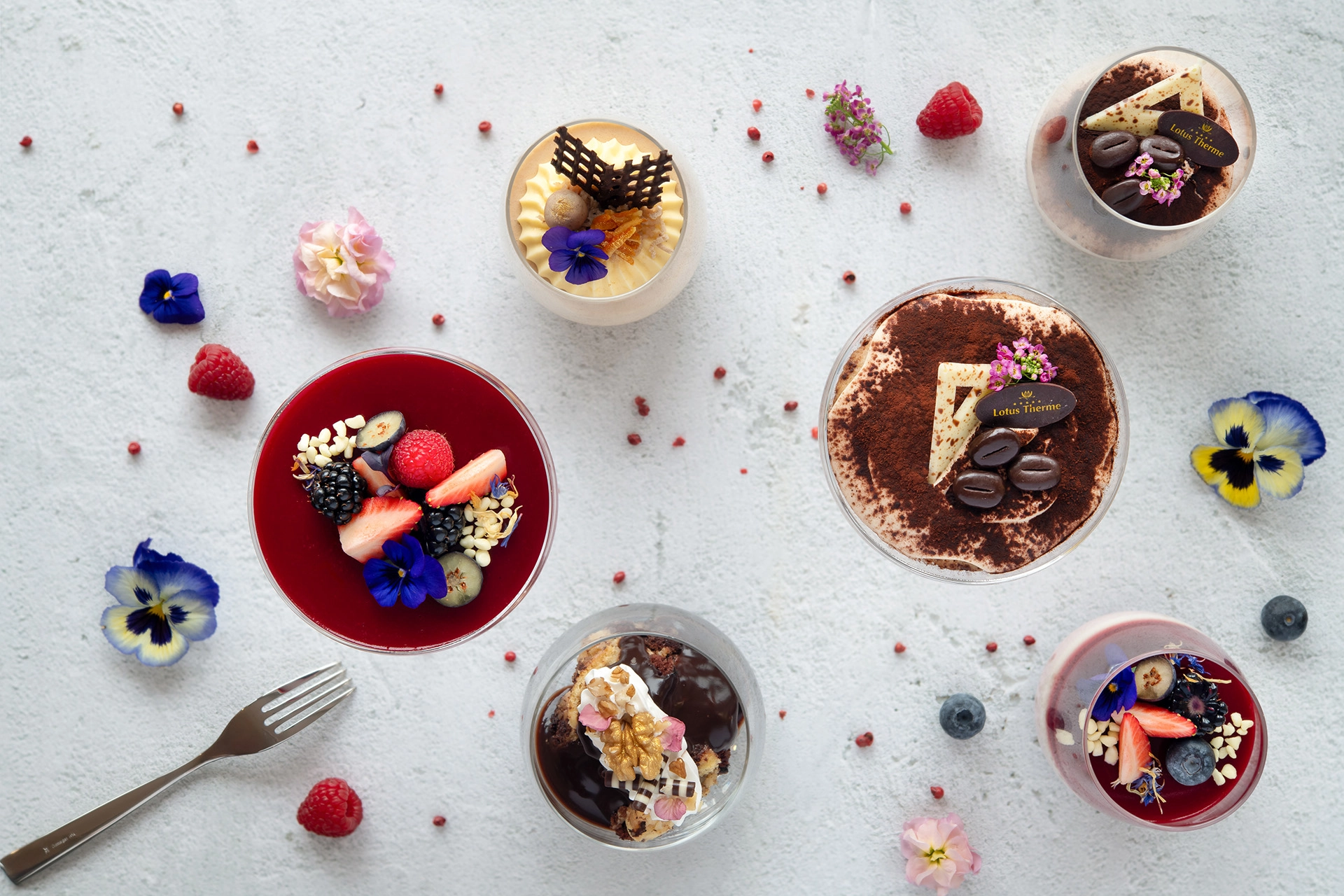
The challenge was managing multiple products within a single frame while keeping everything readable and visually balanced. This involved careful control of depth of field, constant attention to focus points, and arranging décor to support the product rather than compete with it.
Both natural and artificial light were used, depending on the setup, and backgrounds were deliberately changed to maintain variety while maintaining a consistent visual tone.
For overhead compositions, I used a large overhead tripod, allowing precise, repeatable top-down angles. These were paired with side-angle images to provide flexibility across different platforms and layouts.
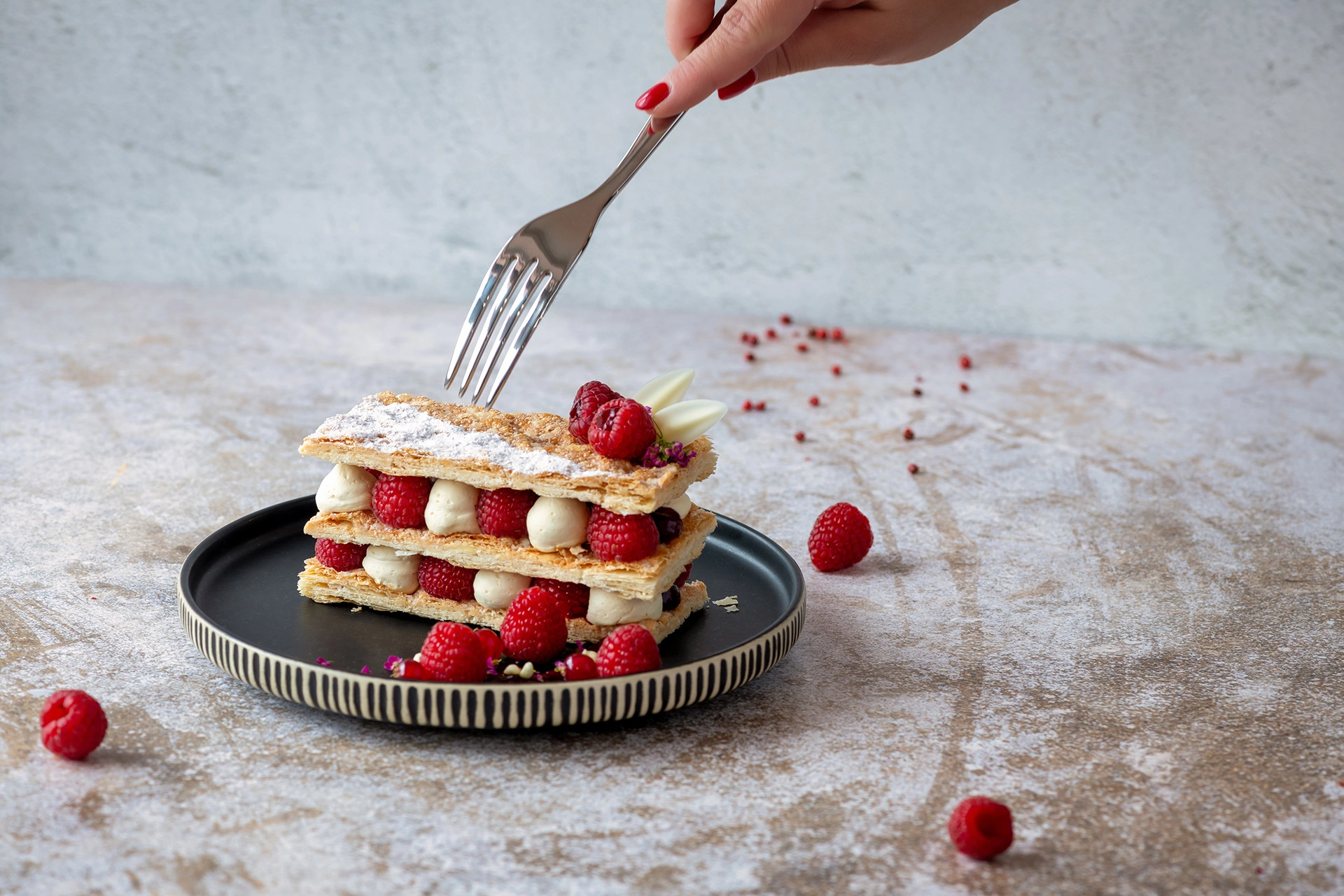
Some setups also incorporated hands holding the products or placing them into a scene, subtly showing the café environment without turning the images into lifestyle photography.
This sequence alone involved enough decisions and setups to function as a standalone assignment.
Kitchen Action: Preparation Before Shooting
Kitchen photography is not about reacting quickly. It is about preparing the frame before anything happens.
Before shooting, I identified three to four primary angles that would work consistently across different dishes and moments. Once these angles were set, the surrounding environment was adjusted accordingly.
Items that visually distracted were removed or repositioned, allowing the chef to work naturally while keeping the background clean and commercially usable.
This preparation enabled efficient capture of action without interrupting kitchen workflow or requiring excessive post-production fixes.
Restaurant Food Photography: Scene and Detail
Food photography in the restaurant was approached in two stages.
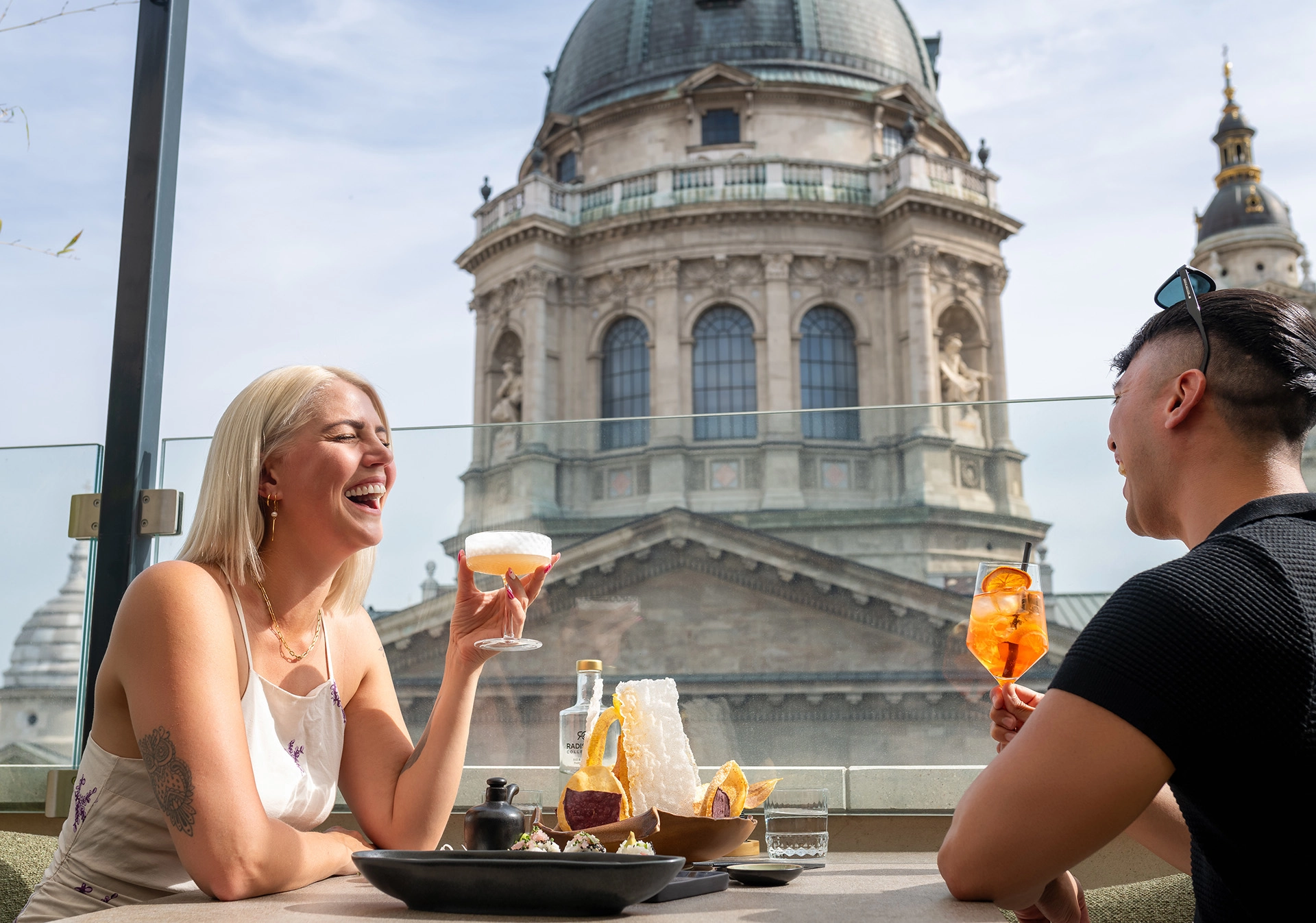
First, a whole table scene was built with multiple dishes and drinks, intentionally arranged to convey atmosphere, variety, and experience rather than individual plates in isolation.
The scene was shaped using two flash units on stands, providing controlled, directional light while preserving a natural look.
Once the overall composition was established, I moved closer to capture:
Individual dishes
Partial table views
Detail shots that still referenced the wider environment
This approach ensured the hotel received both strong hero imagery and supporting visuals that can be used flexibly across different formats.
Cocktail Photography: Motion, Light, and Adaptation
Capturing the cocktail-making process introduced new challenges. The goal was to freeze motion, maintain atmosphere, and deliver visual variety within a limited time.
Lighting had to be balanced:
Freezing movement
Preserving reflections and glass texture
Keeping the bar environment present but controlled
We had initially planned to work with smoky cocktails and visible flames. Unfortunately, the smoke machine did not arrive in time, and attempts to introduce fire did not produce flames strong enough to read clearly on camera.
Instead of forcing effects that would not translate visually, the focus shifted to:
Hand movements
Liquid motion
Color contrast
Glassware and surface reflections
The result was a set of images that still communicated craftsmanship and atmosphere without relying on planned effects.
Adaptability mattered more here than sticking rigidly to the original concept.
One System, Many Decisions
Across all food and beverage sequences, the key challenge was constant creative switching.
Lobby café products require precision and clarity. Kitchen action demands anticipation. Restaurant food balances scene and detail. Cocktails rely on timing and control of motion.
Treating these as separate tasks would have slowed the process. Instead, they were handled as part of a single visual system, with consistent decisions on colour, contrast, and framing.
This allowed the project to move quickly without the imagery feeling fragmented.
Closing Thoughts
Food and beverage photography in a live hotel environment is less about ideal conditions and more about decision-making under pressure.
Preparation, adaptability, and a clear understanding of the hotel’s visual goals make the difference between documenting dishes and creating imagery that supports the guest experience.
In the next part of this series, I will focus on wellness, night photography, guestrooms, and seasonal atmosphere, where lighting becomes more complex, and mood takes priority over precision.