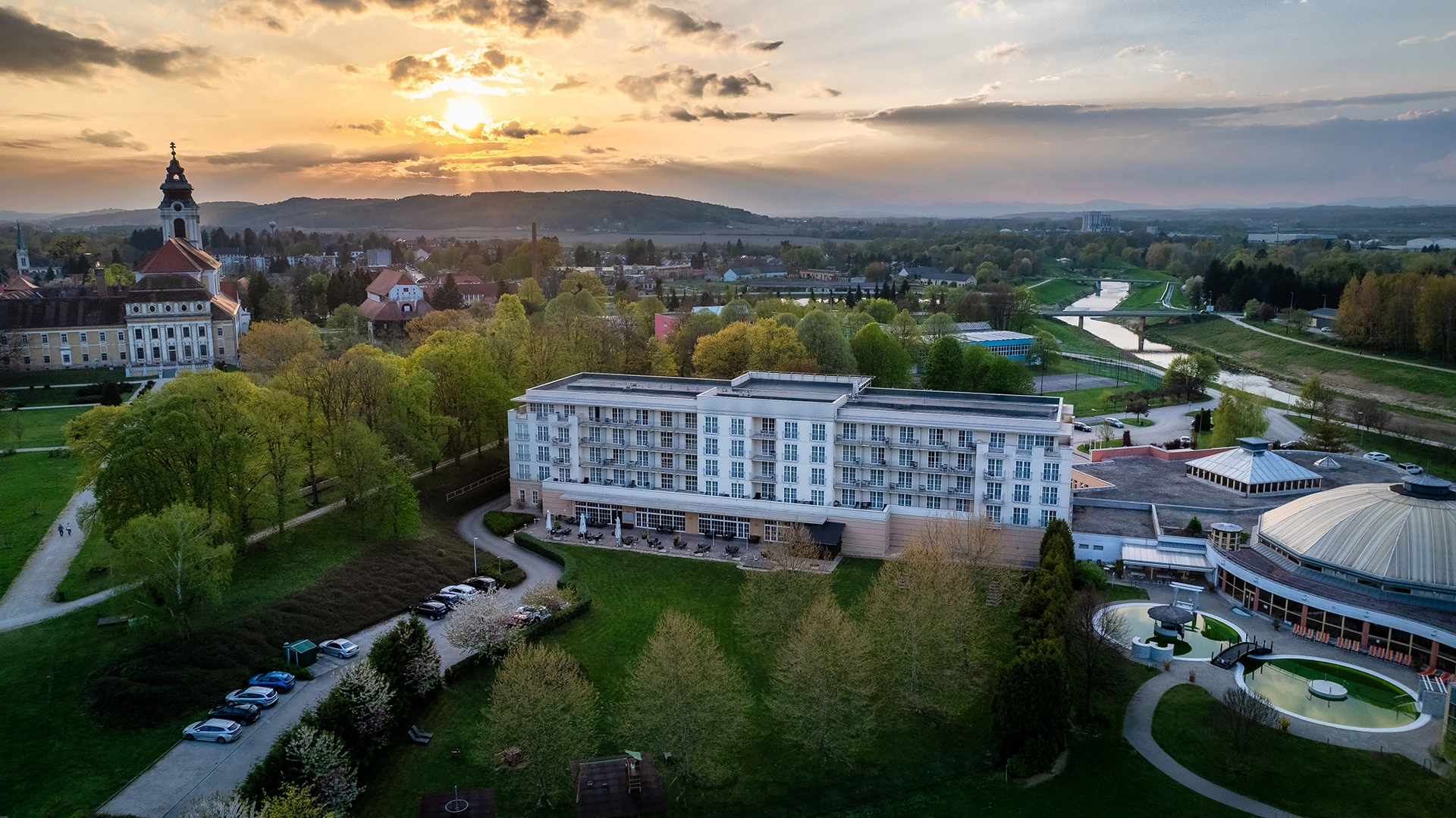
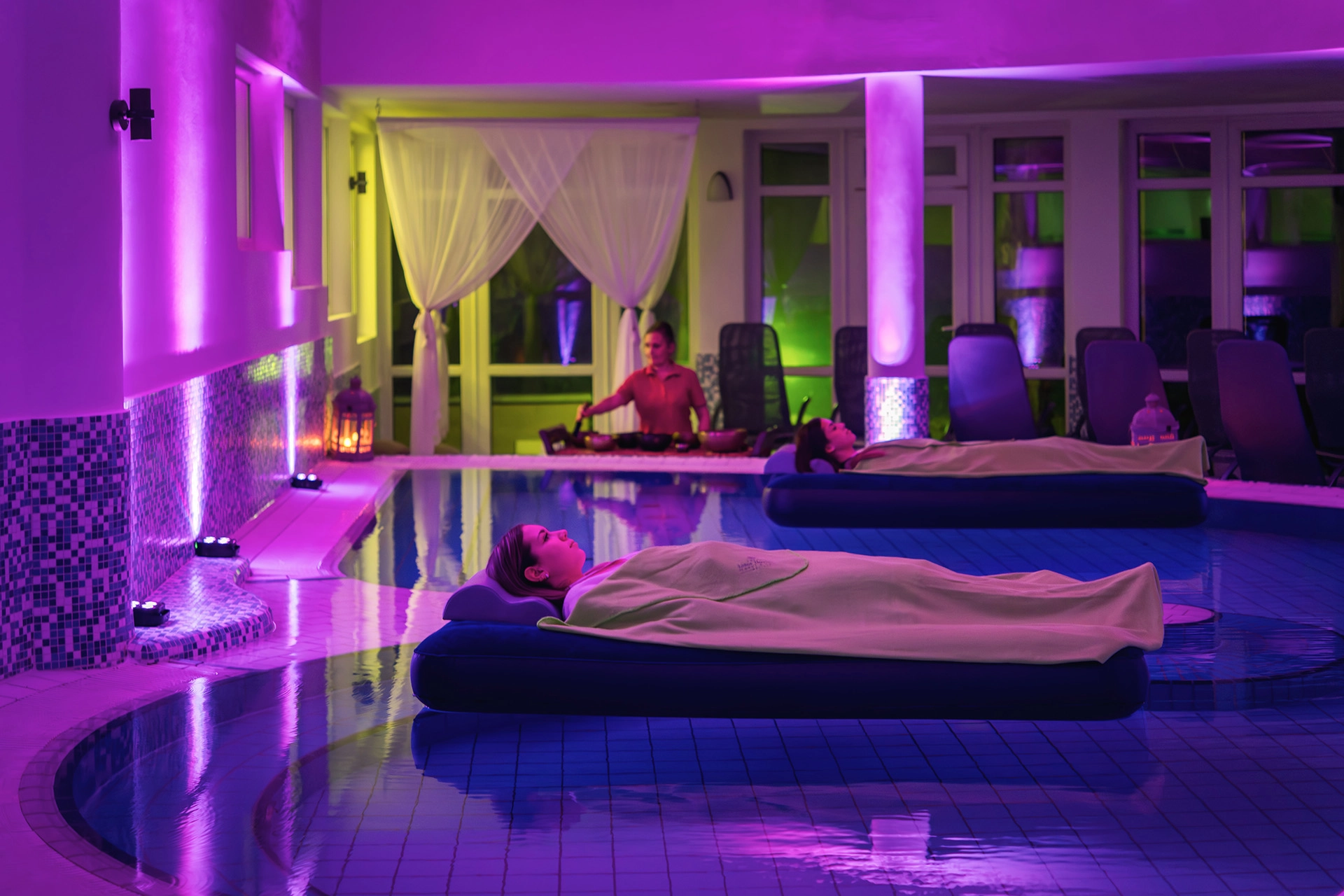
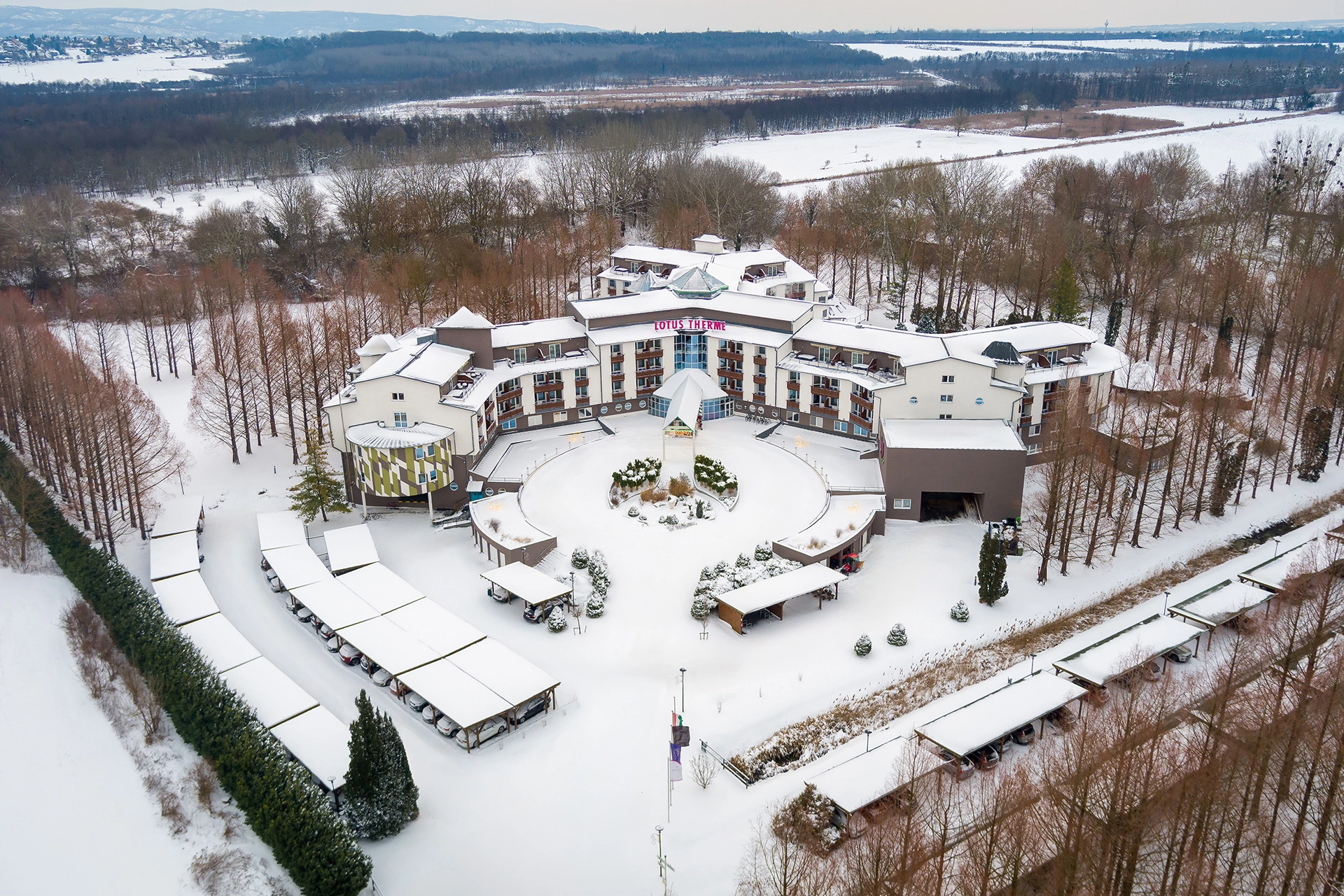
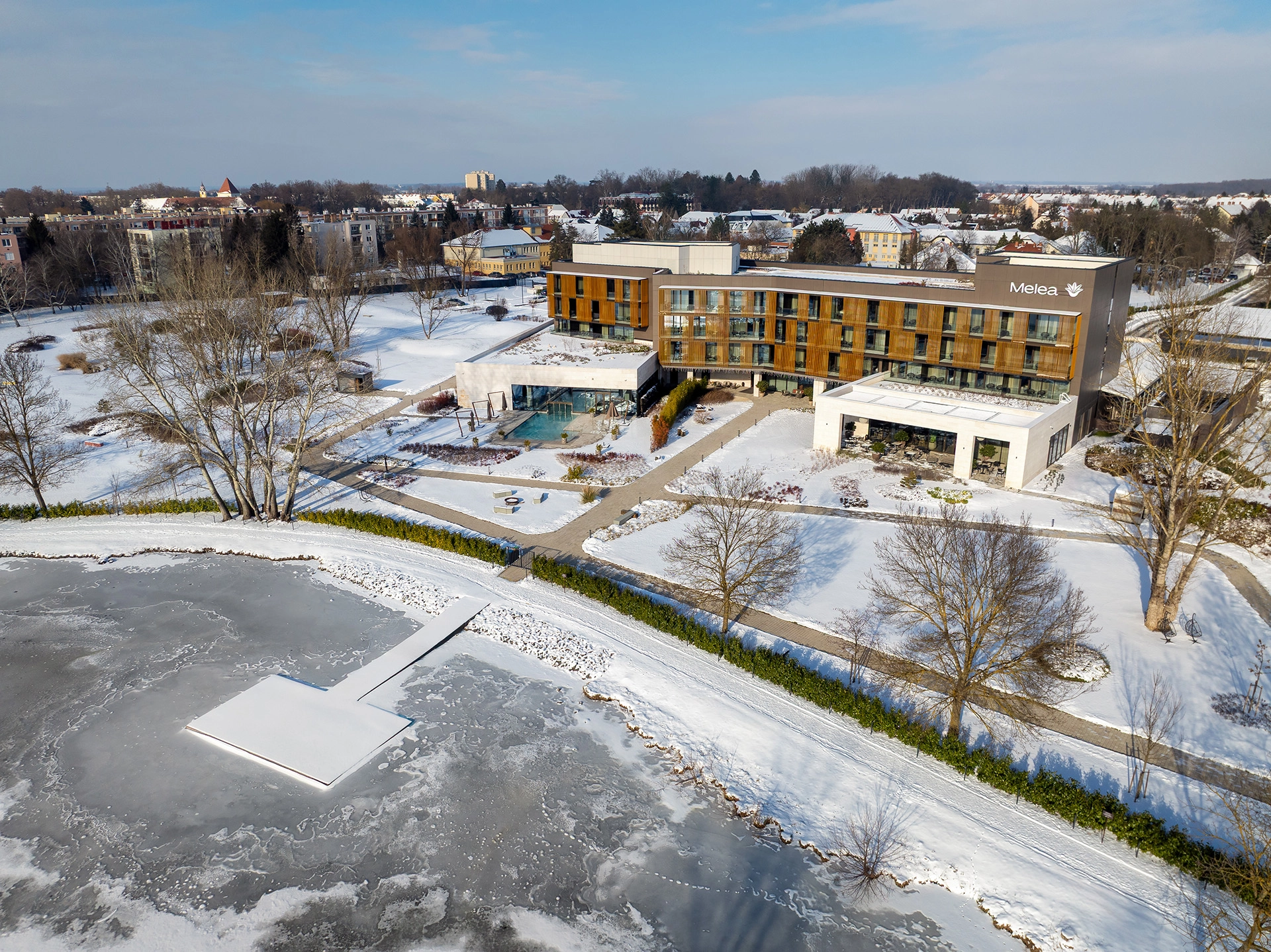
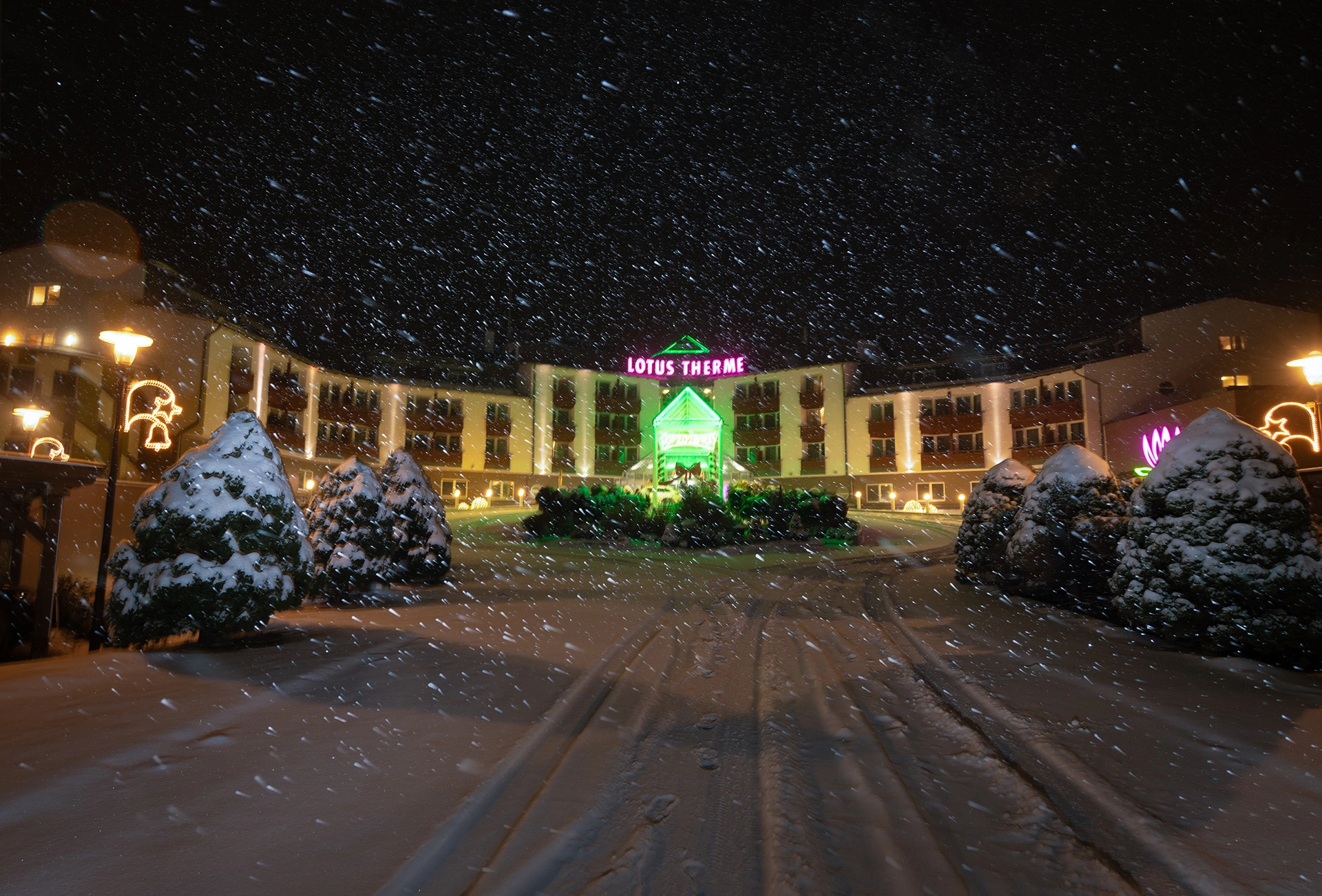
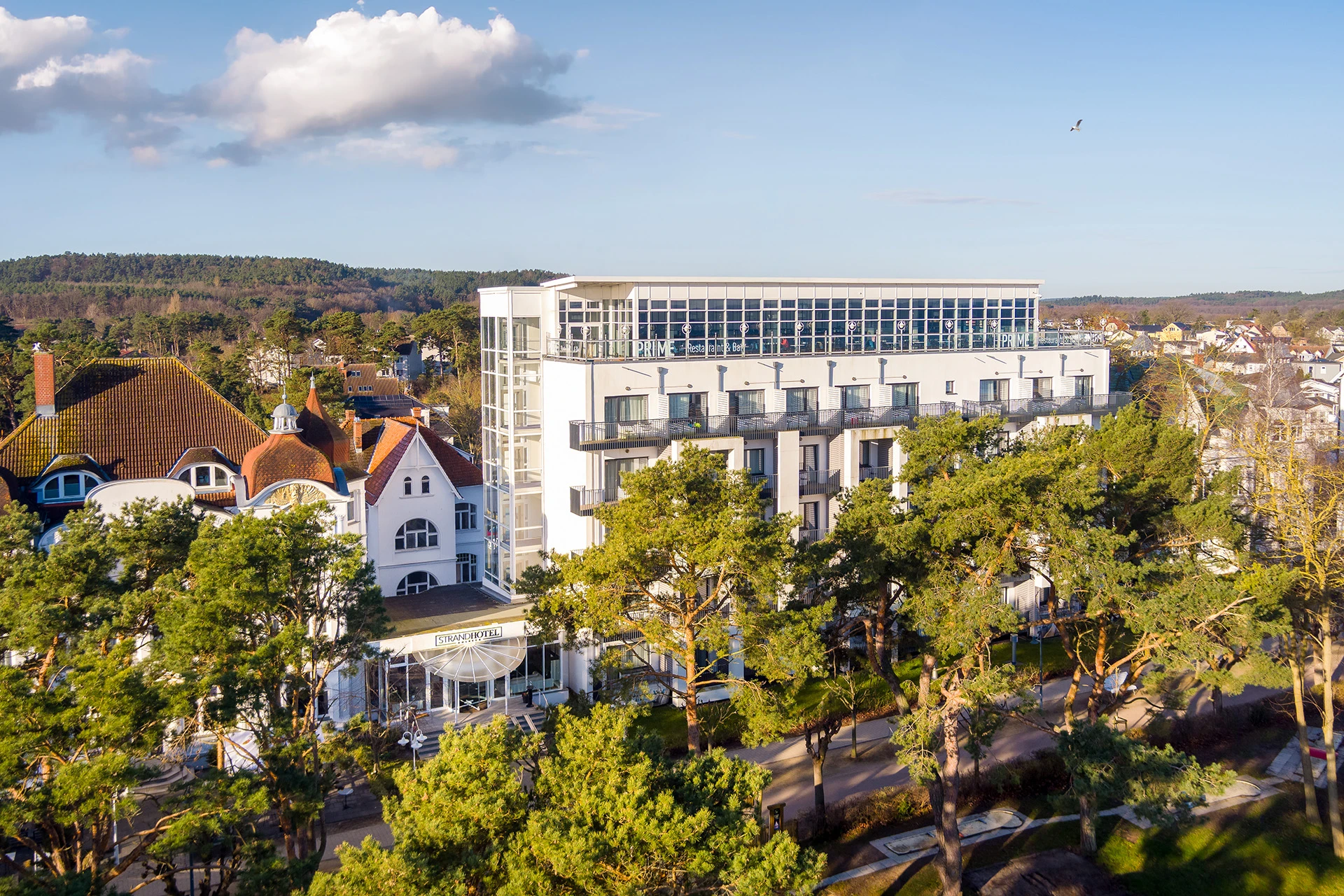
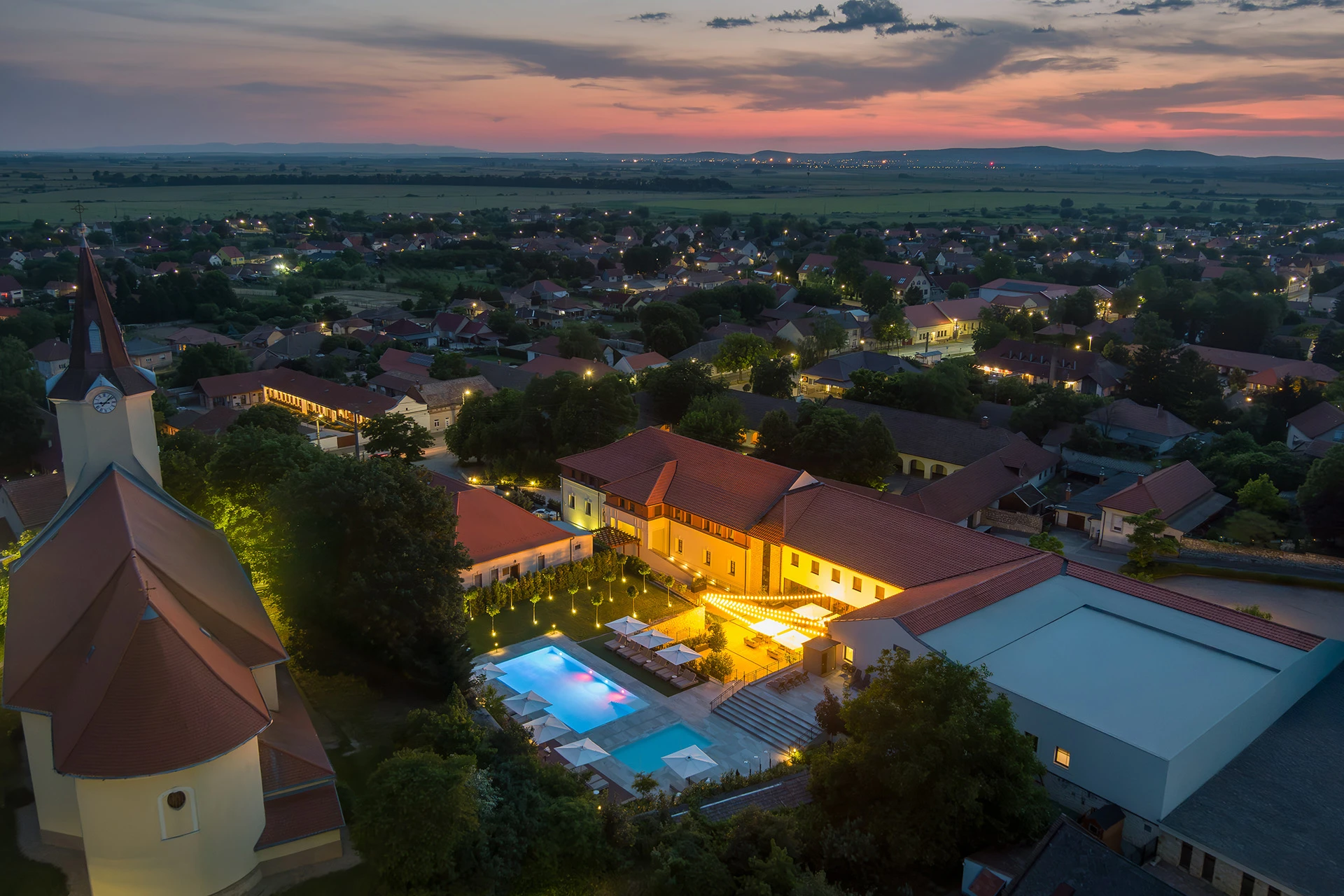
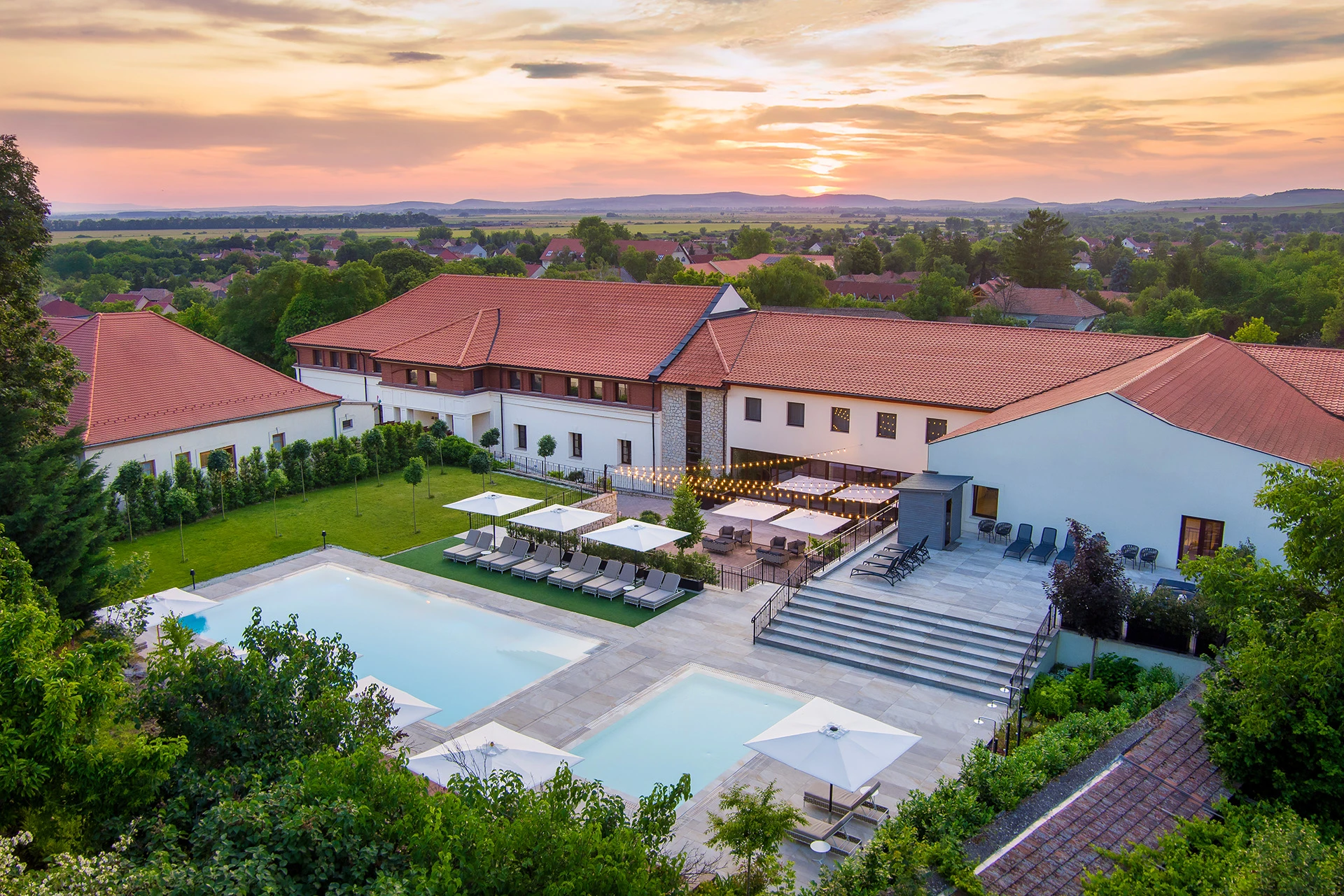
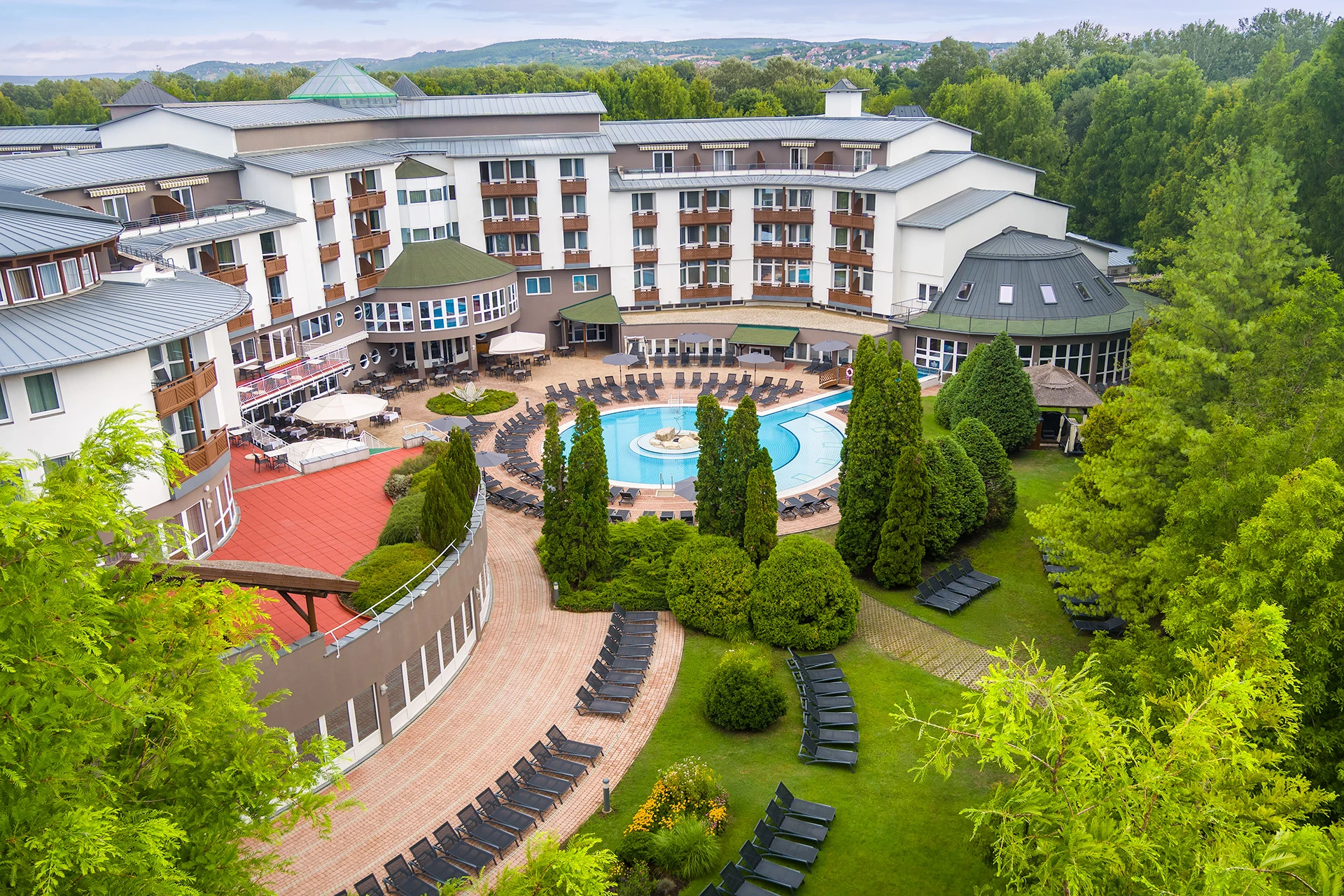
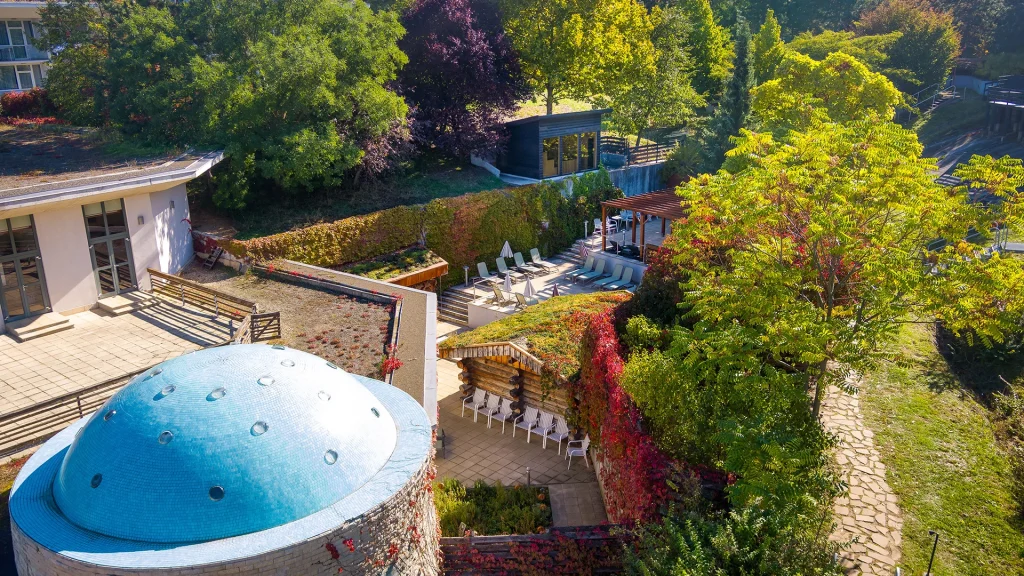
Good example of professional hotel photography – outdoor wellness area surrounded by greenery.

The Hidden Cost of Bad Hotel Photography: Why It’s Hurt Your Bottom Line

Your hotel’s photos are more than decoration — they’re your brand’s first impression. Low-quality images cost you real money in lost bookings and credibility. Learn why professional hotel photography is a high-return investment that builds trust, boosts bookings, and strengthens your hotel’s brand identity.

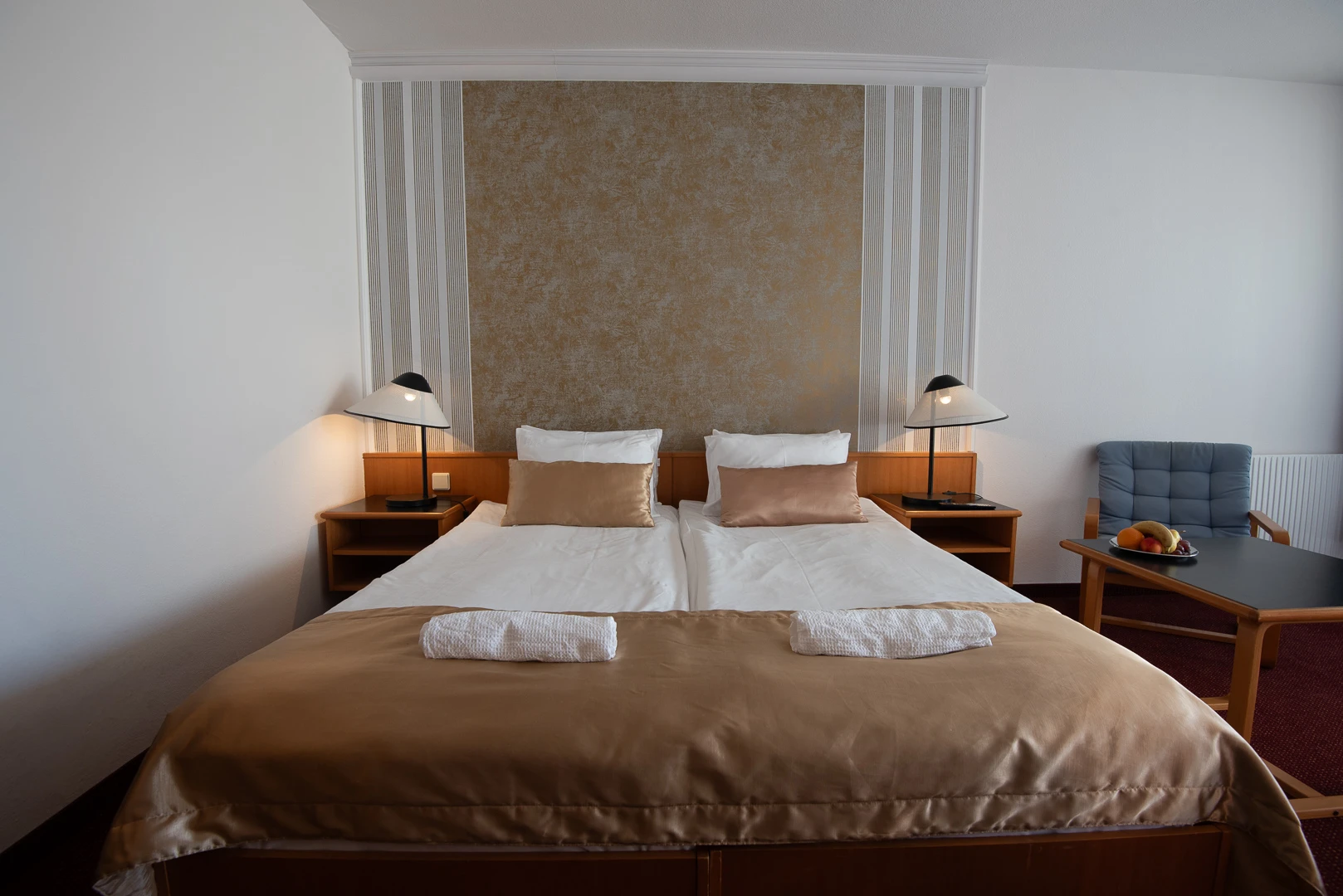
When guests browse your website or booking platforms, your photos are often the first (and sometimes only) thing they notice. Poor photography doesn’t just look unprofessional — it silently costs your hotel money, credibility, and repeat bookings. I will outline several key points and also provide examples of poor hotel photographs. 

Bad example of hotel photography – dark, flat lighting in a minimalist twin room.

Lost Bookings Before Guests Even Arrive

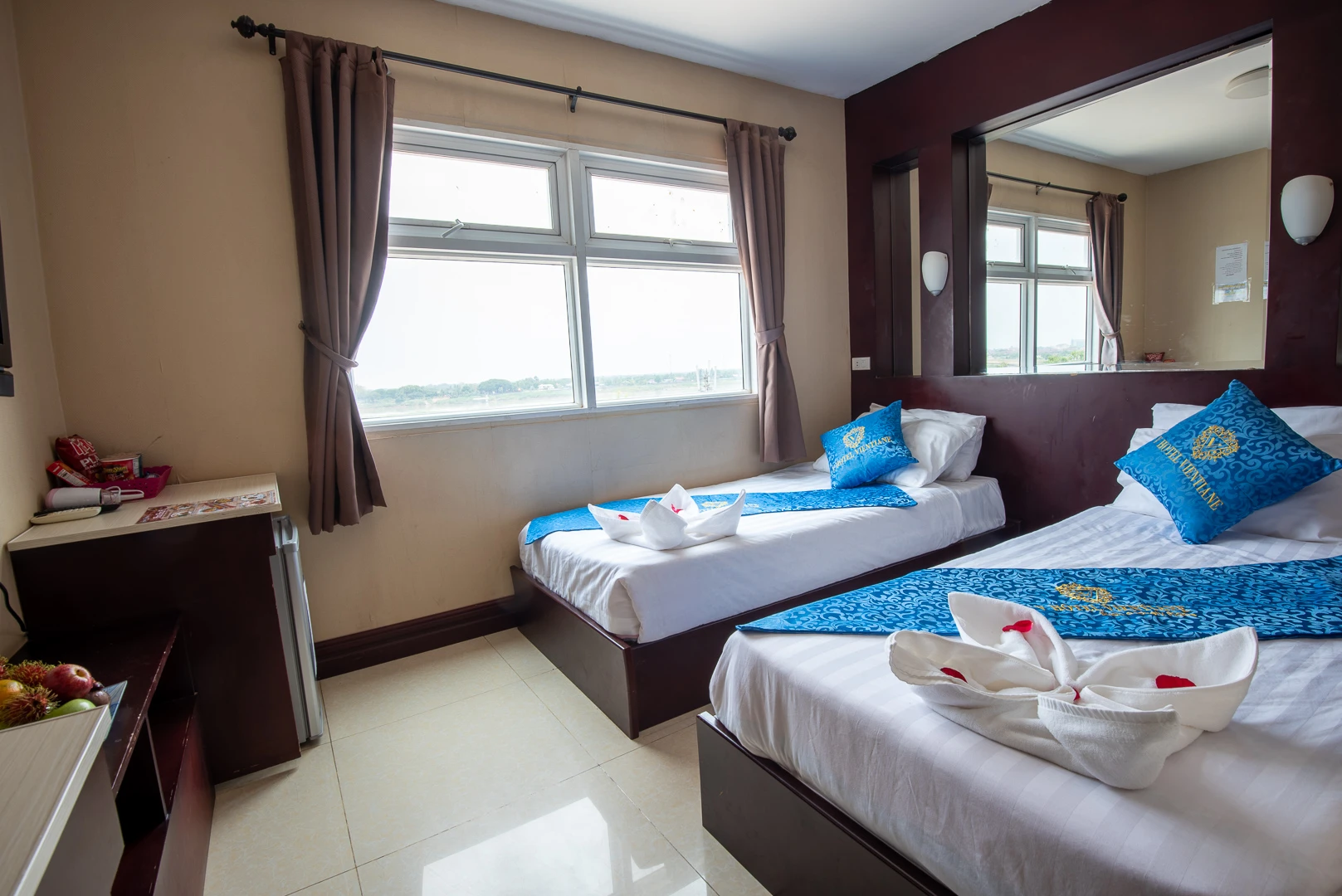
Studies show that guests are more likely to book a hotel with high-quality, visually appealing images. Dim lighting, awkward angles, or inconsistent styling can make potential guests click “Book Now” on a competitor’s site — even if your property offers a superior experience.

Bad example of hotel photography – twin room with uneven lighting and harsh contrast.

Weak Brand Perception

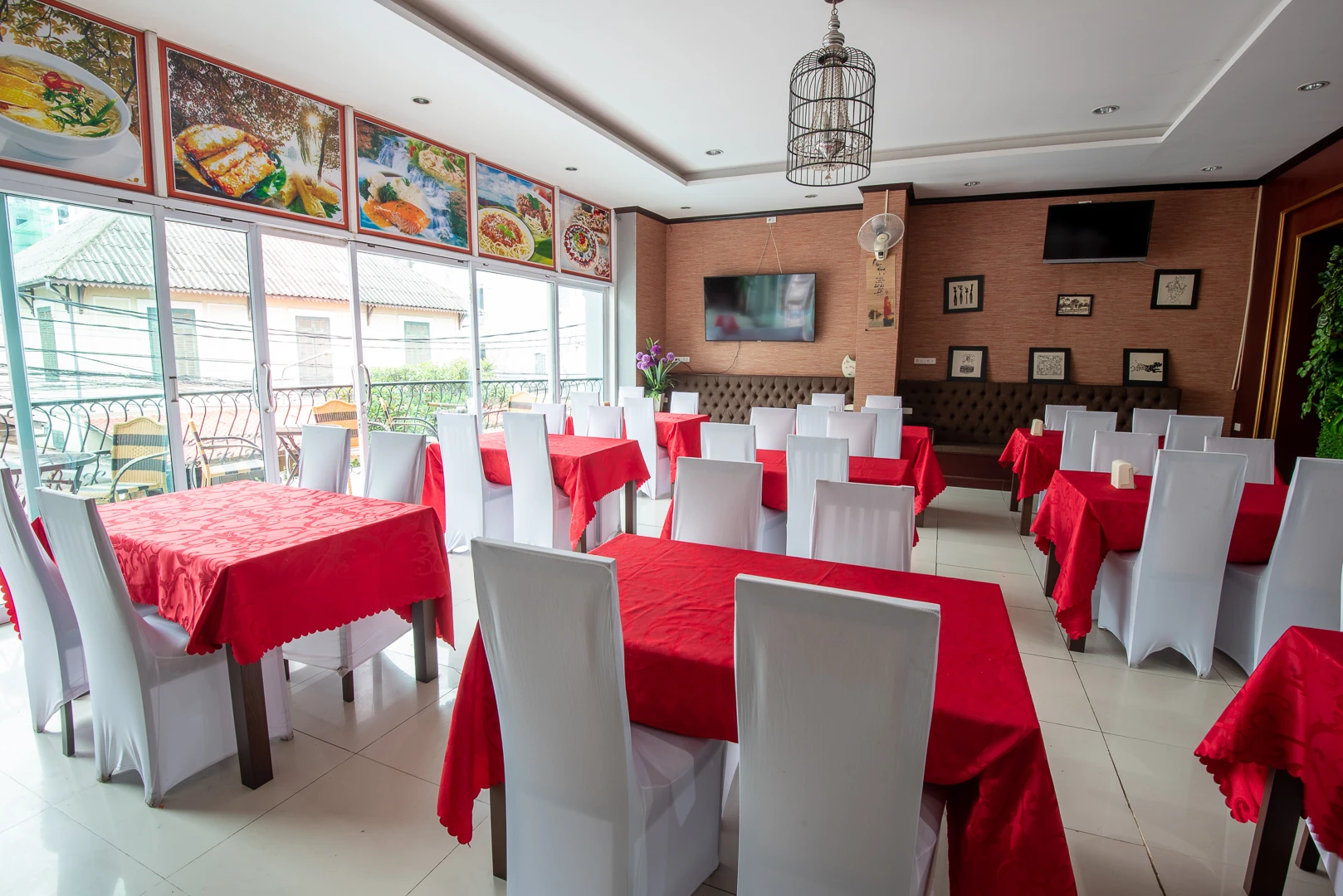
Your visuals tell the story of your hotel. Low-quality images suggest neglect, inconsistency, or a lack of attention to detail. Luxury hotels with amateur photography risk weakening perceptions of value and trust, even if the property itself is outstanding.

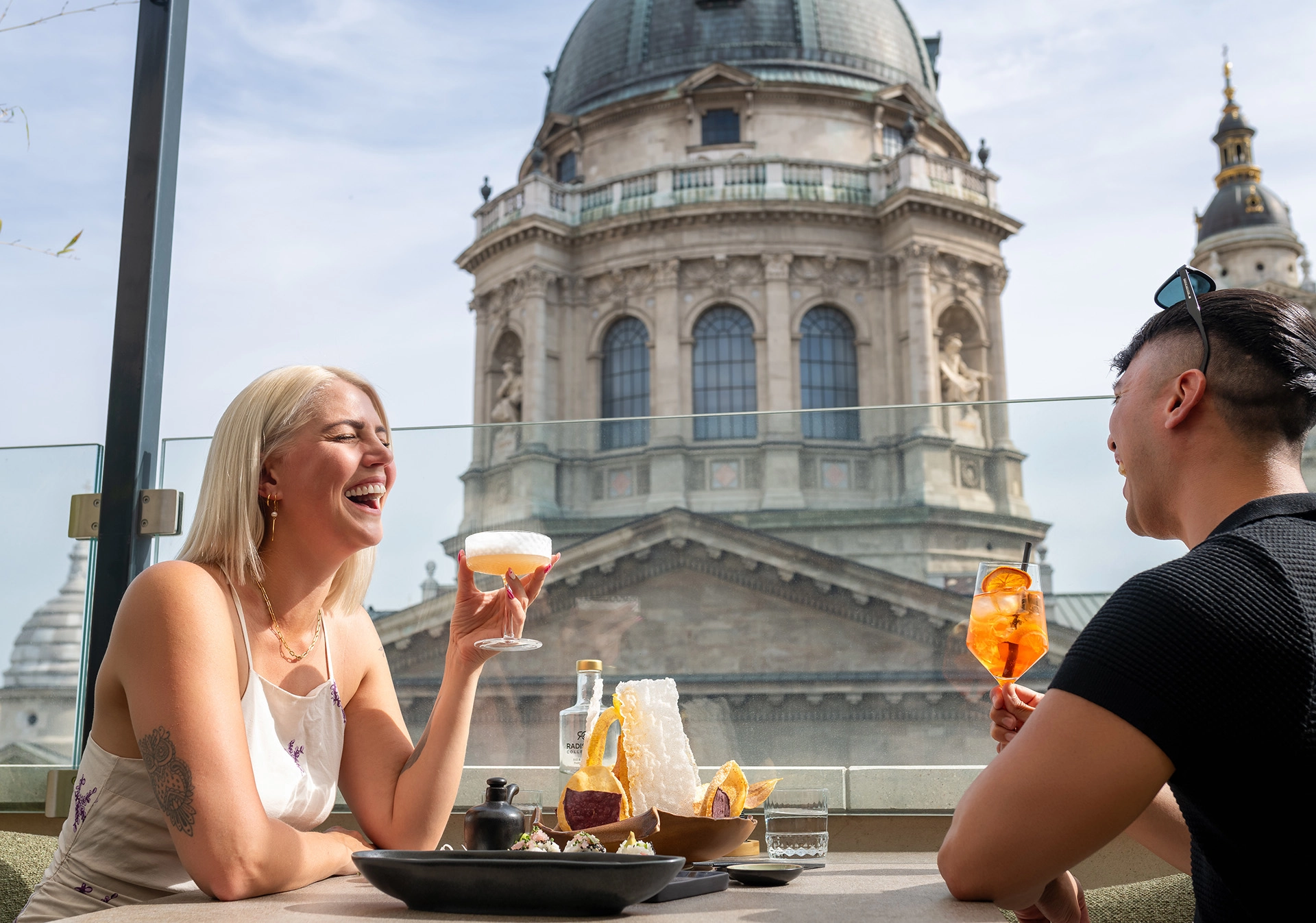
Bad example of hotel restaurant photography – uneven lighting and distracting setup.

Increased Marketing Expenses

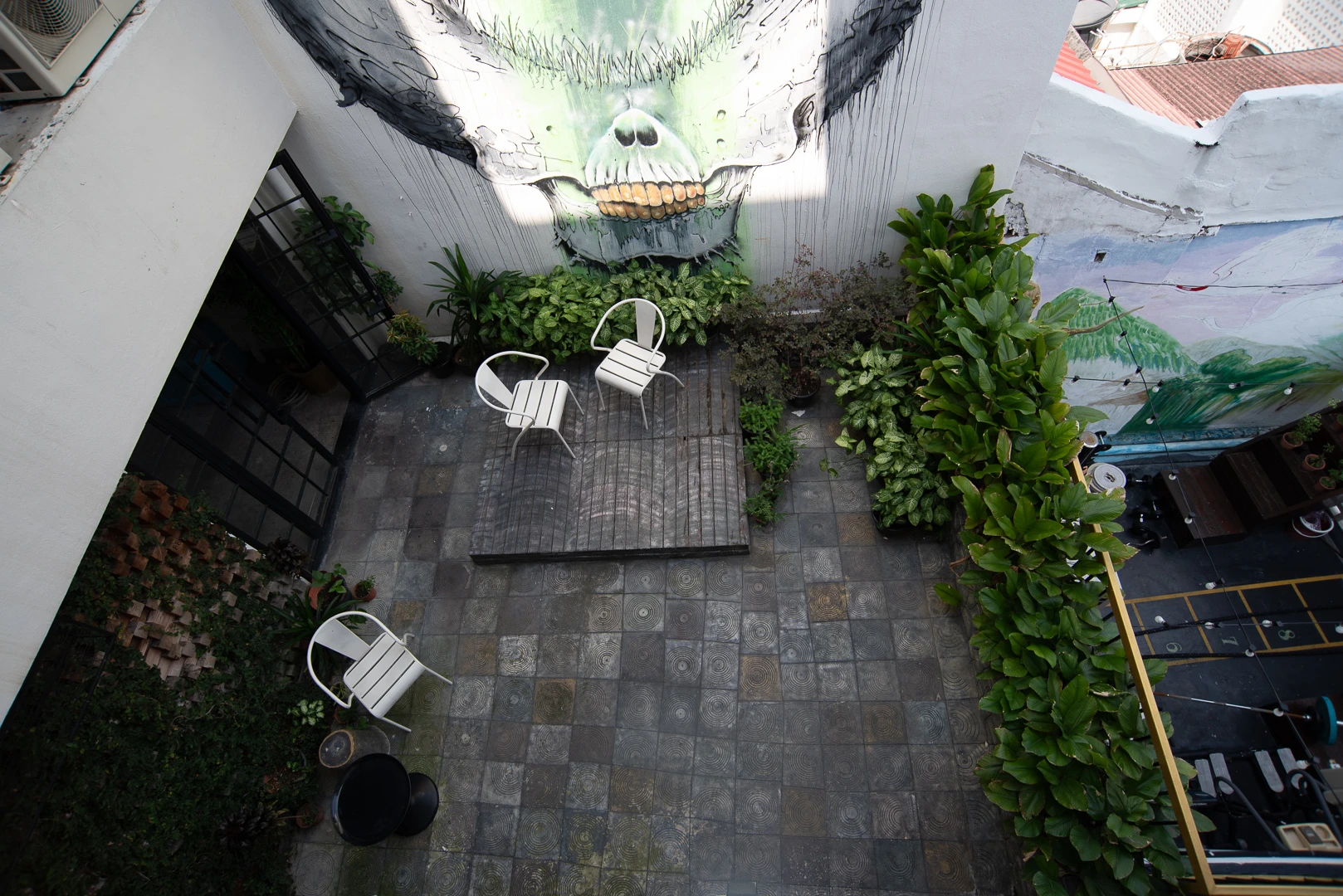
Hotels often spend more on advertising to compensate for poor imagery. Social media posts, email campaigns, and online adverts perform significantly better when paired with professional, cohesive photography — meaning an initial investment can save money on marketing in the long run.

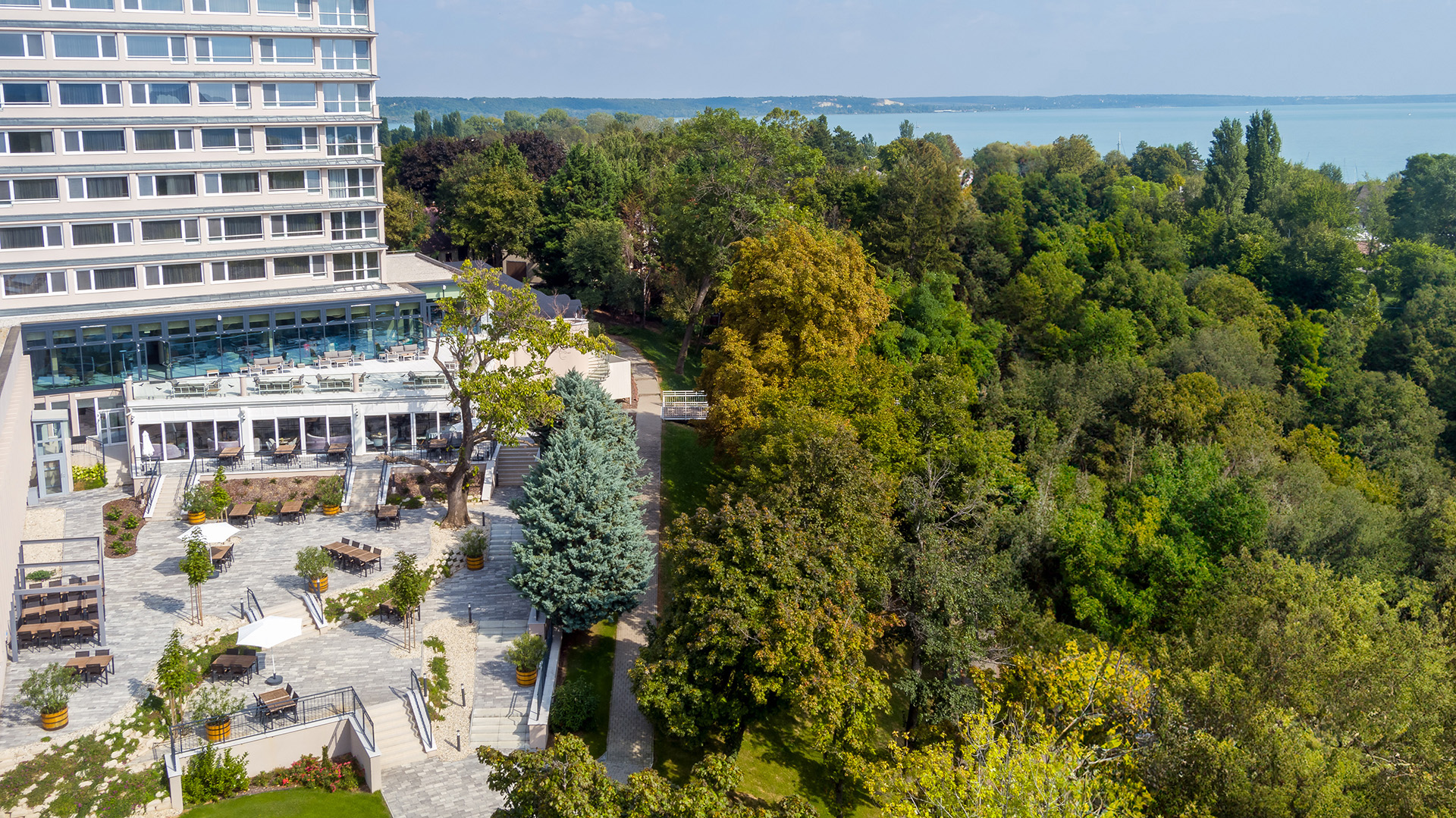
Bad example of outdoor hotel photography – uneven lighting and awkward top-down angle

The Long-Term Effect

Poor imagery can influence reviews and guest expectations. Even excellent service may not be enough to counteract the impression given by subpar photos. Conversely, strong visuals support positive experiences and enhance long-term brand recognition.

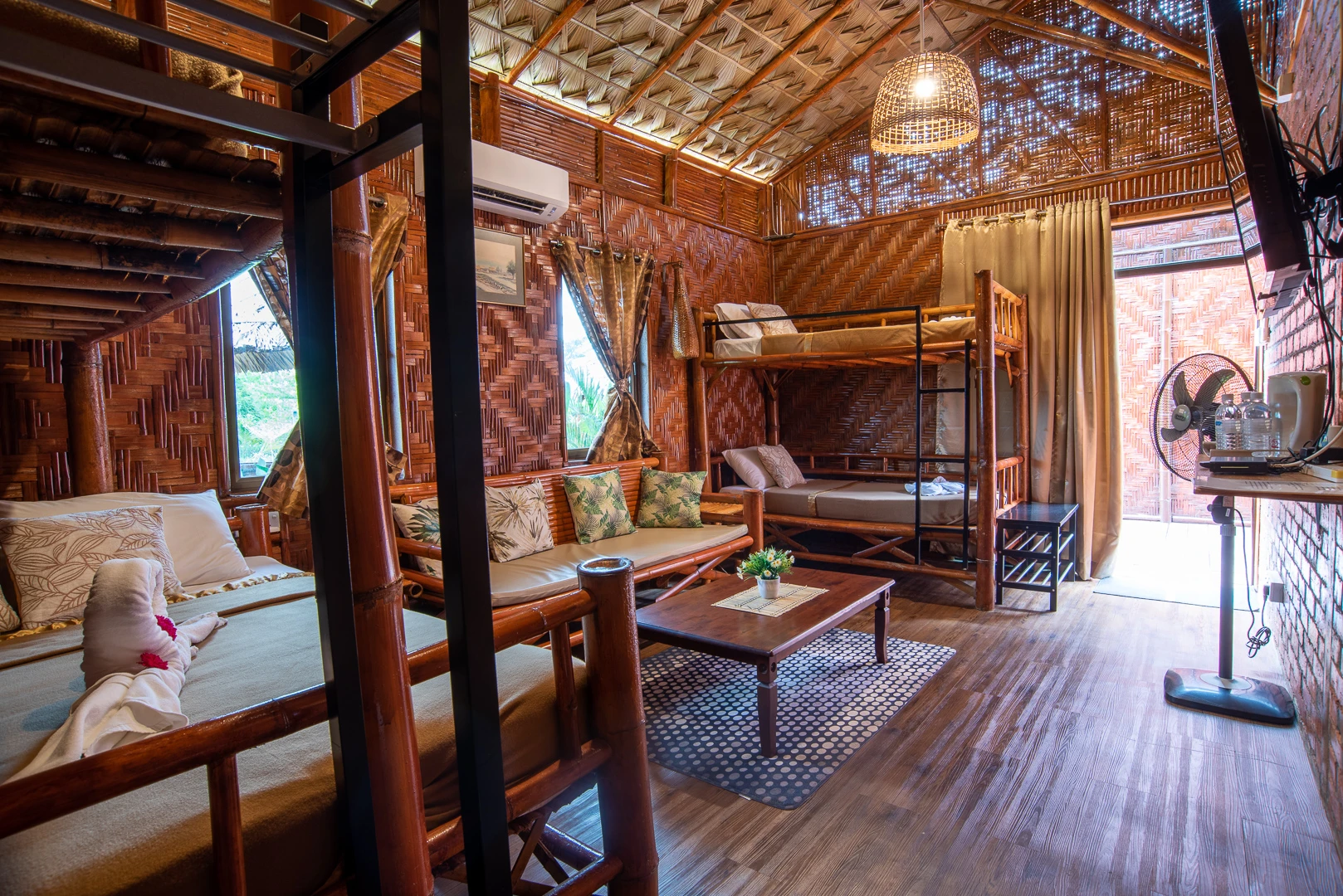
Bad example of hotel photography – cluttered eco-style room with uneven lighting.

Real-World Example

Consider a boutique London hotel that invested in professional photography. Within six months, website clicks increased by 40%, direct bookings rose by 25%, and OTA reviews highlighted the property’s “stunning visual presentation.” High-quality images became a revenue-generating asset rather than a marketing expense.

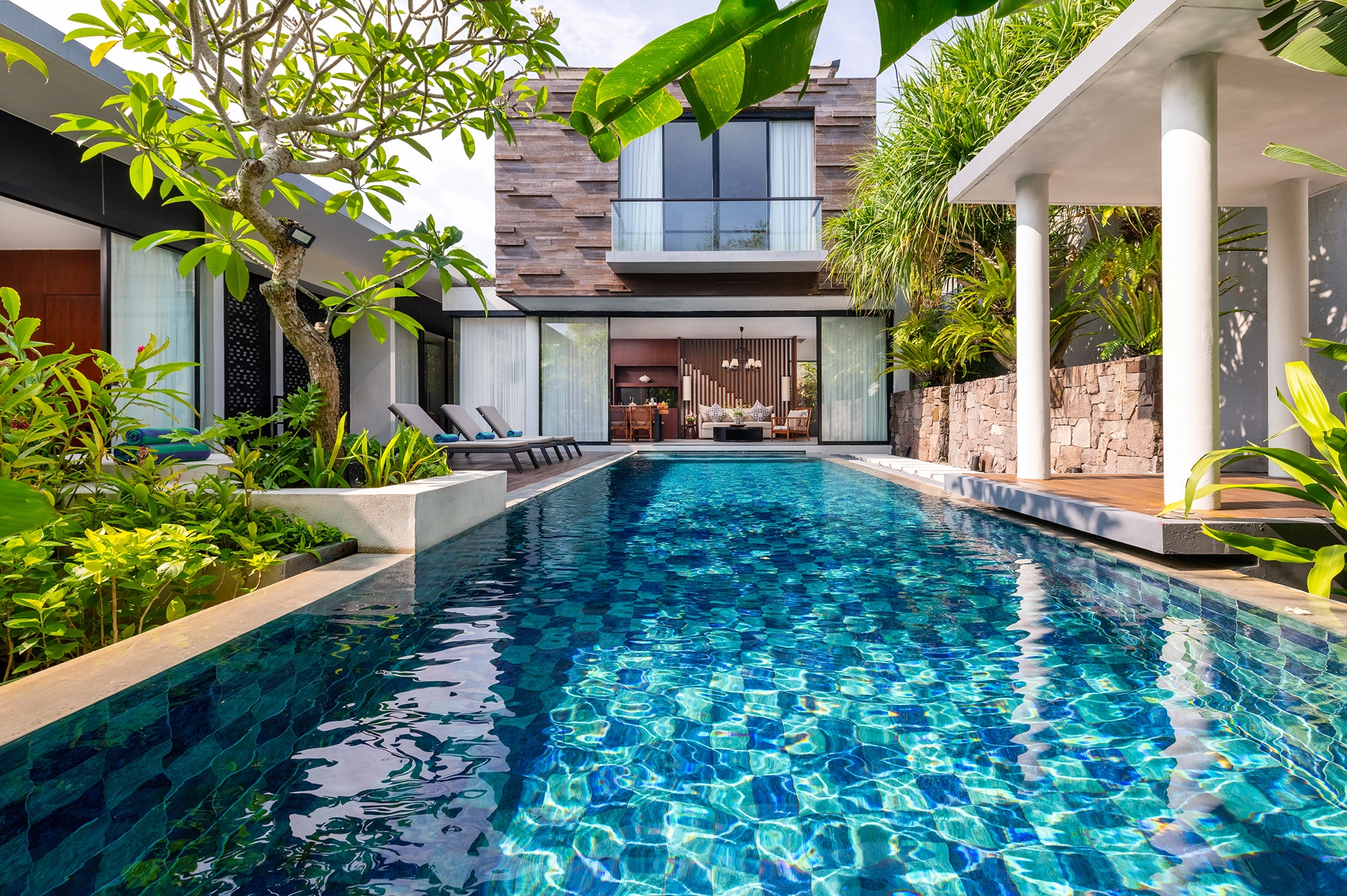
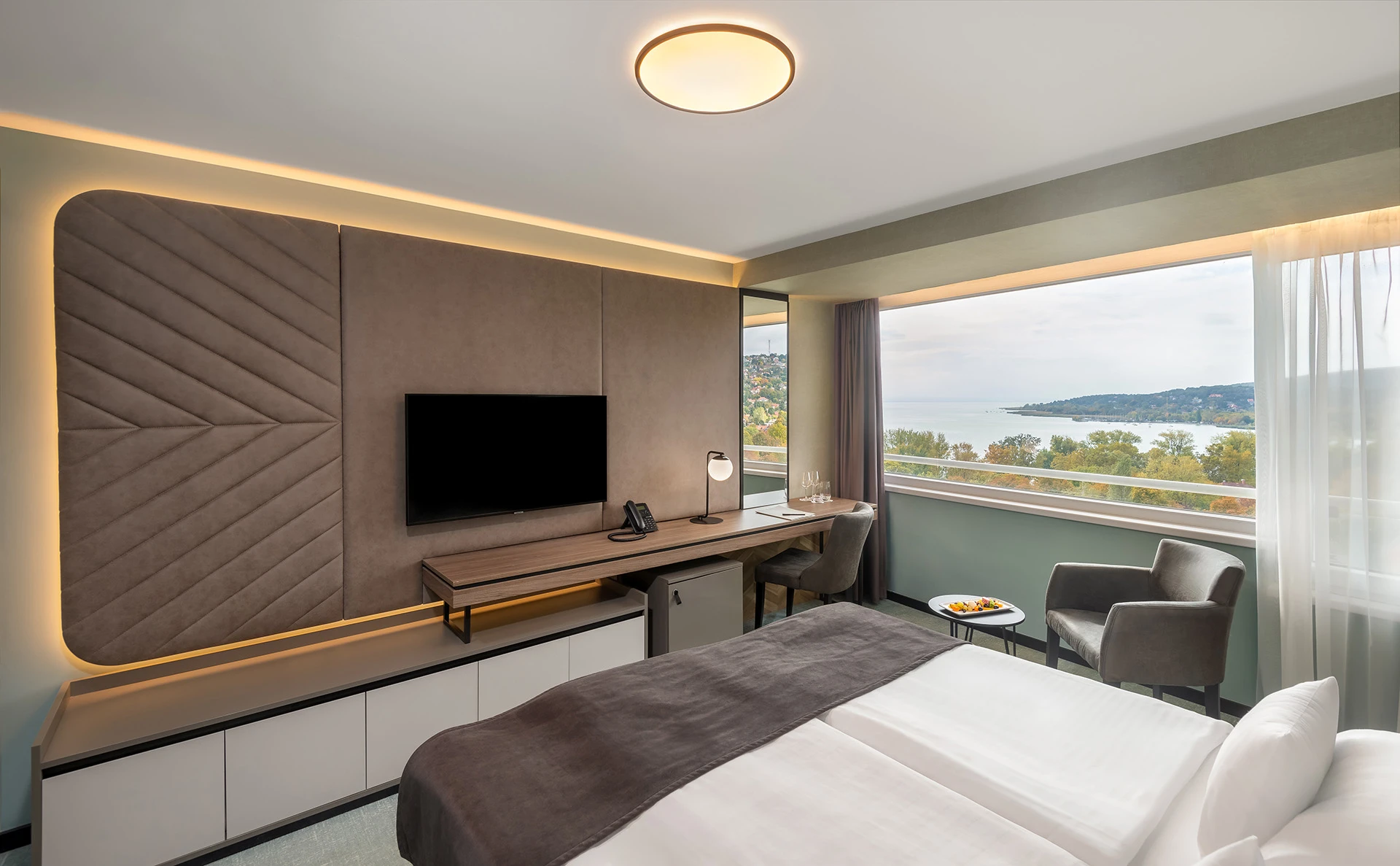
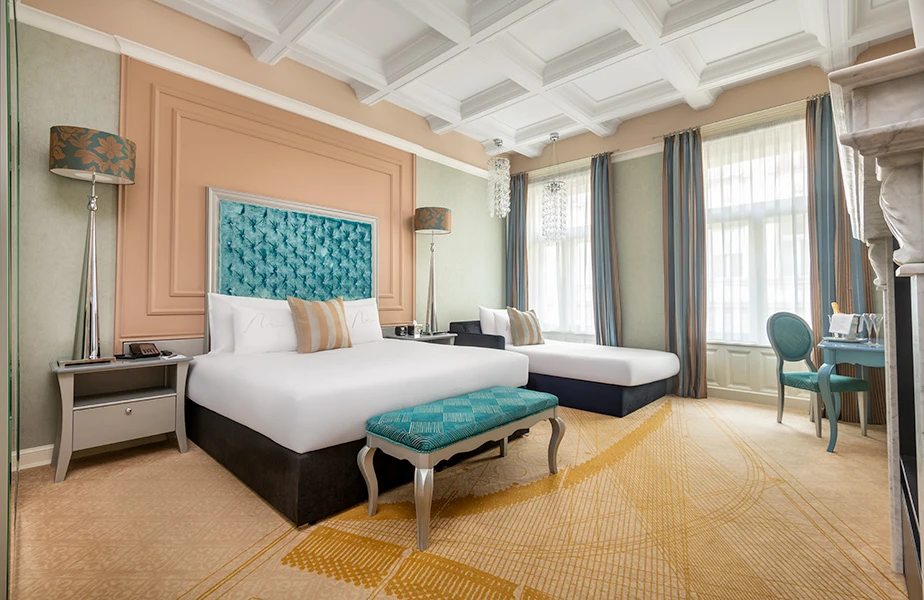
Good example of hotel photography – modern hotel room with elegant design and panoramic view.

Conclusion

Professional hotel photography is more than decoration — it’s a strategic investment. The hidden cost of poor photography isn’t just aesthetic; it’s lost revenue, damage to trust, and unnecessary marketing expenditure. High-end images ensure your property stands out, builds confidence, and turns browsers into confirmed bookings.

Share the Post:

Related Posts

Stay inspired!

Receive the latest photography tips, trends, and exclusive offers straight to your inbox.

*You can unsubscribe anytime. For more details, review our Privacy Policy.

All Rights Reserved © 2025​ | Zoltan Gali

All Rights Reserved © 2025​ | Zoltan Gali